
Picking
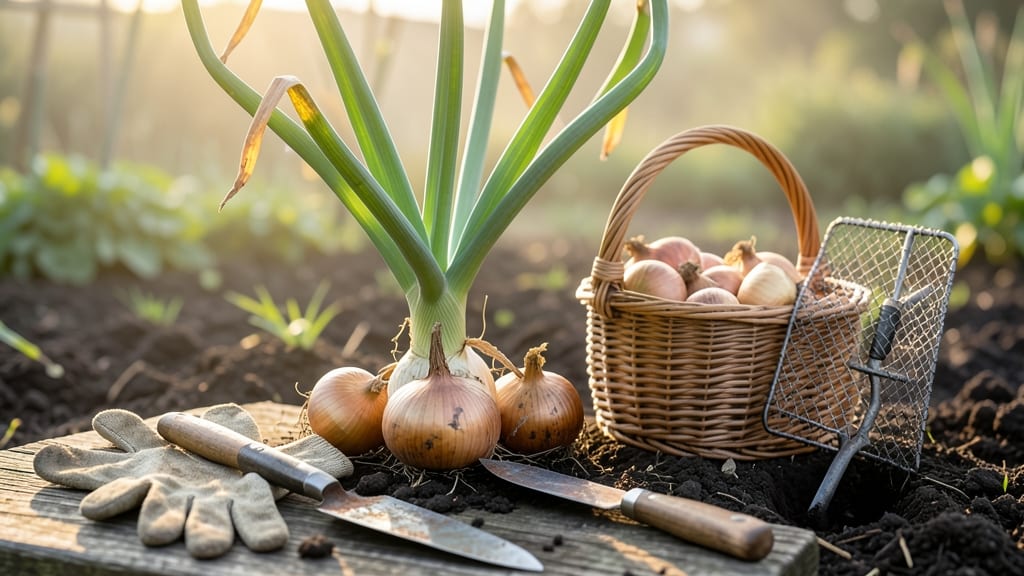
Harvesting onions in Texas at the right time means the difference between a bold, sweet bulb and a bitter, pungent disappointment.
Texas gardeners know timing is everything—and harvesting onions at the wrong moment can mean bland bulbs instead of bold, sweet flavors. Mastering the right soil cues could save your crop from bitterness or spoilage, ensuring a harvest that rivals store-bought quality.
The key is watching for three critical signs that your 🧅 onions are ready: when the tops yellow and fall over, when the bulbs feel firm to the touch, and when the neck begins to shrink.
But Texas’s heat and humidity can speed up or slow down these signals, so we’ll break down exactly what to look for—and when to act.
In this guide, you’ll learn how to check your onions the right way, when to pull them for peak flavor, and how to store them so they last all winter. No more guessing—just perfectly timed harvests every season.
Top 3 soil conditions that signal perfect onion harvest time in Texas
Harvesting onions in Texas isn't just about counting days—it's about reading your soil. The Lone Star State's intense heat and humidity can trick even experienced gardeners into picking onions too early or too late. When bulbs mature under these conditions, they develop bitterness or shrivel before reaching peak flavor.
I've learned that paying attention to three key soil-based cues can mean the difference between store-quality onions and disappointing harvests.
First, let's talk about bulb size. Texas onions need to reach their full genetic potential before harvest. For varieties like Texas Early White, bulbs should be about 2-3 inches in diameter.
Smaller bulbs won't store well and often taste mild. The soil should feel firm when pressed near the base—this indicates the plant has stopped actively growing and is redirecting energy to bulb development.
Next, watch for neck shrinkage. As onions mature, the tops will begin to yellow and fall over. But the real tell is the stem neck just above the bulb. When it starts to shrink and dry, that's your signal.
In Texas's heat, this process happens faster than in cooler climates, so don't wait too long or the bulbs may split in the soil from overmaturity.
Here's where most Texas gardeners go wrong—they focus only on the tops. The soil surface around your onions holds critical clues too. When the tops fall over and the soil beneath them appears dry and cracked, it's often time to harvest.
This dryness indicates the plant has finished its water uptake cycle, which is essential for proper curing before storage.
The third critical condition is leaf color. In Texas's heat, onion tops will yellow and eventually brown. But don't rush—wait until about 50% of the leaves have turned brown with crispy tips. This indicates the bulb has fully matured and will store best.
The key here is balance: if you harvest too early, the bulbs won't store; if you wait too long, they'll rot in the ground from Texas's frequent summer rains.
Texas's humidity levels complicate things further. Unlike drier climates, our air can cause onions to rot before they're ready. That's why I always check for firm bulbs when I see the tops falling.
Press gently—if the bulb feels soft, it's overripe. The soil should also be well-draining; if it stays soggy after rains, your onions may develop fungal issues before harvest.
One trick I've learned from local farmers is to harvest in the morning when the soil is cooler. This prevents the bulbs from heating up too quickly, which can accelerate spoilage. After lifting, I let them cure in the shade for 2-3 days.
This drying process is crucial for storage—skipping it means your onions won't last beyond a few weeks, even in Texas's coolest months.
For Texas Granex onions (the sweet, mild varieties), timing is even more critical. These need to be harvested when the tops fall over completely, but before the bulbs start splitting. The soil around them often becomes rock-hard from the intense heat, which is another sign they're ready.
I've found that using a garden fork makes lifting these tough bulbs easier without damaging them.
Remember, Texas's long growing season means you might get two harvests in some years. Spring-planted onions typically mature by early summer, while fall plantings can be ready by late October.
The key is to stay consistent with your soil checks—don't rely on a calendar. Your onions will tell you when they're ready through these three simple soil signals.
Pro tip: Keep a harvest journal to track when your onions reach these conditions. Over time, you'll notice patterns based on your specific Texas location. For example, onions in East Texas might mature a week earlier than those in West Texas due to humidity differences.
Documenting these details will help you refine your timing each season.
Texas-specific harvest timing: green vs. bulb onions and climate zones
Texas gardeners face unique challenges when harvesting onions due to our long growing seasons and variable climate zones. Unlike northern regions, Texas can grow both green onions (cut-and-come-again) and bulb onions year-round with proper timing.
The key difference lies in when you harvest them—green onions thrive with frequent cuts, while bulbs need patience for full maturity. Let’s break down the exact timing for each type and how Texas heat affects your harvest window.
For green onions, you can start harvesting as soon as they reach 6-8 inches tall, typically 45-60 days after planting. These are perfect for cut-and-come-again harvesting, meaning you can snip the outer leaves and let the plant regrow.
In Texas, this method works well in spring and fall, avoiding the brutal summer heat that can stress the plants. For bulb onions, timing is everything—harvest too early, and you’ll get small, pungent bulbs; wait too long, and they’ll bolt or spoil in the heat.
🌱 Texas Onion Harvest Timeline
- 📅 Spring Planting: Start seeds or sets in January-February for fall harvest. Use Texas Early White varieties for heat tolerance.
- 🌱 Green Onions: Harvest 45-60 days after planting by snipping leaves 1-2 inches above soil. Avoid cutting more than 1/3 of the plant at once.
- ☀️ Summer Heat: Shift to fall planting (August-September) to avoid bolting. Water deeply in early morning to prevent stress.
- 🧅 Bulb Onions: Harvest when tops yellow and fall over (typically 90-120 days after planting). Pull in October-November before first frost.
- ❄️ Winter Storage: Cure bulbs in dry shade for 1-2 weeks before storing. Texas’s mild winters allow for year-round storage if kept cool and dry.
Texas’s climate zones play a huge role in harvest timing. In North Texas (Zones 7-8), you can plant onions in early spring and late summer, avoiding the extreme heat of July-August.
Meanwhile, South Texas (Zones 9-10) can grow onions almost year-round, but summer planting requires shade cloth to prevent bolting. The key is to adjust your planting schedule so bulbs mature before the heat peaks.
Bolting is a major concern in Texas, especially in spring and fall. Onions bolt when they sense long daylight hours or temperature fluctuations. To prevent this, choose short-day varieties like Yellow Granex or Texas Super Sweet, which are bred for Texas’s climate.
Also, avoid planting too early in spring—wait until February-March to give plants time to mature before the heat sets in.
For green onions, the secret to success is consistent harvesting. Snip leaves every 2-3 weeks and fertilize lightly with compost tea to encourage regrowth. In contrast, bulb onions need full maturity—don’t rush the harvest!
Wait until the neck shrinks and the skin papery before pulling. In Texas, this usually happens in late fall, just before the first frost.
Once harvested, cure your bulbs in a well-ventilated area for 1-2 weeks to develop a protective skin. Store them in a cool, dry place (like a mesh bag) to prevent spoilage. With Texas’s mild winters, you can enjoy homegrown onions well into spring, making the effort worthwhile.