
How To
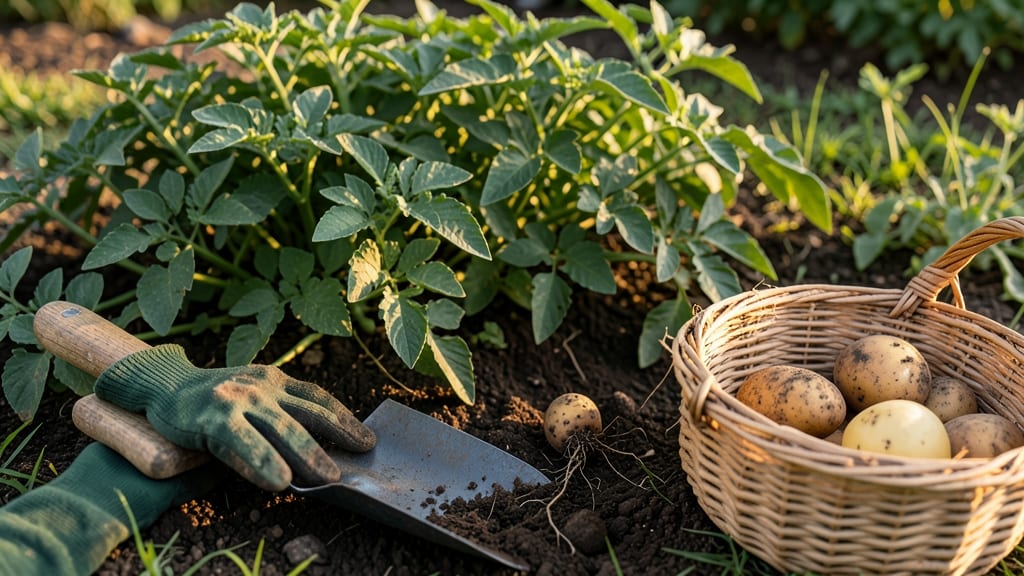
Harvesting potatoes in Michigan at the right time means the difference between creamy, buttery spuds and tough, starchy leftovers.
Michigan gardeners know that timing is everything when it comes to harvesting potatoes—and getting it wrong can mean the difference between creamy, flavorful spuds and tough, mealy disappointments.
Don’t rely on a calendar—soil temperature and plant signals are your true guides. When your 🥔 plants start wilting or the flowers fade, it’s time to dig, but the real secret lies in the dirt’s warmth.
In this guide, you’ll learn the exact soil temperatures to watch for, how to spot ready tubers, and how to cure them for storage that lasts all winter—no guesswork, just Michigan-proven results.
Michigan potato harvest timeline based on soil temperature and variety
Timing your potato harvest in Michigan isn’t just about checking a calendar—it’s about reading your soil temperature and knowing your potato variety. Michigan’s Zone 5b-6b climate means soil warms slowly, and harvesting too early or late can ruin your crop.
New potatoes thrive in 55°F-65°F soil, while mature potatoes need 70°F+ for peak flavor and storage potential.
Early varieties like Yukon Gold or Red Pontiac mature faster (around 90 days), while late-season types like Kennebec or Russet take 110-120 days. Planting in early May (after last frost) gives you a July-September harvest window, but soil conditions often dictate the exact moment.
Here’s how to align your harvest with Michigan’s soil temperature triggers and variety maturity:
| Potato Type | Soil Temp Trigger | Michigan Harvest Window | Days to Maturity | Best For |
|---|---|---|---|---|
| New Potatoes (Early Harvest) | 55°F–65°F | Late June–Early July | 60–80 days | Quick meals, salads |
| Early Varieties (Yukon Gold, Red Pontiac) | 60°F–70°F | Mid-July–Early August | 90–100 days | Boiling, roasting, storage |
| Maincrop (Kennebec, Russet) | 70°F+ | Late August–September | 110–120 days | Long-term storage, frying |
| Late Varieties (Purple Viking, Fingerlings) | 70°F+ (extend into fall) | September–Early October (before frost) | 120+ days | Specialty markets, extended storage |
For new potatoes, dig when tubers are 1-2 inches in diameter and soil hits 55°F-65°F. Use a fork or hand trowel to avoid damaging small tubers. Early varieties like Red LaSoda or Adirondack Red are perfect for this—harvest them in late June for tender, waxy spuds.
Mature potatoes, however, need warmer soil (70°F+) to develop thick skins and high starch content. Wait until foliage yellows and dies back (usually late August–September in Michigan). Late varieties like Kennebec or Russet Burbank store best when harvested at this stage.
Michigan’s first frost risk (around October 15) is your deadline for late varieties. If frost threatens, harvest before leaves die completely—even if tubers aren’t fully mature. Cure them in a dark, humid space (50–60°F) for 2–3 weeks to toughen skins and improve storage life.
Pro tip: Test soil temperature with a soil thermometer (insert 4 inches deep) in the morning. If it’s below 55°F, wait—cold soil slows tuber development. For organic gardeners, mulch with straw or leaves to insulate soil and speed up warming.
Don’t overlook regional microclimates in Michigan. Southern areas (like Detroit or Kalamazoo) may harvest 1–2 weeks earlier than northern zones (like Traverse City or Marquette). Adjust your timeline based on your last frost date and local weather patterns.
Harvesting at the right time ensures flavorful, storable potatoes—not tough or sprouted rejects. Use this soil temperature guide as your roadmap, and your Michigan garden will reward you with a bountiful, delicious harvest.
Signs your Michigan potatoes are ready to harvest (beyond the calendar)
Counting days after planting is helpful, but Michigan's variable climate means relying on a calendar alone can lead to missed harvest windows. Instead, focus on visual and tactile cues your potato plants give you.
These signs—like leaf yellowing or flower wilting—are nature's way of telling you it's time to dig. Ignoring them can result in potatoes that are either underdeveloped or overripe, both of which ruin the texture and flavor you've worked so hard to cultivate.
One of the first clues is the appearance of flowers on your potato plants. When those delicate blooms start to open, it’s often a signal that new potatoes (small, tender tubers) are ready to harvest.
However, waiting until the flowers wilt and die back ensures you're harvesting mature potatoes at their peak. This transition from bloom to decline is a critical window—miss it, and you might end up with potatoes that are tough and woody.
Here’s the key takeaway you need to know before digging:
Harvest-Ready Potatoes Checklist
- ✅ Foliage turns yellow and begins to die back
- ✅ Flowers wilt and drop off the plant
- ✅ Tubers resist pressure when gently squeezed (skin feels tough)
- ✅ Soil is dry 1-2 inches below the surface
Pro Tip: Dig a test tuber to check size—aim for 2-3 inches in diameter for mature potatoes.
Don’t overlook the condition of the soil around your potato plants. When the top 1-2 inches of soil feel dry to the touch, it’s often a sign that the tubers have stopped growing and are ready to be harvested.
This dryness indicates that the plant has redirected its energy from growth to storage, ensuring your potatoes are fully developed. However, if the soil is still moist, wait a few more days—digging too soon can leave tubers underdeveloped and prone to damage.
Michigan gardeners often make the mistake of waiting too long after the foliage dies back, thinking they need to give the potatoes more time. But once the leaves turn brown and crispy, the tubers have already reached their peak size.
Waiting longer can lead to shriveling or cracking as they lose moisture. Similarly, harvesting too early—when the tubers are still small and rubbery—results in potatoes that lack flavor and starch. Balance is key!
Another critical cue is the skin toughness of the tubers. Gently squeeze a potato—if the skin resists your thumbnail and feels firm, it’s ready. If it’s still soft or easily pierced, give it more time.
This tactile test is especially useful for early-season varieties, which mature faster than their late-season counterparts. For example, Yukon Golds might be ready in 90 days, while Russets could take up to 120 days.
Finally, keep an eye on the weather forecast, especially in Michigan where early frosts can sneak up. If a hard frost is predicted within the next week, harvest your potatoes immediately—even if they’re not perfectly mature.
While slightly underripe potatoes won’t reach their full potential, they’re still better than frozen or rotted tubers. Store them in a cool, dark place (like a root cellar or basement) to finish curing and develop their full flavor over time.