
How To
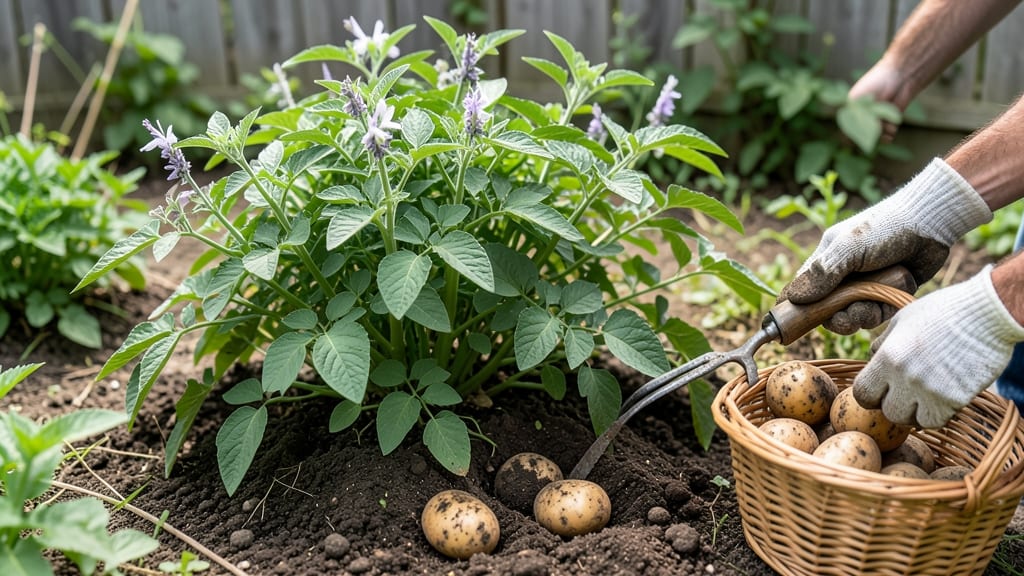
Harvesting potatoes in Ohio at the right time ensures perfect flavor and storage life, and the key is knowing when soil temperatures and plant signals align.
Ohio gardeners know timing is everything—harvest too early, and you’ll miss out on flavor and yield; too late, and you risk shriveling tubers. Mastering the soil temperature triggers and plant signals can mean the difference between a bumper crop and wasted effort.
For Ohio’s 6a zone, aim for late summer to early fall when soil temps drop to 50–60°F and foliage yellows. Early varieties may be ready by July, while late ones wait until September.
Below, I’ll walk you through how to test readiness—digging small samples, checking tuber size, and avoiding common mistakes that ruin your harvest before it even begins.
Ohio potato harvest timing: soil temperature and plant signals to watch
Timing your potato harvest in Ohio can feel like solving a puzzle, but the clues are right in front of you—literally in your soil temperature and plant signals. The difference between a perfect harvest and wasted effort often comes down to knowing when to dig.
In Ohio's USDA Zone 6a, where summers are warm but winters can be harsh, understanding these triggers ensures you don’t miss the window.
Most Ohio gardeners aim to harvest between late July and early September, but this can shift slightly based on your variety and planting date. Early varieties might be ready by mid-July, while late-season potatoes could linger until frost threatens.
The key is to watch for soil temperatures dropping toward 50-60°F and foliage signals that scream "dig me now!"
| Harvest Trigger | Northern Ohio (Zones 5b-6a) | Southern Ohio (Zones 6b-7a) | Action |
|---|---|---|---|
| Soil Temperature | 50-55°F (late August) | 55-60°F (early September) | Test with soil thermometer; harvest when temps drop |
| Flower Stage | Flowers faded, stems brown | Flowers wilted, leaves yellow | Dig when 70-80% of foliage dies back |
| Frost Risk | Mid-October | Late October | Harvest 2-3 weeks before first frost |
| Tuber Readiness | Skin tough, stems dry | Firm skin, no green | Dig a test tuber; harvest if fully formed |
Northern Ohio gardeners in Zones 5b-6a should prioritize soil temperatures around 50-55°F, which typically arrives in late August. This cooler climate means potatoes mature slightly earlier, and the risk of early frost looms closer.
If you planted early varieties like 'Yukon Gold', you might harvest as early as mid-July, but most gardeners wait until August to ensure full maturity.
Southern Ohio, with its warmer microclimates (Zones 6b-7a), offers a slightly extended window. Here, soil temps of 55-60°F signal harvest time, usually in early September.
Varieties like 'Kennebec' or 'Russet' thrive here and can wait longer, but don’t push it—humidity levels rise in late summer, increasing the risk of disease if you delay too long.
One of the most reliable plant signals is the flower wilting and foliage yellowing. When about 70-80% of your potato plants show these signs, it’s time to grab your garden fork. The lower leaves will turn yellow first, followed by the stems browning.
This dieback indicates the plant is redirecting energy to the tubers, which are now fully formed and ready for harvest.
Don’t ignore the stem ends on your potatoes—they’re a dead giveaway. If the stem ends are brown and dry, your tubers are mature. If they’re still green, hold off for another week.
This simple check can save you from digging too early and missing out on larger, flavorful potatoes. Pro tip: Dig up a test tuber if you’re unsure—if it’s fully formed with tough skin, it’s harvest time!
Ohio’s humid climate can also play tricks on your harvest timing. If you notice excessive rain or high humidity in late summer, consider harvesting slightly earlier to avoid tuber rot. Conversely, if your summer was dry, your potatoes might need a bit more time to reach full size.
Always keep an eye on the weather forecast and adjust your harvest plan accordingly.
For second-crop potatoes planted in early summer, the timing shifts
Step-by-step guide: how to test potato readiness in Ohio’s climate
Ohio’s variable climate makes timing your potato harvest tricky—too early, and you’ll get small, underdeveloped tubers; too late, and you risk shriveling or disease. The key is combining soil temperature checks with visual cues from your plants.
Start by monitoring these three critical signals to avoid common mistakes like harvesting second-crop potatoes too soon.
Begin testing readiness when your potato plants flower and start wilting. This usually happens 70-90 days after planting, but Ohio’s northern zones (6a) may need an extra week or two.
Use a soil thermometer to confirm temperatures—ideal harvest temps range between 50-60°F at a 6-inch depth. This consistency signals tubers are fully formed and ready to dig.
How to Test Potato Readiness
-
Step 1: Check foliage color
Look for yellowing lower leaves and browning stems. This indicates the plant is redirecting energy to the tubers, a key sign of readiness.
-
Step 2: Test soil temperature
Use a soil thermometer at 6-inch depth. Ideal temps are 50-60°F—consistent readings in this range mean tubers are mature.
-
Step 3: Perform a ‘dig-and-check’
Gently dig up one hill and inspect tubers. Ready potatoes have firm skin and brown stem ends—never green stems (a sign of immaturity).
-
Step 4: Assess tuber size
Tubers should be baseball-sized or larger. Smaller potatoes mean more time in the ground, but wait too long, and they’ll sprout or shrivel.
-
Step 5: Time your harvest
For Ohio’s climate, aim to harvest late July to early September. Northern Ohio may need to wait until mid-September to avoid early frost risks.
Pro Tip: If you’re growing second-crop potatoes, plant them after June 15 to ensure harvest before first frost (mid-October).
For second-crop potatoes, planted after early June, adjust your timing to avoid fall frost. These varieties mature faster (about 60-70 days), so start checking readiness in late August.
If your plants show early signs of frost damage (blackened leaves), harvest immediately—even if tubers aren’t fully sized—to salvage your crop.
After harvesting, let tubers cure in the sun for a few hours to toughen their skin before storing. Choose a cool, dark place (45-50°F) with high humidity to prevent sprouting. Ohio’s humid summers make proper curing especially critical—skipping this step can lead to rot or premature sprouting.
Remember, patience pays off—rushing the harvest means smaller, less flavorful potatoes, while waiting too long risks disease or frost damage.
By combining soil temperature checks, foliage signals, and the dig-and-check method, you’ll nail the perfect harvest window every time in Ohio’s unpredictable climate. 🥔