
How To
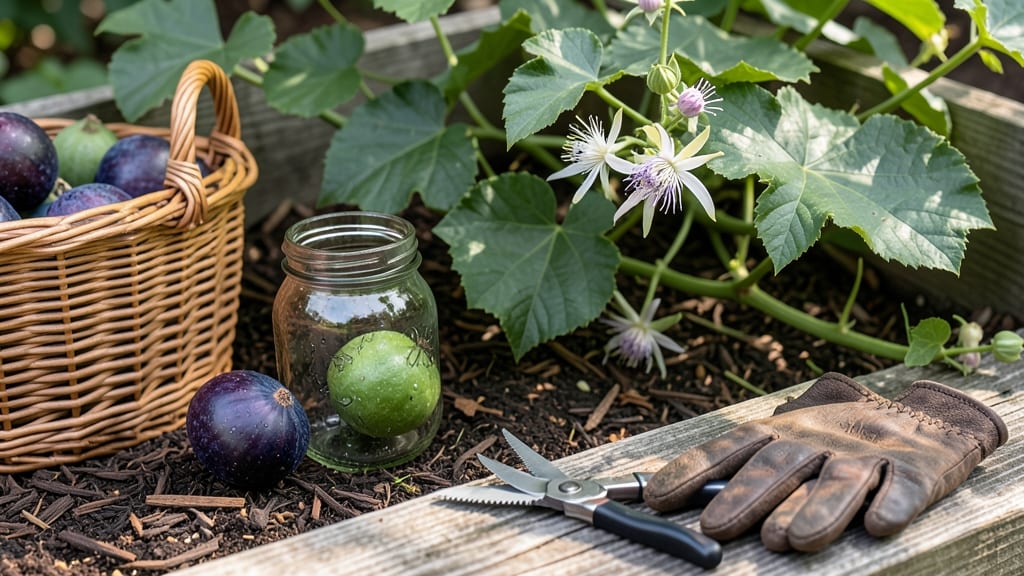
Harvesting passionfruit at the right time means the difference between juicy, sweet rewards and bitter, underripe disappointment—so timing is everything.
Picture this: you’ve waited 12-18 months for your vine to produce those vibrant 🍈 fruits, only to pick them too soon and end up with a mealy, flavorless mess.
The key? Watching for the perfect color shift, seed maturity, and a few other telltale signs that your passionfruit is ready to be plucked.
In this guide, I’ll break down the exact visual cues—from purple to yellow varieties—and the simple seed test that guarantees peak ripeness. Whether you’re growing in Zone 10-12 or a container in a warmer climate, you’ll know exactly when to reach for those pruners.
By the end, you’ll avoid the most common mistakes (like harvesting based on size alone) and learn how to test for sweetness before it even hits the kitchen. Let’s get those fruits at their best!
How to identify passionfruit ripeness by color and size
Passionfruit ripeness isn’t just about waiting for color changes—it’s a visual and tactile science. The perfect harvest window is when the fruit balances sweetness with just enough tartness, and missing it means bitter, underripe fruit or overripe mush.
I’ve learned the hard way that color alone isn’t enough—you’ll also need to check size, firmness, and even the seeds inside.
Most gardeners focus on fruit color first, but the variety matters. Purple passionfruit (Passiflora edulis) turns deep purple when ripe, while yellow varieties (Passiflora edulis flavicarpa) develop a golden hue with green shoulders.
Red passionfruit (Passiflora edulis f. flavicarpa) stays green until fully ripe, then shifts to a bright red blush. Even within varieties, sunlight exposure speeds up or slows down ripening—shady vines take longer to color up.
Size is your next clue: ripe passionfruit typically measure 2-3 inches in diameter, though some heirloom varieties can grow larger.
A smaller fruit (under 2 inches) is almost always underripe, while oversized fruit may be past its prime. Weight matters too—ripe fruit feels heavier for its size because the pulp develops fully.
I once picked a fruit that looked perfect but was hollow inside because it overripened on the vine.
Now, let’s talk about the color spectrum. Unripe passionfruit is solid green with no hints of maturity.
As it ripens, you’ll see color shifts like these: - Purple varieties: Deep purple with no green patches - Yellow varieties: Golden yellow with slight green shoulders - Red varieties: Bright red with a slight sheen A mixed color (e.g., green and purple) means it’s still developing.
Here’s where most gardeners go wrong: they rely only on color. But a fruit can look ripe while still being hard and seedy, or appear unripe when it’s actually perfect.
That’s why you need to press gently—ripe passionfruit yields slightly to thumb pressure, like a soft tennis ball. If it’s rock-hard, it’s not ready; if it’s mushy, it’s overripe. Stem detachment is another trick: ripe fruit separates cleanly from the vine with a slight twist.
| Ripeness Sign | Unripe Fruit | Ripe Fruit | Overripe Fruit |
|---|---|---|---|
| Color | Solid green (purple/yellow/red varieties) | Deep purple/yellow/red (no green) | Dull, wrinkled, or split skin |
| Size | Under 2 inches in diameter | 2-3 inches (heavy for size) | Larger than 3 inches (soft/wrinkled) |
| Firmness | Rock-hard (no give) | Slightly soft (yields to thumb) | Mushy or leaking pulp |
| Stem Detachment | Stays attached (tight) | Twists off cleanly | Falls off easily (rotting) |
| Seeds (Cut Test) | Black or dark brown | Translucent white/yellow | Brown and shriveled |
Environmental factors like sunlight and temperature play a huge role in ripening speed. Passionfruit vines in full sun (6+ hours daily) ripen faster—sometimes in as little as 6-8 weeks after flowering. But if your vine is in partial shade, it may take 10-12 weeks or longer.
I once grew passionfruit under a dappled oak tree and had to wait nearly 3 months for the first ripe fruit, even though the flowers looked healthy.
Cooler temperatures also slow ripening. In subtropical zones (USDA 9b-10), fruit may take longer to color up, especially in spring or fall. If you’re in a tropical climate (Zones 11-12), ripening happens year-round, but drought stress can stunt fruit development.
Always check for consistent moisture—deep watering 2-3 times per week keeps vines productive and fruit plump.
Pro tip: Harvest in the morning when temperatures are coolest. This preserves the fruit’s sweetness and texture longer. Store ripe passion
The seed maturity test: 3 simple methods to confirm harvest readiness
Passionfruit ripeness isn't just about color—it's about internal maturity. The seed maturity test is my go-to method because it reveals what you can't see from the outside. When seeds turn translucent and the pulp becomes jelly-like, that's your cue to harvest.
This simple test eliminates guesswork and ensures you pick fruit at its peak flavor and texture.
Before slicing open every fruit to check, try these three non-destructive methods first. The first two—fruit firmness and stem detachment—give you quick visual and tactile clues. But for absolute certainty, the seed test is the gold standard.
I've learned the hard way that harvesting too early (when seeds are still hard) leads to bitter, underripe fruit that's barely edible.
- 1. The Seed Test: Cut open the fruit lengthwise. If the seeds appear translucent and the surrounding pulp is jelly-like, it's ready. Opaque seeds mean more time on the vine.
- 2. Fruit Firmness: Gently press the fruit with your thumb. It should feel slightly soft (like a ripe avocado) but not mushy. Hard fruit is underripe; overly soft fruit may be overripe.
- 3. Stem Detachment: Grasp the fruit's stem and twist gently. If it detaches easily from the vine, it's ready. A stubborn stem means it needs more time.
For purple passionfruit, aim for a deep purple hue with translucent seeds. Yellow varieties should turn golden-yellow with a slight give when pressed. I always test 2-3 fruits from different vines to account for variability in ripening times.
Pro tip: Harvest in the morning when temperatures are cooler to preserve freshness.
Common mistakes include harvesting based on color alone or assuming all fruit on a vine ripens simultaneously. Environmental factors like temperature fluctuations or water stress can delay ripening.
That's why I recommend checking seeds—it's the most reliable indicator across all growing conditions. Overripe fruit becomes mealy and loses its vibrant flavor.
Once you've confirmed maturity, harvest carefully using clean pruners or scissors to avoid damaging the vine. Store ripe passionfruit in the fridge for up to 5 days, or eat them immediately for the best flavor.
The effort pays off with sweet, aromatic fruit that's perfect for juices, desserts, or fresh eating.
Remember: Patience is key. Passionfruit won't ripen further after picking, so wait for the seeds to tell you it's time. With these methods, you'll never waste another underripe fruit again—just pure, delicious passionfruit at its best. 🍈