
Vegetables
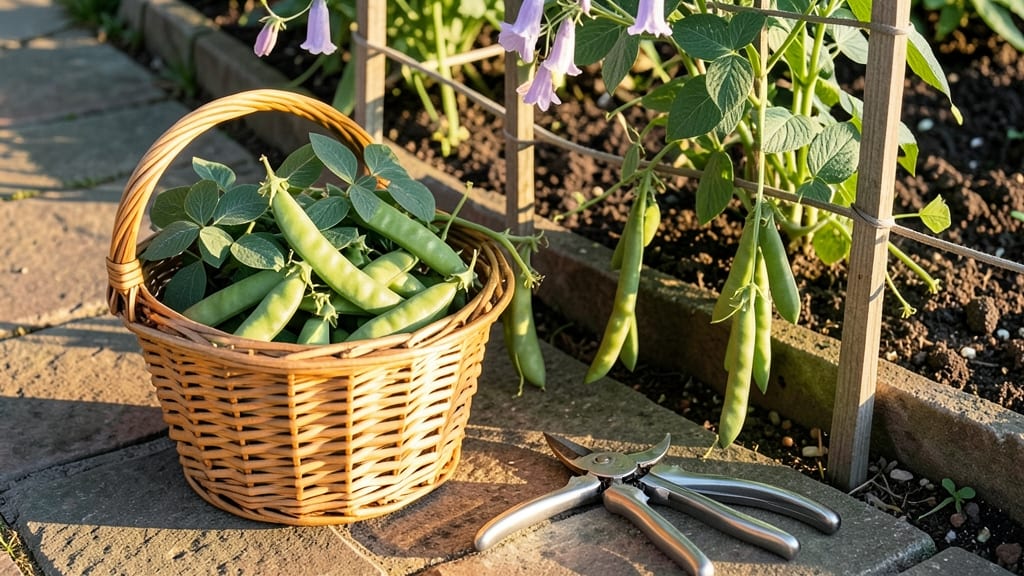
Harvesting peas at the right time ensures they’re sweet, tender, and packed with flavor—wait too long, and you’ll end up with tough, mealy pods that taste like nothing more than disappointment.
Peas are one of the first garden rewards you’ll taste, but timing their harvest is an art—pick too early, and you’ll miss the sweetness; too late, and they turn tough and mealy. Here’s how to master the perfect moment using simple, foolproof tests.
You don’t need a fancy toolkit—just your fingers, eyes, and a little patience. The key is checking for firmness, size, and color, all of which tell you whether your 🌱 peas are ready to be picked or still need time to mature.
Below, I’ll walk you through three tactile tests that guarantee you’ll never overcook or underpick your peas again, plus how to adjust for early vs. late varieties and regional growing conditions.
3 Tactile tests to determine pea ripeness before harvesting
Peas are delicate—harvest them too soon, and you’ll sacrifice sweetness; too late, and they become tough and fibrous. The key lies in your hands and eyes. Tactile tests reveal ripeness better than any calendar. I’ve relied on these three methods for years to ensure peak flavor in every pod.
First, understand that peas mature rapidly—sometimes within 24 hours. Checking daily is ideal, especially during peak harvest season. The good news? You don’t need fancy tools—just your fingers, a little sunlight, and a keen eye. These tests work for shelling peas, snap peas, and snow peas alike.
Let’s start with the most reliable indicator: pod firmness. A ripe pea pod should feel slightly plump but not rock-hard. Gently squeeze—if it yields just a bit under pressure, it’s ready.
Overripe pods feel leathery or hollow, while underripe ones are still firm and tight. This tactile check is my go-to first step.
🌱
Squeeze gently—ripe pods yield slightly but don’t feel mushy. Overripe pods collapse when pressed.
Hold a pod between thumb and forefinger—ideal shells are 0.02-0.03 inches thick. Thinner = underripe; thicker = overripe.
Hold pod to light—seeds should be clearly visible but not fully swollen. Snow peas pass when flat and bright green.
The second test focuses on shell thickness. Pinch the pod between your thumb and forefinger—ideal thickness feels like a dime when held flat. If it’s thinner, the peas inside are still developing; if thicker, they’ve passed their prime.
This test is especially useful for shelling peas, where thick shells indicate overmaturity.
For visual confirmation, use the seed visibility test. Hold a pod up to sunlight or a bright window. Ripe peas should show distinct, firm seeds through the pod’s skin.
If seeds are barely visible, the pod needs more time. If they’re fully swollen and pressing against the shell, harvest immediately—these peas will turn starchy within hours.
Pro tip: Harvest in the morning when pods are cool and crisp. This timing preserves sweetness and texture. Avoid harvesting after rain, as excess moisture can dilute flavor and make pods more prone to disease.
I’ve found that morning harvests also yield straighter, more uniform pods—perfect for market or meal prep.
One common mistake is relying solely on pod size. While most peas reach 2-2.5 inches at maturity, size alone isn’t enough. A pod can be the right length but still underripe or overripe. Always combine size with the tactile tests above for accuracy.
For sugar snap peas, look for pods that are bright green and slightly curved—these are typically ready when they’re about 2.5-3 inches long.
Regional differences can affect ripeness timing. In cooler climates, peas mature slower, so check pods 2-3 days earlier than the recommended harvest window. Conversely, in hotter regions, peas may ripen faster—sometimes in as few as 55 days.
Pay attention to your local growing season and adjust your checks accordingly.
Finally, don’t overlook the plant’s signals. Healthy pea plants produce new pods continuously. If you notice older pods drying on the vine while new ones form, it’s time to harvest aggressively. This ensures the plant redirects energy to producing more pods rather than letting them overripe.
With these three tactile tests, you’ll never second-guess when to harvest peas again. The combination of firmness, shell thickness, and seed visibility gives you a foolproof system. Happy harvesting—your garden’s sweetest rewards are just a pinch away! 🌿
Pea variety harvest times: when to pick sugar snaps vs. shelling vs. snow peas
Peas may look similar, but their harvest windows and ideal textures vary dramatically. Sugar snap peas, shelling peas, and snow peas each demand unique timing to avoid tough, fibrous pods or underripe flavor.
Understanding these differences ensures you enjoy crisp, sweet peas at their peak—whether you're snacking straight from the vine or shelling for salads.
Weather plays a critical role too. Cool spring temperatures (50–65°F) slow pea maturation, while hot summer heat can cause pods to toughen faster. Always check pods daily during peak harvest season—May to June for spring plantings—to catch them at the perfect moment.
Missing this window by even a few days turns sweet peas into bland, stringy disappointments.
| Pea Type | Harvest Window | Pod Size | Texture | Flavor Peak | Storage Tip |
|---|---|---|---|---|---|
| Sugar Snap Peas | 65–75 days | 2–2.5 inches | Crisp, sweet | Bright green, firm pods | Refrigerate 3–5 days |
| Shelling Peas | 60–70 days | 1.5–2 inches | Tender peas inside | Sweet peas, firm pods | Freeze pods for later |
| Snow Peas | 60–75 days | 2–3 inches | Flat, crisp | Flat pods, no peas | Use within 2 days |
For sugar snap peas, harvest when pods are bright green and crisp, about 2–2.5 inches long. Their sweetness peaks when the pod snaps cleanly—if it bends instead, it’s overripe. Shelling peas should have plump, rounded peas inside but still thin pods (easy to crush between fingers).
Overripe shelling peas shatter when squeezed, and the peas inside turn mealy.
Snow peas are trickiest—they’re ready when pods are flat and crisp, with no visible peas inside. Unlike other types, their flavor comes from the pod itself, not the seeds. Harvest them when they’re 2–3 inches long and snap like fresh asparagus. Wait too long, and they toughen into chewy sticks.
Weather affects ripeness too. Cool, cloudy days slow pea maturation, giving you extra time to harvest, while hot afternoons (above 80°F) can cause pods to toughen within hours. Always pick in the morning after dew dries—this ensures crispness and preserves sweetness.
Store harvested peas in the fridge for 3–5 days max, or freeze shelling peas for long-term use.
Pro tip: Harvest regularly—picking every 2–3 days encourages more production. If you miss the window, even by a day, peas lose sweetness and texture. Taste-test a few pods to confirm ripeness—your garden’s sweetest rewards come from timing, not luck.