
Picking
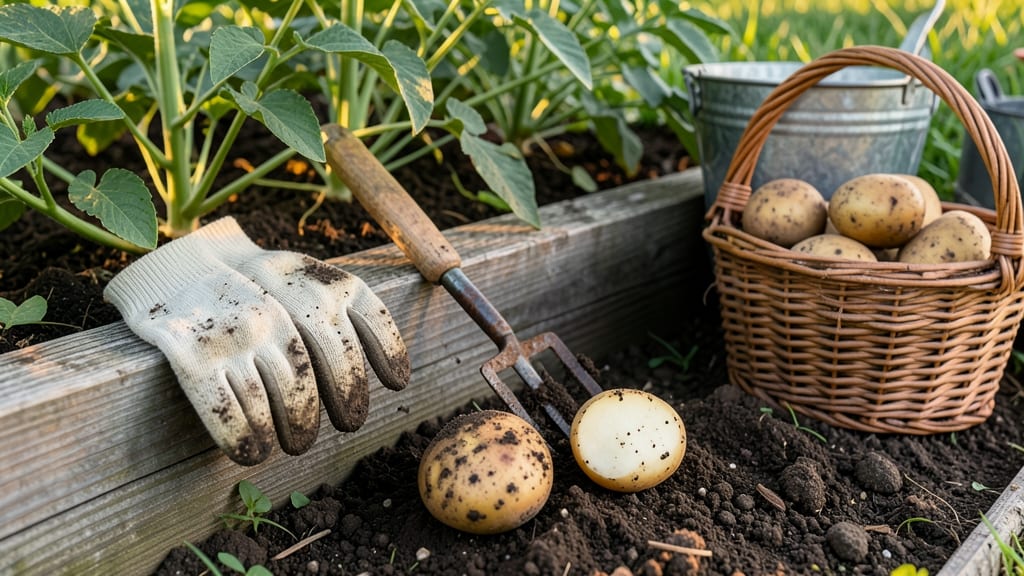
Harvest potatoes from your garden when the foliage yellows and dies back — a sure sign the tubers below are ready for digging 🥔.
Digging up potatoes too early leaves you with small, underdeveloped tubers, while waiting too long risks tough, woody skins. So timing your harvest is everything for perfect, fluffy spuds straight from the soil.
This guide breaks down the exact signs to watch for — from the finger-press test to variety-specific windows — so you never miss the sweet spot between 60 and 120 days after planting.
You’ll also learn how to adjust for your climate zone, salvage early mistakes, and store your harvest for months without spoilage.
How to tell when potatoes are ready for harvest using the finger-press test
Timing your potato harvest perfectly ensures you get the largest, firmest tubers with the best flavor. The finger-press test is my go-to method for determining when potatoes are ready—it’s simple, reliable, and works for all varieties.
Combine this test with visual cues like yellowing foliage and plant decline to avoid common mistakes like harvesting too early or too late.
Before diving into the test, know that early varieties (like 'Yukon Gold') mature in about 70-90 days, while late varieties (like 'Russet') need 100-120 days.
The finger-press test helps bridge the gap between these timelines, giving you a hands-on way to confirm readiness without guesswork. Let’s break it down step by step.
Step-by-Step Finger-Press Test
-
Step 1: Wait for foliage changes
Look for yellowing leaves and stems drying out. This usually happens 1-2 weeks before harvest and signals the plant is redirecting energy to the tubers. -
Step 2: Choose a sunny day
Pick a dry, sunny day to test. Wet soil can skew results, so avoid testing after rain. -
Step 3: Press gently near the stem
Use your thumbnail to press 1-2 inches into the soil, about 3-4 inches from the plant stem. Apply firm but gentle pressure. -
Step 4: Check tuber resistance
If the skin resists your thumbnail and feels firm, the potato is ready. If it gives way easily, wait 1-2 weeks and retest. -
Step 5: Confirm with tuber size
Dig up a test tuber to check size. Ideal potatoes are 2-3 inches in diameter for most varieties. If they’re smaller, wait longer.
Pro tip: For new potatoes, harvest when tubers are 1-2 inches wide and the plant is still green. These are perfect for quick cooking but won’t store long-term. For storage potatoes, wait until the plant is fully dead or mostly yellow—this ensures maximum size and shelf life.
Another visual cue to watch for is the stem snapping test. Gently bend the plant’s stem near the base. If it snaps easily, the tubers are likely ready.
This works best for late-season varieties like russets, which need more time to mature. Combine this with the finger-press test for extra accuracy.
Regional differences matter! In cooler climates (like USDA Zone 4), potatoes may take longer to mature due to shorter growing seasons. Conversely, in warmer zones (like Zone 8), foliage might die back faster. Adjust your harvest timeline based on your local climate and variety recommendations.
Once you’ve confirmed readiness, harvest on a dry day to prevent soil from clinging to the tubers. Use a garden fork to loosen the soil gently, then dig by hand to avoid damaging the potatoes.
Let them cure in the sun for 1-2 hours before storing to toughen the skin and improve storage life.
Avoid the temptation to harvest based solely on days after planting—weather and soil conditions play a huge role. For example, drought stress can trick plants into maturing faster, while excess moisture might delay it. Always rely on the finger-press test and visual cues for the most reliable results.
Remember, the goal is fluffy, earth-free tubers that store well and cook beautifully. With the finger-press test and these visual cues, you’ll never second-guess your harvest timing again. Happy digging! 🌱
Best harvest times by potato variety: early, mid-season, and late blossom types
Not all potatoes ripen at the same time, which is why knowing your variety type makes a huge difference in harvest timing. Early blossom varieties like red potatoes mature in just 60-70 days, while late varieties such as russets need 100-120 days to reach peak flavor.
Timing matters because harvesting too soon means small, starchy tubers, while waiting too long leads to woody textures and poor storage life.
For new potatoes, you can dig 2-3 weeks early when tubers are 1-2 inches wide, but for full-size potatoes, wait until the foliage yellows and dies back naturally. This signals the plant has redirected energy to the tubers, ensuring maximum yield and optimal texture.
Each variety has its own sweet spot, so let’s break it down by type.
| Variety Type | Days to Maturity | Best Harvest Time | Flavor & Texture | Storage Potential |
|---|---|---|---|---|
| Early Blossom (Red Potatoes) | 60-70 days | Late June - Early July | Waxy, mild, slightly sweet | Short-term (2-3 weeks) |
| Mid-Season (Yukon Golds) | 75-90 days | July - Early August | Buttery, creamy, rich | Medium-term (3-4 months) |
| Late Blossom (Russets) | 100-120 days | August - Early September | Fluffy, starchy, robust | Long-term (4-6 months) |
| Fingerlings (Early/Mid) | 65-85 days | Late June - Mid-August | Nutty, firm, versatile | Short-medium (2-3 months) |
Early varieties like red potatoes and fingerlings are perfect for new potato dishes or quick meals, while mid-season types such as Yukon Golds strike a balance between flavor and storage. Late varieties, including russets, are ideal for baking and long-term storage because their thick skins protect against rot. If you’re growing multiple types, plan to harvest them in stages for a continuous supply.
Harvesting at the right time also affects storage life. For example, russets can last 4-6 months in a cool, dark place, while red potatoes should be used within 2-3 weeks for the best results.
Always cure potatoes for 1-2 weeks in a warm (60-70°F), humid environment before storing to toughen the skin and extend shelf life.
Pro tip: If you’re unsure whether your potatoes are ready, perform the finger-press test—gently press the soil near the plant. If a 2-inch tuber pops up easily, it’s harvest time.
For late varieties, wait until the plant dies back completely to avoid missing out on larger yields. Timing is everything for perfect, fluffy potatoes straight from the garden! 🥔