
How To
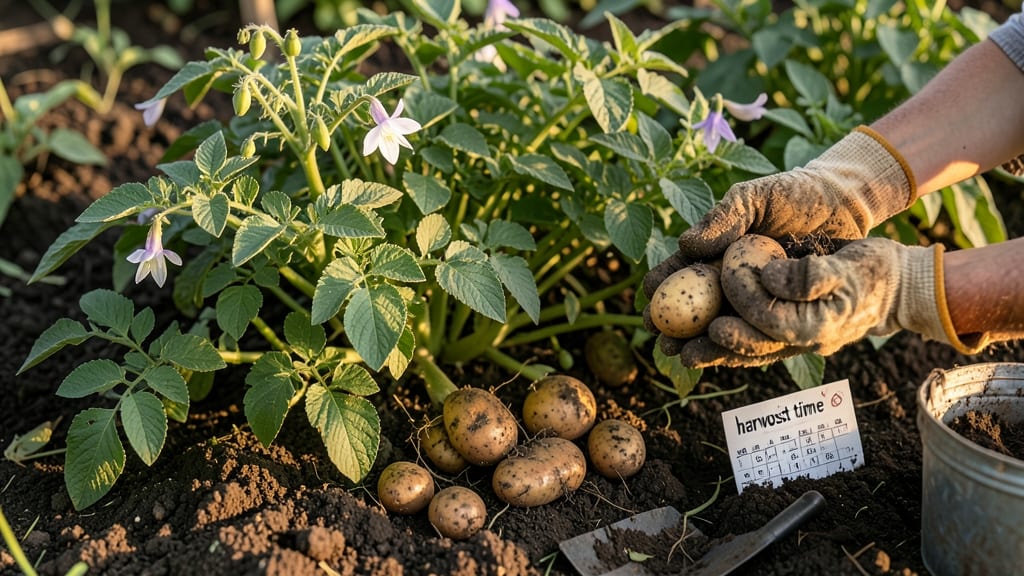
Harvesting potatoes in Idaho at the right time means the difference between tender, flavorful tubers and mealy, wasted spuds.
Picture this: you’ve nurtured your 🥔 plants all season, only to dig too early and find small, underdeveloped potatoes—or too late, and they’ve turned to mush. Idaho’s cool mountain climates and short growing season demand precision, not guesswork.
Most Idaho gardeners wait until the foliage yellows and dies back completely, but timing also depends on your variety. Early harvests (like new potatoes) can happen when tubers are firm but still small, while storage potatoes need full maturity before frost hits.
Below, I’ll break down the exact signals to watch for—from soil conditions to tuber firmness—plus how Idaho’s frost dates influence your harvest window. No more wasted effort, just perfect potatoes.
Idaho potato harvest timing: when to dig based on foliage & soil conditions
Harvesting potatoes in Idaho requires patience and attention to detail, as the cool mountain climates and variable frost dates create unique challenges. Unlike warmer regions, Idaho’s shorter growing season means timing your harvest based on foliage and soil conditions is critical to avoid mealy tubers or frost damage.
The key is watching for foliage yellowing and testing tuber firmness before the first frost hits.
Most Idaho-grown potatoes take 90-120 days to mature, depending on the variety. Early varieties like Yukon Gold or Red Pontiac can be harvested as early as July, while later varieties like Russet Burbank may need to stay in the ground until mid-September.
The exact timing depends on whether you’re harvesting for immediate use (new potatoes) or long-term storage.
Here’s a quick reference to help you determine the perfect harvest window based on foliage and soil conditions:
| Harvest Stage | Foliage Cues | Soil Conditions | Tuber Test | Idaho Timeline |
|---|---|---|---|---|
| New Potatoes | Green, healthy leaves | Warm, moist soil (60-70°F) | Skin pierces easily with fingernail | Late June - Early August |
| Early Harvest | Yellowing leaves, some browning | Soil temp drops to 55-60°F | Skin resists fingernail pressure | Mid-August - Early September |
| Storage Harvest | Foliage completely dead | Soil temp below 50°F | Tubers firm, no green spots | Late September - Before Frost |
For Idaho gardeners, soil temperature is just as important as foliage cues. Potatoes grow best in 50-75°F soil, but they’ll stop developing tubers when temperatures drop below 50°F. Use a soil thermometer to monitor conditions, especially in high-desert regions where nights can cool quickly.
If frost is forecasted within 2-3 weeks, prioritize harvesting storage varieties to avoid tuber damage.
When testing tubers for readiness, focus on the skin firmness and size. New potatoes can be harvested when they’re 1-2 inches in diameter and the skin pierces easily with your fingernail.
For storage potatoes, wait until they’re 3-6 inches wide and the skin resists pressure. Green tubers indicate sunlight exposure and should be avoided, as they contain solanine, a toxic compound.
In Idaho’s USDA Zones 4b-7b, frost dates vary dramatically. Valley regions like Boise may see first frosts in mid-October, while mountainous areas like Sandpoint can experience frost as early as September.
Always check your local frost-free days and adjust your harvest timeline accordingly. If you’re unsure, err on the side of harvesting early—potatoes stored in a cool, dark place (40-50°F) will keep for months.
One common mistake Idaho gardeners make is waiting too long to harvest. If tubers remain in the ground after foliage dies back, they’ll sprout or develop diseases like rot. Cure your potatoes for 1-2 weeks in a dark, humid space (80°F) before storing to toughen the skin and prevent spoilage.
This is especially important for Russet varieties, which are prone to bruising.
Pay attention to local microclimates—Idaho’s diverse geography means conditions can vary even within short distances. For example, low-lying areas may stay warmer longer, while higher elevations will cool faster.
If you’re growing in containers, harvest slightly earlier, as potted potatoes dry out faster and may be more sensitive to temperature shifts. Always handle tubers gently to avoid bruising, which shortens storage life.
Finally, keep a harvest journal to track what works best in your specific Idaho location. Note the variety, planting date, harvest date, and any unusual weather patterns.
Over time, you’ll develop a personalized harvest schedule that accounts for your unique growing conditions. With the right timing, you’ll enjoy perfectly textured potatoes straight from your Idaho garden!
Early vs. late harvest potatoes in Idaho: storage longevity & flavor differences
Idaho’s short growing season means your potato harvest timing directly impacts both storage life and flavor quality. Early harvest potatoes, often called new potatoes, are smaller and harvested when plants are still green.
These are perfect for immediate use but won’t store long. Late harvest potatoes, left in the ground until foliage fully dies back, develop thicker skins and deeper flavors—ideal for long-term storage.
For Idaho gardeners, choosing between early and late harvest depends on your goals: quick meals or winter pantry staples. Early varieties like Red LaSoda mature in 60-70 days, while late varieties such as Russet Burbank need 90-120 days.
The difference in harvest timing can mean the gap between a fresh salad potato and a crispy baked spud that lasts until spring.
Early vs. Late Potato Harvest: Pros & Cons
Early Harvest
- Pros: Tender, sweet flavor
- Quick harvest (60-70 days)
- Great for immediate cooking
- Cons: Poor storage life (2-4 weeks)
- Smaller tuber size (1-2 inches)
- Higher risk of green skin (toxic solanine)
Late Harvest
- Pros: Long storage life (4-6 months)
- Thicker skin & deeper flavor
- Larger tuber size (3-6 inches)
- Cons: Longer wait (90-120 days)
- Requires curing period (1-2 weeks)
- Risk of frost damage if left too late
Idaho’s variable winters—with first frost dates ranging from mid-October to early November—mean you must act fast for late harvests. If frost hits before your potatoes are fully mature, dig immediately to salvage tubers, even if foliage isn’t fully dead.
For storage varieties, wait until 90% of foliage has yellowed and died back, then let the soil dry slightly to make digging easier.
Storage tips for Idaho’s winters are critical. Cure late-harvest potatoes in a dark, humid space (60-80°F) for 1-2 weeks to thicken skins and improve storage life. Store in a cool (40-50°F), dark, well-ventilated area—basements or root cellars work best.
Early harvest potatoes, however, should be used within weeks to avoid spoilage, as their thin skins won’t protect them long-term.
Flavor is another key difference. Early potatoes have a delicate, waxy texture and mild taste, perfect for boiling or salads. Late potatoes develop a firmer texture and earthier flavor, ideal for baking, frying, or storing.
In Idaho’s high-desert regions, late potatoes often have a nuttier taste due to cooler nights, making them a gardener’s prize for winter meals.
For Idaho gardeners, balance is key: plant a mix of early and late varieties to enjoy fresh potatoes all season. Start with new potato varieties for early harvests, then transition to storage types like Yukon Gold or Kennebec for long-term storage.
With the right timing, you’ll turn Idaho’s short season into a year-round potato feast!