
How To
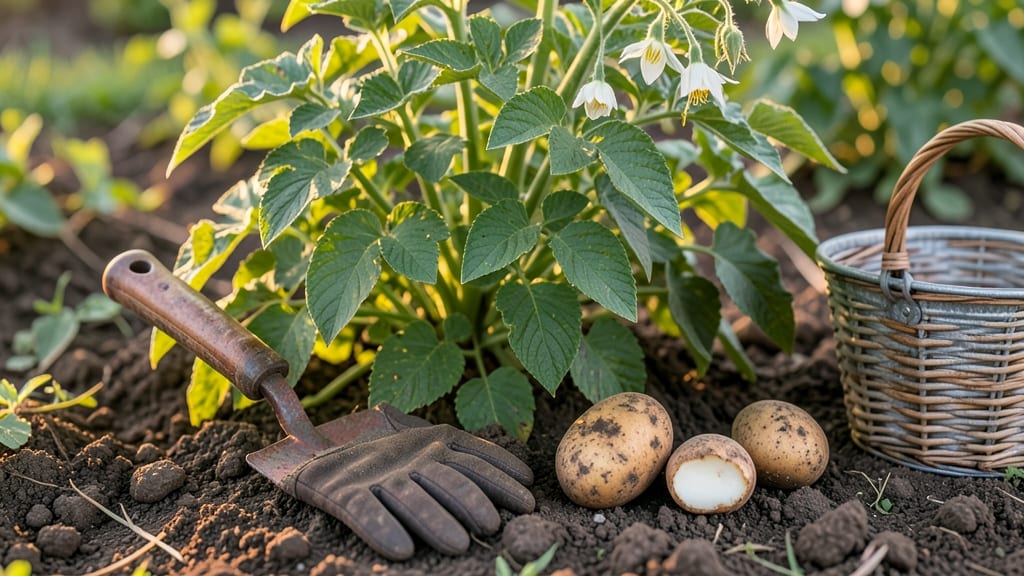
Harvesting potatoes in Texas at the right time means the difference between flavorful, firm tubers and mealy, shrunken messes.
Texas gardeners know the struggle—planting potatoes is easy, but timing the harvest wrong can mean wasted effort or poor-quality tubers. Get the harvest window perfect, and you’ll pull out firm, flavorful potatoes at their peak. Get it wrong, and you risk shriveling, sprouting, or even losing your crop to disease.
In Texas’s 8a-10b zones, the best time to harvest depends on your variety and whether you planted in spring or fall.
Early-season types like Yukon Gold might be ready by May, while late varieties like Russet could wait until July or August—but only if the foliage has fully yellowed and died back.
Below, I break down the exact signs to watch for, Texas-specific adjustments for heat and humidity, and how to store your harvest so it lasts all winter. No more guessing—just perfectly timed potatoes.
Texas-specific potato harvest timeline: when to dig by variety and climate zone
Timing your potato harvest in Texas depends on two key factors: your potato variety and your climate zone. North Texas gardeners (USDA zones 8a) face cooler springs, while South Texas (zones 9b-10b) enjoys longer growing seasons. Even within these zones, early spring vs. fall planting shifts harvest windows dramatically.
For example, my Yukon Golds planted in February need harvesting in April-May, while the same variety planted in September might be ready by July-August.
Texas gardeners also need to account for variety maturity. Early varieties like 'Red Norland' mature in 90 days, while late varieties such as 'Russet Burbank' take 120 days or more.
Planting early varieties in North Texas means harvesting in late March-April, but in South Texas, you can push harvests into June-July without frost concerns. The key is matching your planting window to your harvest timeline.
Soil temperature plays a hidden role. Potatoes grow best when soil stays between 50°F and 75°F. In North Texas, this means avoiding harvests before late March—digging too early risks cold soil damaging tubers. Meanwhile, South Texas gardeners can harvest as early as February for spring plantings or push into September for fall crops. Always check soil temps before digging.
Foliage dieback is your primary harvest cue. For new potatoes, harvest when tubers reach 2-3 inches in diameter—often 60-90 days after planting—while the plant still looks healthy. For mature potatoes, wait until 70-80% of foliage turns yellow and dies back. In North Texas, this typically happens May-June for spring plantings, while South Texas may see harvests stretch into July-August.
Skin hardening is another critical sign. Gently squeeze a tuber—if the skin resists pressure, it's ready. Thin-skinned potatoes harvested too early will bruise easily and spoil faster. I once harvested Red Pontiacs too early because the foliage looked ready, only to find the tubers soft and mealy. Always test a few tubers before full harvest to avoid this mistake.
Fall-planted potatoes in Texas offer a second harvest opportunity. If you plant September-October, expect harvests between June-August for North Texas and July-September in South Texas. The key difference? Fall plantings avoid spring frost risks but require consistent moisture during Texas summers.
I've had success with fingerling varieties like 'French Fingerling' in fall plantings—they mature quickly and thrive in the milder fall temperatures.
Adjust your harvest timeline based on soil moisture. Dry spells can stunt tuber growth, while excessive rain may cause disease pressure. In Central Texas, I often harvest 2-3 weeks earlier than the table suggests during drought years.
Always prioritize tuber firmness over strict calendar dates—if tubers feel solid and skins are thick, they're ready, even if foliage isn't fully dead.
One Texas-specific tip: Early spring harvests (March-April) benefit from mulching to protect tubers from cold soil. Use straw or leaves to insulate the soil while still allowing you to dig. For late summer harvests, shade cloth can prevent heat stress on newly exposed tubers.
I've saved entire harvests by covering freshly dug potatoes with wet burlap during 100°F+ days while curing.
Remember, harvest timing isn't just about the calendar—it's about plant health, soil conditions, and variety needs
How to tell when potatoes are ready to harvest: 5 critical signs Texas gardeners must watch
Timing your potato harvest in Texas isn’t just about waiting for a specific date—it’s about reading your plants like a pro. Miss the window, and you’ll end up with shrivel-prone tubers or tough, woody potatoes.
But nail it, and you’ll pull out firm, flavorful spuds that store beautifully. The key? Watching for these 5 visual and tactile cues that tell you it’s time to dig.
Texas’s long growing season and variable climate zones mean harvest times shift from North to South. In North Texas (Zone 8a), spring-planted potatoes often hit peak harvest by late April to May, while South Texas (Zone 10b) gardeners may harvest as late as July or August.
But no matter where you garden, these signs apply universally.
- 1 Foliage Yellowing and Dieback: When 75% of leaves turn yellow and wilt, it’s a clear signal. This happens as the plant redirects energy to the tubers below ground. In Texas’s heat, this can happen quickly—don’t wait too long!
- 2 Tuber Size Threshold: For new potatoes, dig when tubers reach 1.5–2 inches in diameter. For mature potatoes, wait until they’re 4–6 inches wide. Use your fingers to gently squeeze—if they’re golf-ball-sized, they’re ready!
- 3 Skin Hardening: Ready-to-harvest potatoes have thick, tough skin that resists puncturing. Press a tuber gently—if it feels firm and doesn’t dent easily, it’s time. Thin-skinned potatoes harvested too early will bruise and spoil faster.
- 4 Flower Fading: If your potatoes bloom and then fade, it’s a sign the plant is shifting focus to tuber production. This is especially true for determinate varieties like ‘Yukon Gold’ or ‘Red Pontiac,’ which flower heavily before harvest.
- 5 Dig-and-Check Method: The only way to be sure? Gently dig up one tuber and inspect it. If it’s firm, well-formed, and free of blemishes, harvest the rest. If it’s small or green, wait 1–2 weeks and check again. This is my go-to trick for Texas’s unpredictable heat spikes!
Harvesting too early is a common mistake—small, underdeveloped potatoes lack flavor and store poorly. But waiting too long? You risk shriveling tubers or even rot in the ground as the plant decomposes.
In Texas’s heat, this can happen faster than you think, especially in South Texas’s Zone 10b, where summer temperatures accelerate the process.
Pro tip: Morning harvests are best in Texas’s heat. The soil is cooler, and tubers won’t overheat or sprout prematurely from the stress. After digging, let potatoes cure in the sun for 1–2 hours to harden their skins—this prevents bruising and extends storage life.
Store them in a cool, dark place (50–60°F) with good airflow to keep them fresh for months.
Now that you know the signs, grab your fork and get digging! The satisfaction of pulling perfect potatoes from your Texas soil is worth the wait. 🥔