
How To
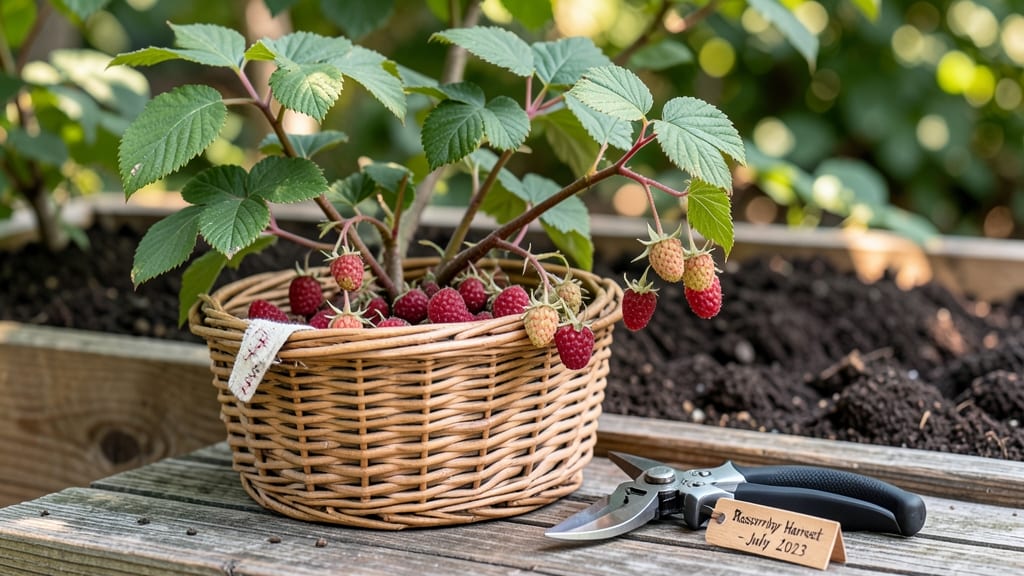
Harvesting raspberries at the right time ensures sweet, juicy fruit 🍇—and skipping this step means ending up with bland, mealy berries or worse, ones ruined by rain.
Picture this: you’ve spent months tending to your raspberry bushes, and now the moment of truth arrives. One wrong move, and your hard work turns into a mushy mess. But here’s the good news—knowing when to pick isn’t just about color or size.
It’s about a rain-free window, the perfect firmness, and even the time of day you harvest.
Most gardeners assume raspberries are ready when they turn red, but that’s only half the story. The real secret lies in how they feel, their size, and whether the weather is cooperating.
A single storm can turn your ripe berries into a soggy disappointment, so timing your harvest is just as important as planting them right in the first place.
In this guide, you’ll learn the exact signs to look for—from deep color to gentle give—and how to create a foolproof plan to protect your crop. By the end, you’ll never second-guess when to harvest again.
5 Visual and tactile signs your raspberries are ready to pick
Knowing exactly when to harvest raspberries saves you from picking underripe fruit that’s tart and mealy—or worse, waiting too long and watching them rot on the plant. The key lies in combining visual cues with simple tactile tests.
Start by checking the berry’s color consistency: ripe raspberries should be a uniform deep red (for summer-bearing varieties) or black (for fall-bearing types), with no lingering green or pink hues anywhere.
Next, give the berry a gentle firmness test. A ripe raspberry should feel plump but slightly yielding when pressed lightly with your thumb—like ripe peaches. If it feels rock-hard or squishes too easily, it’s not ready yet.
This tactile check is your secret weapon against guessing games, especially when berries look close but aren’t quite there.
Don’t overlook the detachment test, which tells you whether the berry is truly ready to pick. Gently pull on a ripe raspberry—it should separate cleanly from the receptacle (the cone-shaped base).
If it resists or tears, wait another day or two. This simple trick prevents you from harvesting berries that’ll fall apart in your basket.
Size matters too, but not in the way you might think. While ripe raspberries are fully grown and uniform in shape, they won’t necessarily be the largest on the plant.
Look for berries that match the average size of their cluster—oversized ones might be overripe, while undersized ones are still developing.
Finally, inspect the receptacle color. As raspberries ripen, the cone where they attach should turn from green to light brown or tan. If it’s still bright green, the berries need more time. This subtle change is your final confirmation that the fruit is primed for picking.
One common mistake is assuming all berries on a cluster ripen at once. In reality, raspberries often ripen in stages, with some berries ready while others lag behind. To avoid frustration, pick only the fully ripe berries and leave the rest to mature.
This staggered approach prevents overripe berries from spoiling the whole cluster and maximizes your harvest over several days.
Pay attention to the berry’s surface texture too. Ripe raspberries have a slightly velvety appearance with a fine dusting of powder. Unripe berries look shiny or waxy, while overripe ones may appear dull or wrinkled. This subtle texture clue helps you avoid picking berries that’ll turn mushy within hours.
For fall-bearing varieties (like Heritage or Boyne), timing becomes even trickier because they produce two crops: summer and fall. In late summer, focus on the first flush of berries—they’ll be ready when fully colored and plump.
Then, as temperatures drop, watch for the second crop to ripen in early fall, often with deeper coloration.
Pro tip: Harvest in the morning after dew has dried to catch berries at peak flavor and firmness. This timing also gives you a 24-hour buffer before rain, protecting your freshly picked berries from spoilage. With these visual and tactile cues, you’ll never second-guess when to harvest again.
The rain-free window rule: how to protect your harvest before picking
Weather can make or break your raspberry harvest. A sudden downpour turns perfectly ripe berries into a mushy mess in minutes. That’s why I always check the 24-hour forecast before planning my picking schedule.
Even if your berries look ready, waiting for dry weather ensures you bring home sweet, intact fruit—not waterlogged disappointment.
Most gardeners focus on color and firmness, but rain protection is just as critical. I’ve learned the hard way that leaving ripe raspberries on the bush overnight risks fungal growth and split berries.
The key is creating a rain-free window—a 24-hour period where you can safely harvest without weather interference.
⚠️ callout warning ⚠️
🌧️ Rain Ruins Raspberries in Minutes
Even fully ripe raspberries can absorb 50% more water in 30 minutes of rain, causing them to split, rot, or develop mold. Never harvest within 24 hours of forecasted rain—wait for clear skies.
🔹 Summer-bearing varieties (red) are most vulnerable—check forecasts daily during peak season (July-August).
🔹 Fall-bearing varieties (black) can handle slightly more moisture but still spoil if left wet overnight.
To create your rain-free window, start by checking the 7-day forecast every morning. Look for a 24-hour stretch with no rain predicted. I use the National Weather Service app for hyper-local alerts, especially during raspberry season (July-September in most zones).
Pro tip: Set a calendar reminder 48 hours before your planned harvest day to double-check.
If rain is forecasted but your berries are ripe, don’t panic. I keep breathable fabric row covers (like Agribon) handy to throw over the bushes. These let sunlight through while blocking rain—just secure them tightly and remove them the morning of your harvest.
For heavier storms, I use clear plastic cloches (like those for tomatoes) to protect individual canes.
Timing matters even more than you think. Harvest in the morning after a dry night for the sweetest berries. The dew-free hours (after 8 AM) are ideal because the fruit hasn’t absorbed moisture overnight.
If you must pick after rain, do it immediately—even slightly damp berries will spoil faster in storage.
Remember: ripe raspberries won’t get sweeter on the bush—they’ll only get worse. By mastering the rain-free window rule, you’ll turn every harvest into a success, no matter what Mother Nature throws your way. 🌱