
How To
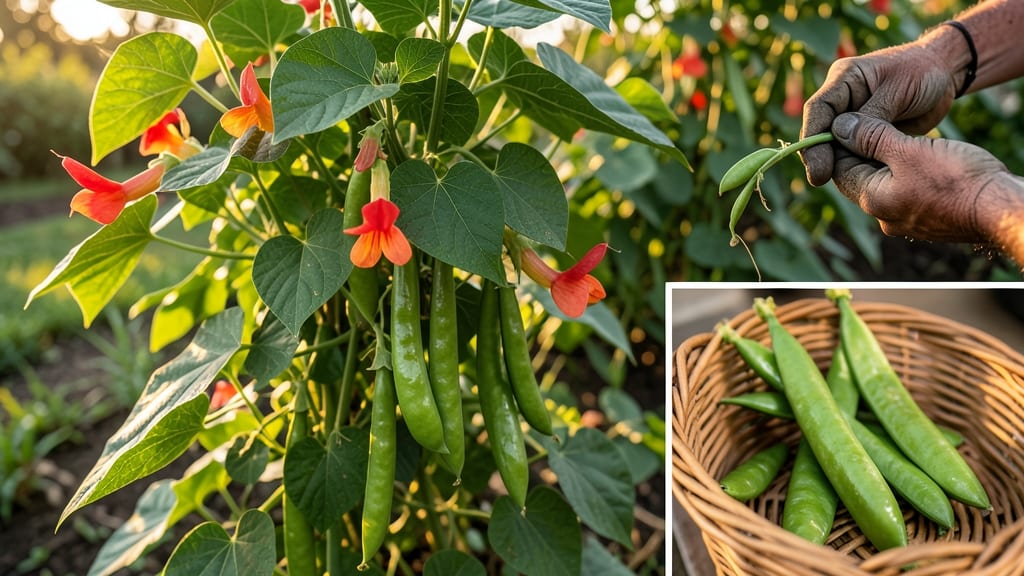
Harvest Scarlet Runner Beans when pods snap like dry pasta and turn a deep red 🌱—usually 60-75 days after planting, or between July and September in most regions.
Picture this: You’re reaching for a pod, and it bends with a satisfying crack—that’s your cue to pick it. Miss this window, and the pods toughen up faster than last year’s garden plan. The key? Timing matters just as much as the test.
In warmer zones, like Zone 6a, you’ll start harvesting as early as late July, while cooler areas might wait until early September. The goal is to beat the heat and keep those beans tender, so check them weekly once flowers fade.
Below, I’ll walk you through the exact signs to look for, how to harvest without hurting the plant, and what to do with your bounty—because nothing beats a fresh pod straight from the vine.
How to identify scarlet runner bean pods ready for harvest
Timing is everything when harvesting scarlet runner beans, and missing the window means tough, stringy pods instead of tender, flavorful ones. The key lies in watching for visual cues and performing a simple physical test—both tell you exactly when to pick.
I’ve learned that waiting too long turns these vibrant pods into woody, nearly unusable stems, so let’s break down the signs you’ve been waiting for.
First, focus on pod size as your primary indicator. The ideal harvest window is when pods reach 4 to 6 inches long. At this stage, they’re plump but still flexible, offering that perfect balance between maturity and tenderness.
Smaller pods under 3 inches are too young and lack flavor, while anything beyond 6 inches starts hardening into a leathery texture that’s nearly impossible to cook with.
| Stage | Pod Size | Color | Texture | Harvest Time |
|---|---|---|---|---|
| Early Pods | Under 3 inches | Pale green | Very soft | Not ready |
| Ideal Pods | 4-6 inches | Bright green/red | Firm but flexible | Harvest now! |
| Overripe Pods | Over 6 inches | Dull brown | Hard and woody | Too late |
Color is another critical clue. Bright green or red pods signal readiness, while dull or brownish hues mean the beans inside have fully matured—and the pod itself has turned tough.
I’ve noticed that in warmer climates, pods may ripen faster, so I check them every 2-3 days during peak summer months. In cooler regions, the process slows down, giving you a slightly longer window to harvest.
Don’t skip the snap test, which is foolproof for determining doneness. Gently bend a pod—if it snaps cleanly like dry pasta, it’s ready. A pod that bends without snapping is still too tender, while one that resists entirely is past its prime.
This test works for both green and red varieties, so it’s a universal trick for any scarlet runner bean garden.
Seasonal variations play a role too. In early summer, pods may appear earlier and more frequently, while late-season harvests (August-September) often yield fewer but larger pods. If you’re in a short growing season, prioritize picking the first flush of pods to encourage more production.
I’ve found that in Zone 6a, where I garden, early harvests in July keep the plants productive well into September.
One mistake I’ve made? Ignoring the flower cycle. Scarlet runner beans produce flowers that fade within a few days, and new pods form shortly after. If you see faded flowers on the vine, check for fresh pods forming nearby—this is your cue to start monitoring them closely.
Waiting until the flowers drop completely means you’ve missed the best harvest window.
Regional growing conditions also affect timing. In hotter southern climates, pods may mature in as little as 50 days, while in cooler northern zones, they can take up to 75 days to reach harvest size.
Adjust your expectations based on your local climate, and don’t hesitate to consult a planting calendar for your specific region.
Finally, remember that harvesting frequency impacts future yields. Picking pods regularly encourages the plant to produce more, so aim to harvest every 2-3 days during peak season. I’ve seen plants nearly collapse from overproduction if I don’t stay on top of it—so set a reminder if needed!
The goal is to keep the plant happy and productive all season long.
With these visual cues and tests, you’ll never miss the perfect moment to harvest scarlet runner beans again. The difference between a tender, flavorful pod and a tough, unappetizing one comes down to timing—and now, you’re armed with everything you need to succeed. Happy harvesting! 🌱
Best practices for harvesting scarlet runner beans without damaging plants
Harvesting scarlet runner beans at the right time ensures tender, flavorful pods while encouraging your plants to keep producing. The key is frequency and gentle handling—both critical to maximizing your yield without stressing the vines.
I’ve learned that picking too aggressively or too infrequently can actually reduce production, so let’s break it down step by step.
Start harvesting when pods reach 4-6 inches long and are firm but still bright green or red. At this stage, they’ll snap cleanly when bent—like dry pasta—without breaking into fibers.
Waiting too long turns them woody and bitter, while picking too early means smaller, less flavorful pods. Consistency is everything here.
⚠️ callout warning ⚠️
⚠️ Don’t Harvest Too Late!
Overripe scarlet runner bean pods turn brown, tough, and stringy. Once seeds inside swell, the plant stops producing new pods. Harvest every 2-3 days during peak season (July-September) to encourage continuous flowering and pod formation.
Use sharp pruning shears or clean scissors to snip pods just above the node where they attach to the vine. This method prevents damaging the stem and encourages more pods to form.
Avoid tugging or pulling, as this can uproot tender new growth. I always keep a small pair of shears handy while harvesting to make the process quick and efficient.
After harvesting, inspect your plants for any damaged or diseased pods and remove them immediately. This prevents pests and fungi from spreading to healthy growth. A light morning watering after harvesting helps replenish moisture lost during the process, especially in hot, dry climates.
I’ve found that my plants bounce back faster when they’re well-hydrated.
To maximize yield, focus on younger pods first—they’re the most tender and flavorful. Older pods can still be used (dried or for seed saving), but they won’t be as enjoyable fresh.
If your plants slow down production mid-season, a light fertilizer application with a balanced 5-10-10 mix can give them a boost without overstimulating foliage growth.
Finally, always harvest on a dry, sunny morning to reduce humidity-related issues like mold. Store freshly picked pods in the fridge for up to 5 days or blanch and freeze them for long-term use.
By following these steps, you’ll enjoy a steady supply of fresh, homegrown scarlet runner beans all season long.