
How To
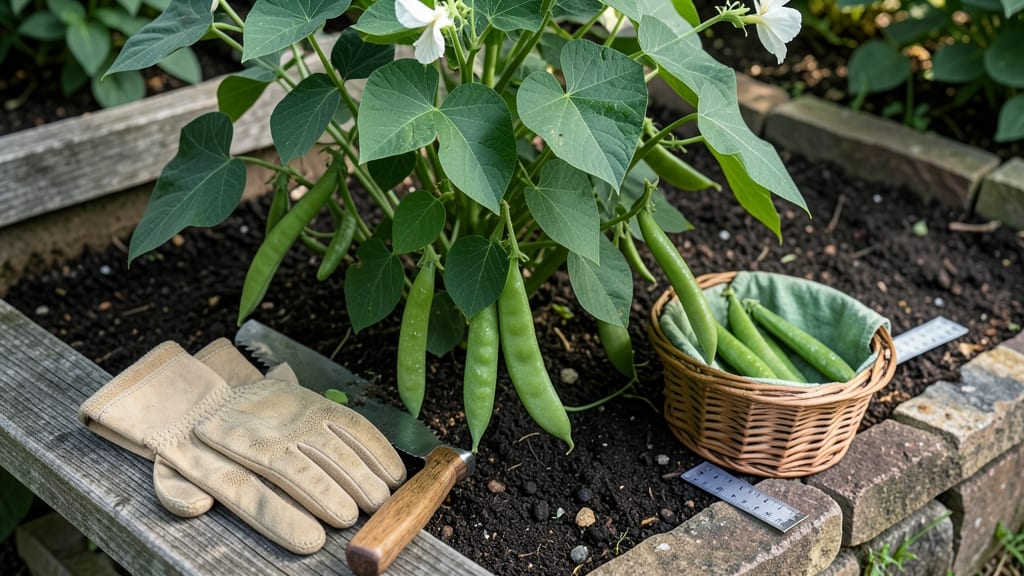
To harvest snap beans at their peak — when pods are 4-6 inches long and crisp as a summer breeze — is the secret to turning your garden into a flavor powerhouse.
Nothing beats the crisp, sweet crunch of freshly picked snap beans 🌱 — except maybe the disappointment of overripe, woody pods that ruin your harvest. Timing is everything, and knowing exactly when to harvest snap beans can mean the difference between a gourmet garden feast and a bitter, stringy mess.
Most gardeners wait too long, letting pods mature past their prime. But if you start checking them at 50 days after planting, you’ll catch them just as they reach that perfect snap.
The key? Harvest in the morning when pods are cool and firm, and you’ll keep the flavor bright and the texture tender.
Below, I’ll walk you through the exact signs to look for — from pod size to color shifts — plus how often to pick to keep your plants producing like crazy. No more guesswork, just a steady supply of the best beans you’ve ever tasted.
Snap bean harvesting guide: perfect size, color, and texture clues
Timing your snap bean harvest is an art that transforms your garden into a flavor factory. The secret lies in catching pods at their peak—when they're 4-6 inches long, vibrant in color, and snappy to the touch.
Miss this window, and you'll end up with tough, stringy pods that taste more like disappointment than dinner. I've learned the hard way that patience (and frequent checks) is key to avoiding this common gardener's regret.
Most snap bean varieties—whether bush beans or pole beans—reach harvest readiness about 50-65 days after planting. But don't rely solely on days in the ground. The real magic happens when you combine three key visual cues: pod length, color intensity, and texture.
Ignore any one of these, and you risk sacrificing that prized crispness we all crave.
Here's the golden rule I follow: harvest when pods are 4-6 inches long and bright green (or their natural color if heirloom varieties). For flat pods like Blue Lake, aim for 5-6 inches—they're ready when they're plump and straight.
Meanwhile, round pods like Romano should be harvested at 4-5 inches to prevent over-maturation.
The texture test is my favorite trick for nailing perfect timing. Simply pick a pod and gently bend it—if it snaps cleanly with a satisfying crack, you've hit the sweet spot. But if it bends without resistance or feels rubbery, it's past its prime.
I always harvest in the morning when pods are coolest and crispest, which makes all the difference in flavor.
Color changes are another dead giveaway. Fresh snap beans should be bright green (or their natural color). When they start looking dull or yellowing, they've overstayed their welcome.
I've seen gardeners miss this cue and end up with pods that turn woody and bitter—a fate worse than any pest infestation. Pay attention to these subtle shifts, and your harvest will thank you.
One mistake I see new gardeners make is waiting too long because they think "bigger is better." But snap beans are all about timing over size. Once they reach 7 inches or more, the pods thicken, the strings develop, and the flavor declines.
I've learned to set a mental alarm for when pods hit that 4-6 inch mark—it's the difference between restaurant-quality beans and sad, stringy leftovers.
For bush beans, which produce all their pods at once, you'll need to harvest every 2-3 days during peak production. Pole beans, on the other hand, produce continuously, so you can stretch your harvests to 3-4 days between pickings.
Either way, frequent harvesting isn't just about getting dinner on the table—it's what keeps your plants producing like crazy all season long.
Pro tip: Use a small pruning shears or your fingers to harvest. Avoid tugging too hard, as this can damage the plant. I like to grab pods by their stems and give a gentle twist—this
How often to pick snap beans for maximum yield and plant health
Consistent harvesting is the secret weapon for a high-yielding snap bean harvest. When you pick beans regularly—2-3 times per week—you encourage your plants to produce more pods instead of letting them go to seed.
This simple habit can double your harvest compared to sporadic picking. The key is balance: harvest enough to stimulate growth, but not so much that you stress the plant.
Early in the season, young snap bean plants may need more frequent attention. Check your rows every 2-3 days during peak production (June-July) to catch pods at their sweetest.
Late-season varieties, planted in July-August, often produce more slowly, so you can stretch your harvesting to once every 4-5 days without sacrificing yield. Always prioritize morning harvests when pods are crispest and coolest.
One of the biggest mistakes I see is letting snap beans over-mature on the vine. When pods turn yellow or develop thick, woody walls, they've passed their prime. These overripe beans not only taste bitter and stringy but also signal to the plant that it's time to stop producing.
Always remove any over-mature pods you find during harvests—they drain energy that could go toward new growth.
For early-season varieties planted in April-May, you'll typically see the first harvestable pods around 50-60 days after planting. At this stage, I recommend harvesting every 2 days for the first 2 weeks to establish a strong production rhythm.
For late-season varieties planted in July, wait until pods appear (around day 60) before starting your regular harvest schedule.
Pro tip: Use a sharp pair of pruning shears or your fingers to snap pods cleanly at the stem. Avoid tearing leaves or stems, as this creates entry points for pests and diseases. Always harvest in the morning hours when temperatures are coolest—this preserves the pods' crispness and sweetness.
Store harvested beans in the fridge for up to 5 days or process them immediately for the best flavor.
Remember, your snap bean plants are like athletes—they perform best when you give them regular rest and encouragement. By following this 2-3 times weekly harvesting schedule and staying vigilant for over-mature pods, you'll enjoy a long, productive season with beans that are crisp, tender, and bursting with flavor.
The more consistent you are, the more your plants will reward you with continuous harvests right up until frost.