
Plants
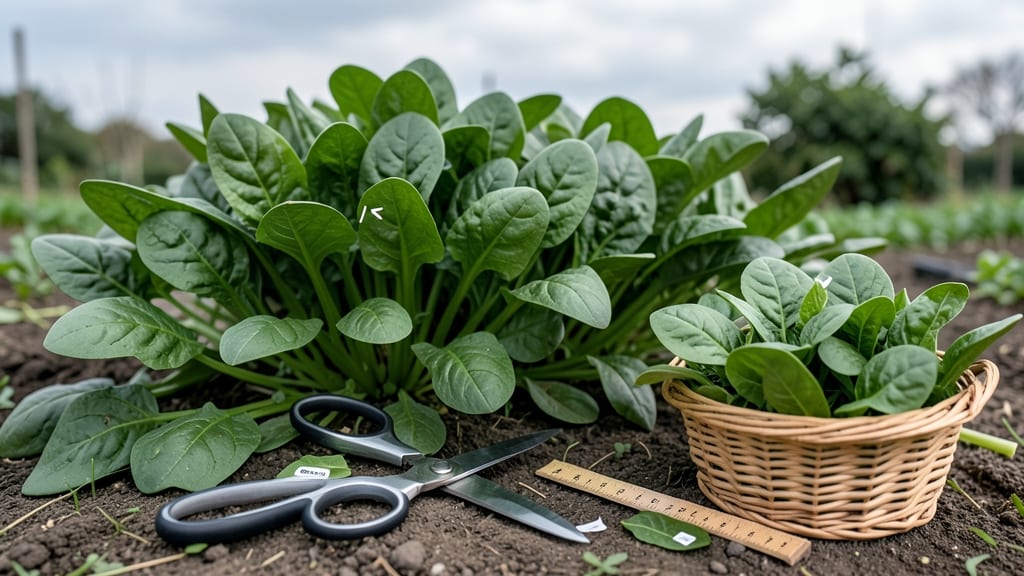
Harvesting spinach plants at the right time means the difference between tender, crisp greens and tough, bitter leaves you’d rather skip.
Picture this: you’ve nurtured your 🌱 spinach for weeks, only to pull a leaf that snaps like a twig instead of yielding to your knife. That’s the moment you realize timing isn’t just a detail—it’s everything.
The key? Watching for leaves that are 4-6 inches long and still bright green, with a slight crispness when touched.
Spinach thrives in cooler weather, so spring and fall are your best bets. In USDA Zone 6a, aim for late April to early June for spring harvests or September to October for fall.
But don’t wait too long—once the weather warms, those sweet leaves bolt faster than you can say "salad."
Below, I’ll walk you through the exact visual cues to look for, how to harvest without stressing the plant, and why spacing your cuts matters. By the end, you’ll know exactly when to snip for the freshest spinach—no guesswork included.
How to identify the perfect harvest time for spinach leaves
Knowing when to harvest spinach plants is all about reading the plant’s visual cues and growth stages. Young spinach leaves are tender and packed with nutrients, but waiting too long turns them tough and bitter.
The key is timing your harvest when leaves reach their peak flavor and texture—usually between 30 to 60 days after planting, depending on your variety and growing conditions.
For baby spinach leaves, you can start harvesting as early as 30 days when leaves are just 2–3 inches long. These tiny leaves are perfect for salads and garnishes. If you’re growing spinach for larger leaves, wait until they reach 4–6 inches in length and have fully unfurled.
This ensures a balance of tenderness and size, ideal for cooking or storing.
| Stage | Leaf Size | Color | Stem Thickness | Harvest Time |
|---|---|---|---|---|
| Baby Leaves | 2–3 inches | Bright green | Thin | 30–40 days |
| Mature Leaves | 4–6 inches | Deep green | Slightly thicker | 45–60 days |
| Overmature | 6+ inches | Yellowing or bitter | Thick, woody | Avoid |
Pay close attention to the leaf color and texture—bright green leaves with a crisp feel are your best indicator. If leaves start turning yellow or developing a slightly bitter taste, it’s a sign they’ve passed their prime.
Also, check the stem thickness: thin stems mean tender leaves, while thicker stems signal it’s time to harvest before the plant bolts or becomes tough.
Another key visual cue is the plant height. Mature spinach typically reaches 6–12 inches tall, but if it grows taller than 12 inches, it may be bolting (flowering), which ruins the flavor.
Harvest before this happens to enjoy the sweetest, most tender spinach. For continuous harvests, pick the outer leaves first, leaving the inner leaves to keep growing.
Seasonal timing also plays a role. In spring and fall, spinach grows best when temperatures stay between 45–75°F. Harvesting in cooler months ensures sweeter, more tender leaves.
If you’re growing spinach in hot summer months, expect faster bolting—harvest quickly to avoid bitter flavors. Always check the weather forecast and plan your harvests around cooler days.
For container-grown spinach, the same rules apply, but monitor growth more closely since pots can dry out faster. If you notice leaves curling or wilting, it’s a sign of stress—harvest immediately or provide more shade and water.
The goal is to keep your spinach consistently hydrated and cool to delay bolting and maintain tenderness.
Pro tip: Use a pair of clean scissors or pruners to harvest leaves just above a leaf node. This encourages the plant to produce new growth from the base. Avoid pulling leaves by hand, as this can damage the plant.
For a continuous harvest, space your picks every 1–2 weeks, always harvesting the largest, most mature leaves first.
Finally, store harvested spinach properly to preserve its freshness. Place leaves in a plastic bag with a paper towel to absorb moisture, then refrigerate for up to 5–7 days. For long-term storage, blanch and freeze spinach to lock in nutrients and flavor.
By mastering these harvest timing cues, you’ll enjoy a steady supply of tender, flavorful spinach all season long.
Spinach harvesting methods: cut-and-come-again vs. full-plant pull
Deciding between cut-and-come-again and full-plant pull harvesting can double your spinach yield—but timing matters. The cut-and-come-again method lets you harvest outer leaves when they reach 4–6 inches long, leaving the center to regrow.
Meanwhile, full-plant pull works best for mature plants ready to bolt or in late-season harvests. Both methods have trade-offs in regrowth potential and flavor.
For cut-and-come-again, I start harvesting when the outer leaves hit 4–6 inches—this ensures tenderness while letting the plant recover. With full-plant pull, I wait until the entire plant reaches 6–12 inches tall and has 8–10 mature leaves.
The key difference? Cut-and-come-again gives you a continuous supply, while full-plant pull maximizes flavor in a single harvest.
Spinach Harvesting Methods Compared
- ✅ Regrowth: 2–3 harvests per season
- ✅ Tenderness: Leaves stay crisp
- ✅ Continuous yield: 3–4 weeks of harvests
- ✅ Flavor: Richer taste at maturity
- ✅ Single harvest: No regrowth needed
- ✅ Best for bolting: Avoids bitter leaves
- ❌ Slower regrowth in heat
- ❌ Smaller leaves over time
- ❌ No regrowth
- ❌ Limited to 1 harvest
I recommend cut-and-come-again for spring and fall harvests when temperatures stay cool (50–75°F). For summer, switch to full-plant pull to avoid bolting—spinach hates heat and turns bitter fast.
Always harvest in the morning when leaves are crispest, using clean scissors or pruners to snip just above the soil line for regrowth.
Pro tip: Space your harvests 1–2 weeks apart with cut-and-come-again to encourage bushier growth. For full-plant pull, harvest the entire plant at once when the base leaves turn yellow—this signals maturity.
Store harvested spinach in the fridge for up to 5 days in a sealed container with a damp paper towel to retain freshness.
If you’re growing spinach in containers, cut-and-come-again works best—just ensure the pot is at least 12 inches deep to support regrowth. For in-ground plants, full-plant pull is ideal if you’re prepping the bed for a fall crop like kale or lettuce. Both methods work, but timing is everything!
Remember, overharvesting weakens the plant, while underharvesting leads to bolting. Strike the balance by checking leaves weekly and adjusting based on weather. With the right approach, you’ll enjoy tender, homegrown spinach all season long.