
Plants
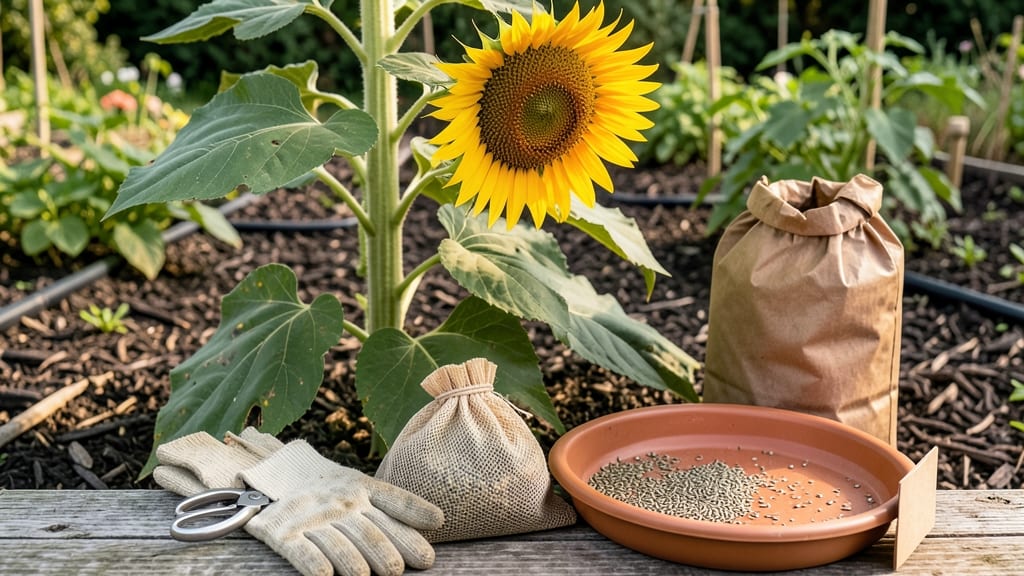
Harvesting sunflower seeds from plants at the right time means the difference between plump, flavorful seeds and shriveled scraps — and you’ll know it’s time when the back of the flower head turns brown and the petals fall away naturally.
Picture this: your 🌻 sunflowers towering over the garden, their golden faces nodding in the breeze. One day, you notice the petals drifting to the ground like confetti, and the seed head feels dry and papery when you give it a gentle shake.
That’s your cue to act before birds or weather ruin your harvest.
Timing matters more than you might think. Harvest too early, and the seeds won’t store well; too late, and they’ll split open or mold. In Zone 6a, that window typically opens in late September, but environmental factors like rain or humidity can shift it earlier or later.
Below, I’ll walk you through the dry pod test, seed color changes, and other key signals to ensure you harvest at peak maturity — plus how to dry and store your seeds for next year’s garden or kitchen.
How to test sunflower seed readiness using the dry pod method
Harvesting sunflower seeds at the perfect moment ensures maximum flavor, viability, and yield. The dry pod method is the most reliable way to determine readiness, focusing on both the pod's physical state and the seed color changes.
This technique works for all sunflower varieties, whether you're growing them for edible seeds or bird feed. The key is patience—waiting until seeds reach 80% maturity guarantees the best results.
When using the dry pod method, you're essentially checking for three critical signs: a dry, papery seed head, dark-colored seeds, and a hollow-sounding rattle when shaken. These indicators work together to confirm your seeds are ready.
For example, a seed head that's still green or moist means you'll need to wait a few more days. But once the back of the head turns brown and dry, it's time to act.
Here's a step-by-step guide to testing your sunflower seeds using the dry pod method:
Once you've confirmed all these signs, it's time to harvest. Use a sharp knife or pruners to cut the seed head from the stem, leaving a 2-inch stalk attached.
This makes drying easier. Hang the heads upside down in a well-ventilated, dry place like a garage or shed, where they can finish drying for 1-2 weeks.
Timing your harvest correctly also depends on your climate zone. In warmer regions like USDA Zone 9, sunflowers may mature faster, while cooler zones like Zone 5 might need an extra week or two.
Always monitor your plants closely, especially if you're growing heirloom varieties, which can have slightly different maturity timelines.
One common mistake is harvesting too late. If you wait until the seed heads split open naturally, birds and squirrels will likely get to your seeds first. By using the dry pod method, you can harvest just before the natural splitting occurs, ensuring you get the majority of your seeds.
This method also helps you avoid mold or spoilage, which can happen if seeds stay too long in damp conditions.
For the best storage results, once the seeds are completely dry, remove them from the pods and store them in an airtight container in a cool, dark place. Properly stored sunflower seeds can last for up to a year, making them perfect for replanting or sharing with fellow gardeners.
If you're saving seeds for next year, label your containers with the variety name and harvest date to keep track.
Remember, the dry pod method isn't just about checking one or two signs—it's about combining all the visual and tactile cues to ensure your seeds are at their peak.
By mastering this technique, you'll never miss a harvest again, and you'll always have a bountiful supply of sunflower seeds ready for whatever you need them for. Happy harvesting! 🌻
Seed color, plant signals, and environmental factors that determine harvest timing
Knowing when to harvest sunflower seeds relies on three key factors: visual cues from the plant, seed color changes, and environmental conditions. The most obvious sign is the back of the flower head turning brown while the petals fall away naturally.
This shift from green to dark brown or black seeds signals maturity, but don’t rush—wait until at least 80% of seeds show this color change.
Pay attention to the stem and seed head too. A dry, papery seed head that rattles when shaken means the seeds are ready. Meanwhile, the main stem often yellows or browns near the base, indicating the plant is redirecting energy to seed maturation.
These visual cues work together to tell you the perfect harvest window.
| Visual Cue | Seed Color | Environmental Factor | Action |
|---|---|---|---|
| Back of flower head turns brown | Dark brown/black seeds | Dry, sunny weather | Harvest within 3-5 days |
| Petals fall off naturally | 80%+ seeds dark-colored | Low humidity (<60%) | Cut heads, hang to dry |
| Seed head rattles when shaken | Firm, plump seeds | No rain forecast | Remove seeds, dry indoors |
Environmental factors like rain and humidity can delay harvest timing. If humidity stays high (above 60%), seeds may take longer to dry on the plant, increasing mold risk. In wet climates, harvest slightly earlier when the first brown seeds appear, then finish drying indoors.
Conversely, in dry, sunny conditions, wait until the seed head is fully browned and papery before cutting.
For birdseed varieties, harvest when seeds are fully mature but before they scatter naturally. These seeds need extra drying time to prevent spoilage. Meanwhile, edible sunflower varieties should be harvested at peak maturity for maximum oil content and flavor.
Store harvested seeds in a cool, dry place with proper airflow to maintain viability.
Watch for birds and squirrels—they’ll strip seeds prematurely if left unprotected. Use bird netting over seed heads if wildlife is a concern. Once harvested, dry seeds completely (until they rattle in their pods) before storing. This prevents mold and extends shelf life for up to 1 year.
Timing your harvest correctly ensures high-quality seeds whether you’re saving them for next year’s garden or using them for bird feeders. Pay attention to these visual and environmental cues, and you’ll never miss the perfect moment to harvest again. 🌻