
Vegetables
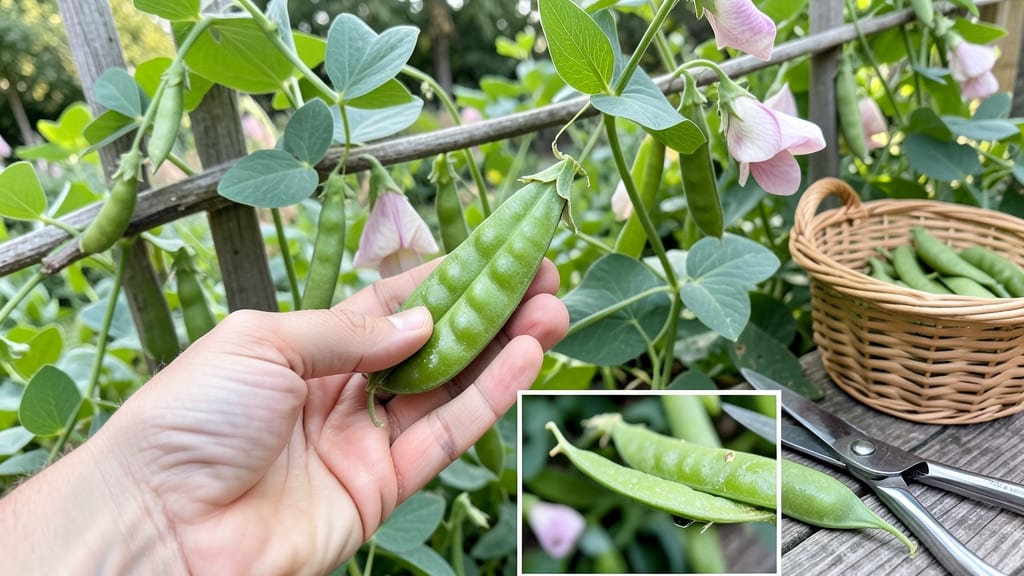
Harvest sweet peas when pods reach 2-3 inches and snap crisply—this is the secret to unlocking their sweetest flavor before they toughen.
Picture this: you’re pinching back a vine in your garden, and the pod gives just a little resistance before snapping cleanly. That’s your cue—too early, and you’ll miss the sugar rush; too late, and you’re left with a mealy mess.
Sweet peas are finicky like that, but getting the timing right turns your garden into a flavor-packed harvest.
Most varieties in USDA Zone 6a hit peak ripeness between June and August, but morning harvests keep them fresher longer. The key? Watch for pods that are firm, slightly plump, and still bright green—never let them yellow or dry out on the vine.
Below, I’ll show you how to spot the perfect pod, the best time of day to pick, and pro tips to extend your harvest season so you’re not left with empty vines by summer’s end.
How to identify sweet peas ready for harvest by pod size and color
Sweet peas are a gardener’s reward for patience, but knowing exactly when to harvest sweet peas can mean the difference between tender, flavorful pods and tough, mealy disappointments. The key lies in watching for three visual cues: pod size, color changes, and seed visibility.
These simple checks ensure you pick pods at their peak sweetness, just before they lose their delicate texture.
First, focus on the pod length. Ideal sweet pea pods should measure between 2 to 3 inches long. This is the sweet spot where the peas inside are fully developed but haven’t yet begun to harden.
Smaller pods (under 2 inches) often contain underdeveloped peas with less flavor, while larger pods (over 3 inches) may have tougher skins and less tender peas.
Next, observe the pod color. Young sweet pea pods start as a vibrant green, but as they mature, they gradually shift to a pale yellow-green hue. This color change signals that the peas inside are nearing their peak sweetness.
If the pods remain bright green, they’re likely not ready—wait a few more days. Conversely, if they turn fully yellow or develop brown spots, they’ve passed their prime and may taste bitter.
Finally, check for seed visibility through the pod’s translucent skin. When the peas inside are clearly visible and plump, it’s time to harvest. You should see 3 to 5 peas per pod, depending on the variety.
If the seeds are still tiny or barely visible, the pod needs more time on the vine.
| Pod Stage | Size | Color | Seed Visibility | Harvest Ready? |
|---|---|---|---|---|
| Early | Under 2 inches | Bright green | Seeds not visible | ❌ No |
| Ideal | 2-3 inches | Pale yellow-green | Seeds clearly visible | ✅ Yes |
| Overripe | Over 3 inches | Yellow or brown | Seeds shrunken | ❌ No |
🌱 Pro Tip: Harvest in the morning when pods are cool and crisp for the best flavor.
Timing your harvest correctly also depends on the variety of sweet pea you’re growing. Some varieties, like the classic ‘Cupani’, mature faster than others, such as ‘Perfume’ or ‘Sugar Ann’.
Always check the seed packet for specific harvest guidelines, but use the size and color cues as your primary guide. If you’re unsure, err on the side of harvesting a day early—peas won’t sweeten further once picked.
One common mistake is waiting too long because the pods look full-sized but still green. While size is important, the color shift to pale yellow-green is your best indicator of ripeness.
Ignoring this cue can lead to pods that are tough and less flavorful. Similarly, harvesting too early—when pods are small and green—results in peas that are underdeveloped and bland.
To maximize your harvest, pick pods every 2 to 3 days during peak production. This encourages the plant to produce more flowers and pods, extending your harvest season.
Always use clean, sharp scissors or pruners to avoid damaging the vine. Cut the pod just above a leaf node to promote healthy regrowth.
If you’re growing sweet peas in a warmer climate, they may mature faster, so keep a closer eye on pod development. In cooler regions, pods might take longer to reach harvest size.
Adjust your expectations based on your local growing conditions, but always prioritize the visual cues of size and color over a strict timeline.
Once you’ve mastered these visual cues, you’ll never again miss the perfect moment to harvest sweet peas. The reward? Pods bursting with sweet, tender peas that are perfect for snacking, cooking, or preserving.
With practice, you’ll develop an almost instinctive sense of when to pick, turning your garden into a steady source of homegrown sweetness.
The snap test method for determining sweet pea ripeness
Sweet peas are at their sweetest when harvested at the perfect moment—just before they mature completely. While visual cues like pod size and color changes help, the most reliable method is the snap test. This tactile approach ensures you capture the peak sweetness without missing the window.
The snap test focuses on the crispness of the pod, which is directly tied to flavor. When sweet peas are ready, their pods emit a slight snapping sound when gently squeezed. This isn’t about breaking the pod but feeling a resistant crispness that gives way with a faint crack.
⚠️ WARNING: Harvesting Too Soon or Too Late ⚠️
To perform the snap test, hold a mature sweet pea pod (about 2-3 inches long) between your thumb and forefinger. Apply gentle pressure—just enough to feel resistance.
If the pod emits a clear, crisp snap and the seeds inside rattle slightly, it’s ready. This indicates the starch-to-sugar conversion has peaked, delivering the best taste.
If the pod feels too soft or squishes easily, it’s underripe. Conversely, if it’s hard and woody with no give, it’s overripe. The snap test eliminates guesswork by relying on the pod’s physical properties, which are closely tied to sweetness levels.
This method works best in the morning, when pods are firmest and flavors are most concentrated.
For consistent results, combine the snap test with visual checks. Look for pods that are pale green or yellowing and have visible seeds through the pod wall. This dual approach ensures you’re harvesting at the absolute peak of flavor and texture.
Once mastered, the snap test becomes your go-to tool for a sugar-packed harvest every time.
Pro tip: Store harvested sweet peas in the fridge for up to 5 days to preserve their freshness. For long-term storage, freeze pods in airtight containers—the snap test ensures they’ll retain their sweetness even after freezing.