
Vegetables
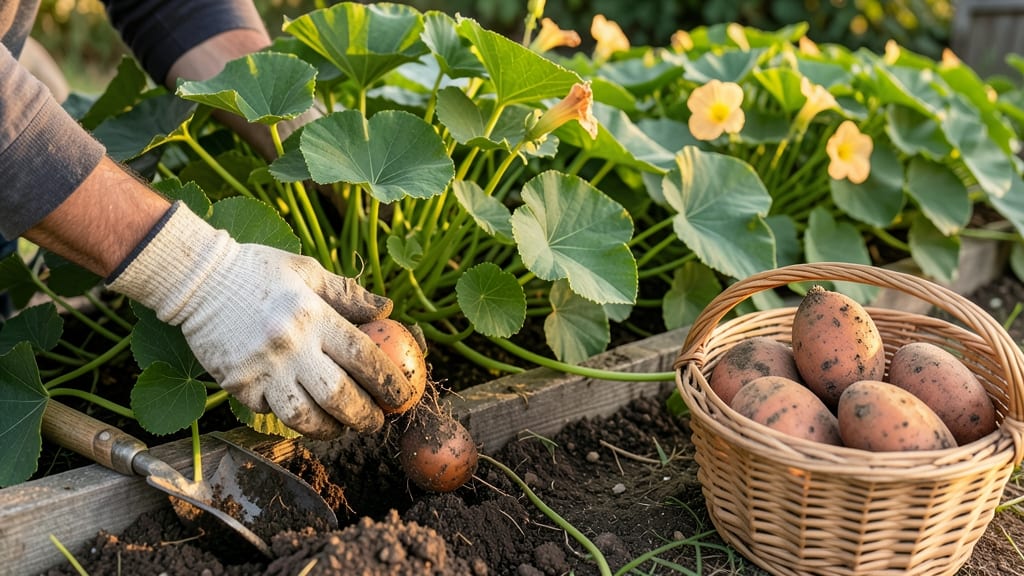
Harvest sweet potatoes when the vines yellow and die back 🍠, typically 90 to 150 days after planting, but don’t wait too long—woody tubers ruin the flavor.
Picture this: you’ve nurtured your sweet potatoes all season, and now the moment of truth arrives. The leaves are crispy and brown, the soil is loose, and the tubers slip free with a gentle tug. But miss this window, and you’re left with small, tough roots that taste like cardboard.
Timing isn’t just about days on the calendar—it’s about reading your plants. In Zone 6, that usually means late summer to early fall, but frost risk and variety play a big role. A Beauregard might need 120 days, while a Jewel could be ready sooner.
Inside, you’ll find the exact signs to watch for—skin toughness, leaf color, and soil conditions—and how to adjust for your climate. Plus, what to do if you harvest too early (or too late) to save your crop.
How to tell when sweet potatoes are ready to harvest by skin and soil signs
Harvesting sweet potatoes at the right time means the difference between velvety, sweet tubers and woody, flavorless roots. Unlike regular potatoes, sweet potatoes don’t have a uniform harvest window—they rely on visual and tactile cues from both the plant and the soil.
Ignoring these signs can lead to missed harvests or ruined crops, especially when frost looms or vines suddenly die back.
First, focus on the foliage. Healthy sweet potato vines stay lush and green for most of the growing season, but when they begin to yellow and crisp, it’s your first clue. This natural senescence signals that the plant is redirecting energy to tuber development rather than leaf growth.
However, don’t wait until the vines are completely brown—harvest 10-14 days after yellowing begins for optimal sweetness.
Next, check the skin texture. Ready-to-harvest sweet potatoes have thickened, tough skin that resists a fingernail’s pressure. Gently press your thumbnail into the tuber’s skin—if it doesn’t puncture easily, the tuber is mature.
Thin-skinned sweet potatoes are still developing and may lack flavor. This tactile test is one of the most reliable indicators of harvest readiness.
Now, let’s talk about the soil. Loosen the top 2-3 inches of soil around the plant with your fingers or a small trowel. If the tubers are 2-3 inches in diameter and the soil feels dry and crumbly (not soggy), it’s time to harvest.
Wet soil can cause bruising, while overly dry soil may mean the tubers are already stressed. Aim for a balanced moisture level—just dry enough to loosen easily.
| Sign | Not Ready (Green) | Ready (Yellow) | Overripe (Brown) |
|---|---|---|---|
| Vine Color | Bright green | Yellowing (50-75% yellow) | Completely brown/dry |
| Skin Texture | Thin, easily pierced | Thick, resists fingernail | Hard, cracked |
| Tuber Size | Under 1 inch | 2-3 inches | Over 4 inches (woody) |
| Soil Condition | Moist, sticky | Dry, crumbly | Hard, cracked |
| Action | Wait 2-4 weeks | HARVEST NOW | Too late; store or cook immediately |
For a double-check, gently dig up one tuber from each plant to test its readiness. If the skin is thick and the flesh is firm (not mushy), harvest the rest within the next 3-5 days.
Pro tip: Use a hand fork or garden trowel to loosen soil around the base of the plant, then grasp the vine and pull upward. Avoid using a shovel, as it can bruise or cut tubers.
Regional differences matter here. In warmer climates (Zones 8-10), sweet potatoes may mature earlier and need harvesting by early fall to avoid heat stress. In cooler zones (Zones 6-7), aim to harvest before the first frost, which can damage both the vines and the tubers.
If frost is imminent and your sweet potatoes aren’t ready, cover the plants with straw or mulch to buy a few extra days.
One common mistake is waiting until the vines are completely dead. By then, the tubers may have shriveled or developed cracks from drying soil. Instead, act when you see 75% yellowing—this gives you a 2-3 day window to harvest before the plant fully senesces.
Store your freshly harvested sweet potatoes in a cool, dark place (60-65°F) with high humidity to preserve their sweetness for months.
If you’re growing multiple varieties, like Beauregard (orange) or Jewel (red), note that their harvest windows can vary by 7-10 days. Always prioritize skin thickness and vine yellowing over calendar dates, as these cues are consistent across varieties.
For container-grown sweet potatoes, check for readiness 2-3 weeks earlier than in-ground plants, as pots can dry out faster and stress the tubers.
Remember, sweet potatoes are not like regular potatoes
Sweet potato harvest timing by variety and climate: a seasonal guide
Sweet potato varieties mature at different rates, and your local climate plays a huge role in determining the perfect harvest window. Beauregard, the classic orange-fleshed variety, typically reaches harvest in 90-110 days, while Jewel sweet potatoes take 100-130 days to mature.
In Southern climates, where frost is rare, you can extend harvests into late fall, but in Northern zones, timing becomes critical to avoid frost damage.
Your last frost date and humidity levels also influence when to harvest. High humidity can delay maturity, while dry conditions may speed up the process.
For example, in Zone 7 and warmer, you might harvest as late as December, while in Zone 5 or colder, you’ll need to pull tubers by early October to prevent frost from ruining your crop.
| Variety | Days to Maturity | Best Harvest Window | Climate Notes |
|---|---|---|---|
| Beauregard | 90-110 days | Late summer to early fall | Fastest-maturing; harvest before frost |
| Jewel | 100-130 days | Mid to late fall | Longer season; ideal for warm climates |
| Centennial | 110-120 days | Late summer to fall | Drought-tolerant; great for dry regions |
| Garnet | 120-140 days | Mid to late fall | Slow-growing; needs longer season |
In Southern climates, where frost is a non-issue, you can often leave sweet potatoes in the ground until the soil temperature drops below 50°F. This gives tubers more time to develop their signature sweetness.
However, in Northern regions, you’ll need to harvest before the first frost, even if the vines aren’t fully yellowed. Use black plastic mulch to extend the growing season by a few weeks if needed.
Pay attention to leaf color and soil conditions as key indicators. When the vines turn yellow and die back, and the skin slips easily when you gently tug on it, your sweet potatoes are ready.
In humid climates, this process might happen faster due to faster vine maturation, while dry conditions can slow it down.
If you’re unsure whether your sweet potatoes are ready, perform the "fingernail test": press your fingernail into the skin. If it resists, they’re ready to harvest.
If not, wait another week and check again. Harvesting too late can make tubers woody, while harvesting too early results in small, underdeveloped tubers with poor flavor.
For a foolproof harvest, aim to pull your sweet potatoes when they’ve reached their full size (typically 2-3 inches in diameter) and the soil is loose and dry.
This ensures tubers are firm, sweet, and ready for storage. In short-season climates, prioritize early-maturing varieties like Beauregard to maximize your yield before frost arrives.