
How To
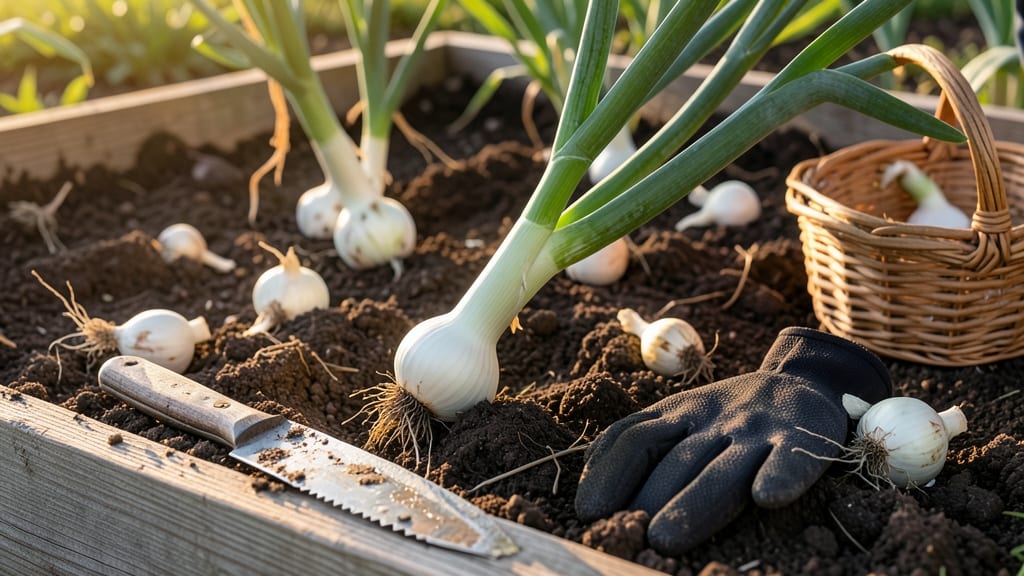
Harvesting white onions 🧅 at the right time means the difference between sweet, flavorful bulbs and bitter, short-lived ones—so timing is everything.
Most gardeners wait too long, ending up with onions that split or lose their storage potential. The key? Watching for three subtle but unmistakable cues: bulb size, leaf color, and neck thickness. Miss these, and you’ll sacrifice both taste and shelf life.
In this guide, I’ll break down the exact visual signals—from 2.5-inch bulbs to yellowing tops—that tell you when your white onions are ready to pull. You’ll also learn how regional climates shift the harvest window and how to test ripeness in just 30 seconds.
Whether you’re growing for fresh eating or long-term storage, these tips will help you harvest at peak sweetness—no guesswork required.
3 Key size & shape clues to harvest white onions at perfect ripeness
Harvesting your white onions at the right time ensures maximum flavor and storage life. Unlike green onions, these bulbs need precise size and shape indicators to signal readiness.
The three most reliable clues—bulb diameter, top size, and neck thickness—reveal whether your onions are perfect for fresh use or long-term storage.
I’ve learned the hard way that waiting too long turns sweet onions bitter, while harvesting too early means small, underdeveloped bulbs. The key is watching these three physical traits work together.
For example, a 2.5-inch bulb with papery skin and a thick neck is ideal for storage, while a smaller bulb with green tops is best eaten fresh immediately.
Here’s how to use these clues to time your harvest perfectly, whether you’re growing storage onions or fresh-market varieties. The comparison below breaks down the exact measurements and what they mean for your harvest strategy.
| Harvest Stage | Bulb Diameter | Top Size | Neck Thickness | Best For |
|---|---|---|---|---|
| Early Harvest | 1.5–2 inches | Leaves 4–5" tall | Tapered but firm | Fresh eating |
| Peak Storage | 2.5–3.5 inches | Leaves 6–8" tall | Thick, papery | Long-term storage |
| Overripe Warning | >3.5 inches | Leaves yellow/brown | Soft or splitting | Discard |
Notice how the bulb diameter increases as the onion matures, but the top size actually shrinks. This shift happens because the plant redirects energy from leaf growth to bulb development.
For storage onions, aim for the 2.5–3.5 inch range—these bulbs store best because their thick necks prevent rot during curing.
If your onions exceed 3.5 inches in diameter, they’re likely overripe. The neck becomes soft or even splits, and the flavor turns sharp. I once left mine too long, and they sprouted in storage—total waste! Always check for these warning signs before deciding to harvest.
For fresh-market onions, smaller bulbs (1.5–2 inches) are perfect for salads or cooking. These haven’t fully matured, so they’re milder in flavor. The trade-off? They won’t store as long as their larger counterparts. Use them within a few weeks or preserve them by pickling or freezing.
Pro tip: Compare your onions to a standard US quarter** (about 2.5 inches in diameter) for a quick visual check. If your bulb matches or exceeds this size with a dry, papery top, it’s ready for harvest.
For storage onions, wait until the neck shrinks noticeably—this indicates the bulb’s sugars have fully developed.
Regional timing matters too. In cool climates (Zones 3–5), harvest storage onions in late summer (August) before the first frost. In warmer zones (6–10), you can wait until early fall (October). Always prioritize the neck thickness over calendar dates—it’s the most reliable indicator of ripeness.
One final clue: Gently tug on the onion’s leaves. If the bulb slips easily from the soil without resistance, it’s ready. If it feels firmly anchored, wait another week. This simple test saves you from harvesting too early or too late.
Color & leaf changes that signal harvest timing (with mistakes to avoid)
White onions reveal their harvest readiness through subtle leaf color shifts and papery skin development. The transition from vibrant green tops to golden-yellow or brown signals maturity—but timing is everything for flavor and storage life.
I’ve learned the hard way that waiting too long turns sweet onions bitter, while harvesting too early means small, underdeveloped bulbs.
Start watching for yellowing tops that begin to flop over, a classic sign your onions are nearing peak ripeness. The outer leaves will also develop a papery texture, almost like thin parchment.
This dryness indicates the bulb has stopped growing and is redirecting energy to storage sugars. Pay attention to the neck thickness too—a thick, dry neck means your onions will store beautifully for months.
⚠️ Avoid These Harvest Mistakes
- Harvesting when tops are fully brown: Onions lose sweetness and become pungent; flavor degrades in storage.
- Pulling onions with green tops: Bulbs continue growing underground, risking splitting or rot.
- Ignoring neck thickness: Thin necks = poor storage life; thick necks = longer shelf stability.
Pro Tip: If your onions' tops are half yellow/half green, they're likely at peak harvest time.
Don’t overlook the root system—dry, shriveled roots confirm it’s harvest time. If roots are still moist or the bulb feels spongy when pressed, wait another week. I once harvested a batch too early because I ignored the roots, and those onions never stored well.
Always gently pull a test bulb to check its readiness without damaging the rest of your crop.
Regional timing matters too: In cooler climates, onions may take longer to mature, while hotter zones can speed up the process. If your area experiences early frosts, harvest storage onions by late September to avoid winter damage.
For fresh eating, you can harvest smaller bulbs earlier, but for long-term storage, always wait for that papery skin and thick neck.
One final tip: If you’re unsure, harvest a few test bulbs and store them in a cool, dry place. If they keep well for weeks, your main crop is ready. If they spoil quickly, give your onions another week or two. This simple test saves hours of guesswork—and wasted onions!
Mastering these visual cues transforms your harvest from guesswork to garden success. With practice, you’ll spot the perfect moment when your white onions are sweetest and longest-lasting—no more bitter surprises or wasted storage space. Happy harvesting! 🧅