
Vegetables
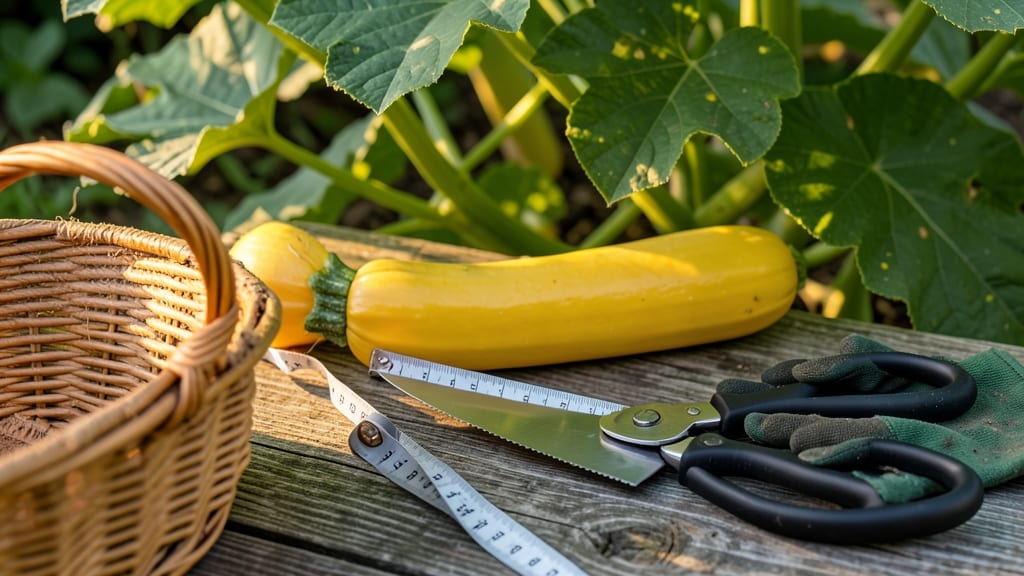
Harvesting yellow zucchini when they reach 6-8 inches long is the key to unlocking their sweetest, tenderest flavor—before they turn tough and seedy.
Picture this: you’ve nurtured your 🎃 plants all season, and now they’re producing like crazy. But wait too long, and those plump, golden zucchini can go from gourmet-worthy to bitter and fibrous in just a few days.
The difference between a perfect harvest and a kitchen discard is all in the timing.
Size isn’t the only clue—skin texture, stem firmness, and even seed development play a role. I’ll walk you through the exact visual cues to look for, so you never miss the sweet spot.
Plus, I’ll share how often to check your plants and the simple trick to keep your zucchini producing all season long.
Whether you’re a first-time gardener or a seasoned pro, mastering the art of harvesting yellow zucchini ensures you’ll enjoy bountiful, restaurant-quality veggies straight from your garden. Let’s get started!
Optimal yellow zucchini size for harvesting: the 6-8 inch rule explained
Harvesting yellow zucchini at the right size makes all the difference between a tender, sweet vegetable and one that's bitter, seedy, and tough. The 6-8 inch rule is your golden ticket to peak flavor—any smaller, and you're wasting potential; any larger, and you're fighting for texture.
This window ensures you enjoy zucchini at its prime eating stage, before its flesh turns fibrous and seeds develop.
Think of your zucchini plant as a fruit-producing factory. When you harvest at the ideal size, you're encouraging the plant to produce more flowers and fruit instead of letting individual zucchini overgrow.
I've seen firsthand how a single missed harvest can lead to a foot-long monster zucchini that's more suitable for carving than eating!
To measure correctly, use a tape measure or ruler from the blossom end (the rounded end) to the stem end. Aim for 6-8 inches total length. If you're eyeballing it, that's roughly the length of a standard ruler or your forearm.
Pro tip: Harvest in the morning after dew has dried—this makes the zucchini firmer and easier to handle.
| Size Stage | Length | Texture | Seed Development | Flavor | Action |
|---|---|---|---|---|---|
| Underripe | <4 inches | Soft, tender | None | Mild, watery | Wait 1-2 weeks |
| Ideal Harvest | 6-8 inches | Firm, smooth skin | Small, undeveloped | Sweet, tender | Harvest immediately |
| Overripe | >8 inches | Thick, tough skin | Large, hard seeds | Bitter, fibrous | Use for bread or compost |
One of my biggest mistakes early on was waiting too long to harvest, thinking bigger zucchini meant better flavor. Wrong! Once zucchini exceed 8 inches, their flesh becomes stringy and bitter, and the seeds harden.
Even the skin thickens, making them less enjoyable to eat fresh. The 6-8 inch window is where you'll find the perfect balance of tenderness and sweetness.
Pay attention to the stem separation too—this is a key visual cue. When your zucchini is ready, the stem should snaps easily when bent at the base, almost like a green bean stem.
This indicates the fruit is fully mature but not overripe. If the stem resists bending, give it a few more days. If it's already detached from the plant, you've missed your window!
Another trick I learned is to check the blossom end (the end opposite the stem). At the ideal harvest size, it should be firm to the touch and show no signs of softening.
If it feels mushy or starts to yellow or brown, that's a clear sign the zucchini has passed its prime. The skin should also be smooth and shiny, not dull or wrinkled.
If you're growing yellow zucchini in hot climates, they may mature faster—sometimes in as little as 30-40 days. In cooler regions, it could take up to 60 days.
Regular harvesting every 2-3 days keeps your plant productive. I once had a zucchini plant produce 20 harvests in a season just by staying on top of it!
For visual learners, imagine your zucchini as a green football. The ideal size is when it's about the length of a standard American football (11-12 inches) but not yet the width of a softball.
This mental image helps me quickly assess whether a zucchini is ready or needs more time. Pro tip: Keep a small ruler or measuring tape in your gardening toolkit for quick checks.
Remember, the goal is to harvest frequently to encourage more production. When you let zucchini grow too large, the plant diverts energy to seed development instead of producing new flowers.
This can lead to fewer harvests overall and a plant that looks exhausted by midsummer. Stay consistent, and you'll enjoy a steady supply of fresh z
Signs your yellow zucchini is ready to harvest (beyond size)
While the 6-8 inch rule is a great starting point, yellow zucchini reveal subtle clues that confirm peak harvest readiness. Beyond size, pay attention to the stem color and blossom end firmness—these visual cues ensure you pick at the perfect moment.
Ignoring these signals often leads to overripe zucchini with tough seeds or underripe ones that lack sweetness.
Start by examining the stem attachment point. When ready, the stem will naturally separate cleanly when gently twisted—no resistance means it's not quite time. This simple test prevents wasting zucchini that's still developing its full flavor potential.
The blossom end (opposite the stem) should also feel firm, not mushy, indicating optimal maturity.
🌱
Harvest Readiness Checklist
✅ Ready to Harvest
- Stem color: Bright green/yellow
- Blossom end: Firm, no soft spots
- Seed stage: Small, flat seeds
- Skin texture: Smooth, glossy finish
- Size: 6-8 inches long
Peak flavor and texture guaranteed!
❌ Not Ready Yet
- Stem color: Pale or uneven
- Blossom end: Soft or dented
- Seed stage: Large, visible seeds
- Skin texture: Dull or wrinkled
- Size: <4 or >8 inches
Risk of bitterness or toughness.
Check the seed development inside—ready zucchini will have small, flat seeds (about 1/8 inch long) that won't overpower your dishes. If seeds are larger or visible through the skin, the zucchini has passed its prime.
For yellow varieties, the skin should also develop a smooth, glossy finish and deepen in color, signaling optimal sugar content.
Overgrown zucchini (over 8 inches) become woody and seedy, while underripe ones (4 inches) lack the nutrient density you're growing them for.
To avoid waste, harvest every 2-3 days during peak production—this encourages your plant to produce more fruit instead of focusing energy on a single overgrown zucchini.
Pro tip: Morning harvests prevent afternoon heat stress, and always use a sharp knife or pruners to cut stems cleanly. This small effort preserves plant health and extends your harvest season by weeks. The more consistent you are, the more continuous production you'll enjoy all summer long.
🌿