
Vegetables
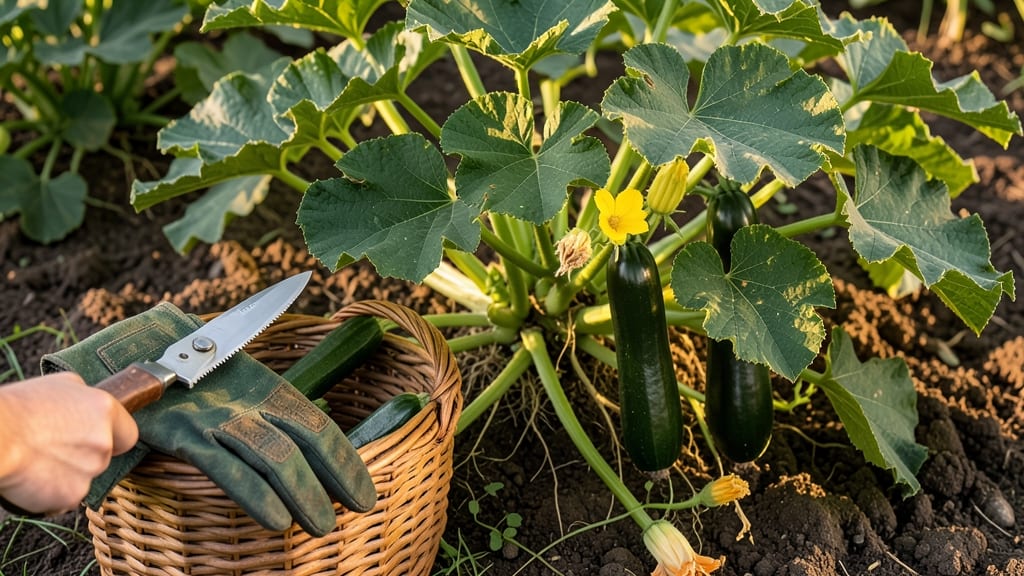
Harvesting zucchini at the right time turns your garden into a flavor factory 🎃—when you wait too long, you’re left with oversized, tough, and seedy squash.
Picking zucchini at the exact right moment transforms your harvest from mealy and seedy to tender, flavorful perfection—here’s how to never miss peak ripeness again.
Most gardeners wait for size, but the true signs are in the skin’s firmness and the stem’s snap. A zucchini that’s 6-8 inches long with deep green skin is ready, but texture is the real game-changer.
Below, I’ll walk you through three tactile tests to nail the harvest window—plus how often to pick to keep your plants producing all season.
3 Tactile tests to determine zucchini harvest time
Visual cues like zucchini size or color changes can be misleading—especially in shady patches or under inconsistent sunlight. That’s why I rely on three science-backed tactile tests to pinpoint peak ripeness before your squash turns tough or seedy.
These physical checks work even when visual signals fail, ensuring you harvest at the 6-8 inch sweet spot every time.
Over the years, I’ve learned that overripe zucchini (the kind that’s suddenly 12 inches long and rock-hard) happens when gardeners wait for color alone. But skin texture, stem firmness, and weight reveal the truth—no ruler or color chart needed.
Let’s dive into the exact pressure points and resistance levels that signal "pick me now!"
🌱 PRO TIP: Always test multiple zucchini on the same plant—some may be ready while others lag behind. This ensures you don’t miss the optimal harvest window for flavor and tenderness.
I once missed a harvest window because I trusted color alone, only to end up with three 18-inch zucchini monsters that were tough enough to use as plant markers. After that, I swore by these tactile tests—and my kitchen table hasn’t been buried in giant squash since.
The skin texture test alone saved me from another "zucchini tsunami" last summer.
For golden zucchini varieties, the tactile tests work the same, but pay extra attention to the stem snap test. Golden varieties often mature slightly faster and can turn mealy inside if left on the vine too long.
I’ve found that harvesting 1-2 days earlier than dark green types prevents bitterness in golden zucchini.
Here’s a quick reference for combining the tests: If the zucchini passes two out of three tests, it’s ready.
For example, a firm stem and heavy weight might mean the skin is slightly underripe—harvest it and use it in recipes that call for slightly firm zucchini, like grilling or roasting.
One common mistake? Testing zucchini in the midday heat. Skin can feel firmer when warm, leading to premature harvests. Always test in the early morning when the squash has cooled.
I keep a small notebook by my garden to log which tests work best for my local climate—humidity can make skin feel softer, even when the zucchini is ready.
For container-grown zucchini, these tactile tests are even more critical. Limited space means faster growth, and overcrowded plants produce zucchini that compete for nutrients, leading to uneven ripening.
I’ve had success using the weight test as my primary guide for potted zucchini, since size can be misleading in small containers.
Remember: Harvest frequency matters just as much as timing. Once you’ve mastered these tactile tests, aim to harvest every 2-3 days during peak production. This encourages your plants to keep producing instead of putting all their energy into a few giant squash.
My Black Beauty plants now give me a steady supply of 6-8 inch zucchini all summer long.
If you’re still unsure, grab a small kitchen scale and weigh your zucchini. The ideal harvest weight for most varieties is 1-1.5 pounds. Anything heavier is likely past its prime, while lighter zucchini need more time to develop their full sweetness.
Happy harvesting—your taste buds (and your dinner guests) will thank you! 🎃
Zucchini harvest time by variety: when to pick for maximum yield
Not all zucchini varieties mature at the same rate or signal readiness in the same way. Black Beauty, the classic green zucchini, is the easiest to recognize, but Golden Zucchini varieties like 'Gold Rush' ripen faster and have a softer texture.
Meanwhile, round zucchini like 'Eight Ball' stay smaller but require even more frequent checking.
Each variety has its own ideal harvest window—picking too early means bland, underdeveloped squash, while waiting too long leads to tough, seedy giants. The key is understanding how each type signals readiness through size, color, and texture, not just days after planting.
Harvest frequency is just as critical as timing. Most varieties produce continuously, so harvesting every 3-5 days keeps plants focused on new fruit. I’ve found that round varieties can handle slightly longer gaps, but traditional zucchini need regular attention to avoid overgrowth.
For Black Beauty, the most common variety, aim for 6-8 inches in length with skin that resists gentle pressure from your thumbnail. The color should be a deep, consistent green—no pale patches or yellowing.
I’ve noticed that Golden Zucchini varieties like 'Gold Rush' ripen about 5-7 days earlier than Black Beauty, so check them more frequently.
Round varieties like 'Eight Ball' are trickier because their smaller size can fool you into thinking they’re ready when they’re not. Always test the stem snap: a ready zucchini’s stem should bend easily and snap cleanly. If it pulls away with resistance, wait another day or two.
Pro tip: Morning harvests prevent pests and wilted squash. I’ve found that picking in the cool hours also preserves flavor and texture—zucchini harvested in the heat of the day can turn mealy faster. For maximum yield, never let more than 2-3 zucchini grow on a single plant at once.