
Picking
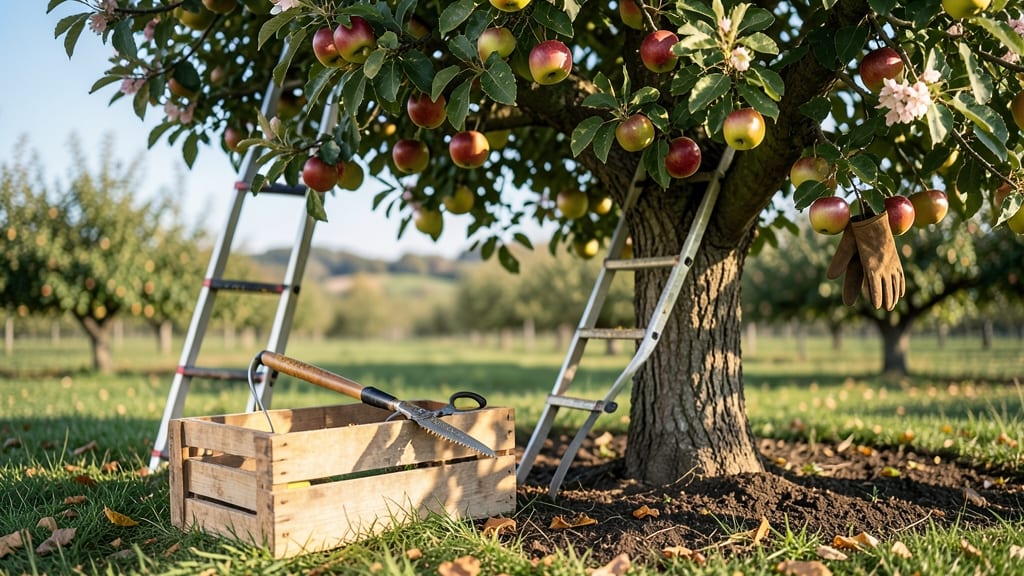
Knowing when apples reach their peak during harvest season 🍎 makes all the difference between crisp, flavorful fruit and something that falls apart at the first bite.
Picture this: you’ve spent months tending to your apple tree, and now the moment of truth arrives—do you pick too early and miss the sweetness, or wait too long and risk mealy texture?
The answer lies in understanding the subtle cues your fruit gives you, from color shifts to the all-important stem test.
In USDA Zone 6, where most home growers live, harvest typically falls between September and October, but timing varies by variety. A Honeycrisp might be ready weeks before a Granny Smith, and a late frost can push everything back.
Mastering these details ensures you get the best flavor now and the longest storage life later.
Below, I’ll walk you through the exact methods to test ripeness, how climate affects your harvest window, and the simple storage tricks that keep your apples fresh for months—no guesswork required.
Apple harvest season timeline: when to pick by variety and climate Zone
Harvesting apples at the right time transforms your orchard labor into sweet rewards. The ideal harvest window varies by variety and USDA climate zone, with temperature playing a critical role in ripening.
In warmer zones, apples may mature 2-4 weeks earlier than in cooler regions, while late frosts can delay harvests in northern areas. Understanding these patterns ensures you pick apples at peak flavor and storage potential.
For most apple varieties, harvest occurs in late summer to early fall, typically between September and October. However, early varieties like McIntosh may ripen as early as August, while late varieties like Braeburn can extend into November.
Regional temperature fluctuations can shift these windows by 1-3 weeks, so always monitor your specific microclimate. Cool nights and warm days create the perfect conditions for balanced sugar development.
Here’s a quick reference for harvest timing by USDA zones and popular varieties:
| Variety | USDA Zones | Harvest Window | Key Ripeness Cues |
|---|---|---|---|
| Fuji | 5-8 | Late Sept - Early Oct | Red blush, crisp flesh, stem separates easily |
| Granny Smith | 7-9 | Mid-Oct - Nov | Bright green, firm texture, tart flavor |
| Honeycrisp | 4-7 | Early Sept - Mid-Sept | Golden-red hue, snappy snap, sweet-tart taste |
| Gala | 5-8 | Late Aug - Early Sept | Striped orange-red, slight give when pressed |
| Braeburn | 6-9 | Oct - Early Nov | Deep red, firm but not hard, balanced sweetness |
In USDA zones 3-5, where winters are colder, apples often ripen 1-2 weeks later due to slower metabolic processes. For example, a Honeycrisp in Zone 4 might not reach peak ripeness until mid-September, while the same variety in Zone 7 could be ready by early September.
Always adjust your harvest timeline based on your local last frost date and average fall temperatures.
Temperature plays a surprising role in apple ripening. Cooler nights (50-60°F) help develop flavor compounds, while warm days (75-85°F) accelerate sugar production. If your region experiences unusually hot summers, apples may ripen faster but with less complex flavors.
Conversely, cool, wet summers can delay ripening and increase disease risk. Monitor your local weather patterns and adjust your harvest expectations accordingly.
For storage varieties like Granny Smith or Braeburn, harvest slightly earlier than peak ripeness to maximize shelf life. These apples continue ripening after picking, allowing them to develop full flavor during storage.
Aim to harvest when the fruit is 80-90% ripe for optimal storage potential. In contrast, eating varieties like Honeycrisp or Fuji should be picked at full ripeness for immediate enjoyment.
Regional variations also matter. In the Pacific Northwest, where summers are mild and wet, apples often ripen 2-3 weeks later than in drier Midwestern states. Coastal areas may experience cooler microclimates that delay harvests, while inland regions can have warmer, faster ripening.
Pay attention to your specific local growing conditions and use them as a guide for adjusting harvest times.
Pro tip: Keep a harvest journal to track when your apples ripen each year. Note the first frost date, temperature fluctuations, and any unusual weather patterns. Over time, you’ll develop a customized harvest timeline tailored to your orchard’s unique conditions.
This practice helps you anticipate peak harvest windows and plan accordingly for storage or immediate use.
Remember, harvesting too early results in mealy, underripe fruit, while waiting too long can lead to overripe, soft apples that spoil quickly. By understanding your variety’s needs and climate zone, you’ll master the art of timing your apple harvest for perfect flavor and longevity.
🍎
How to test apple ripeness: 5 key methods for perfect harvest timing
Knowing exactly when to harvest apples can feel like guessing—until you learn the 5 key methods that reveal their perfect ripeness. These simple tests help you balance flavor and storage potential, ensuring your apples stay crisp and delicious long after the harvest.
Whether you're picking for fresh eating or long-term storage, these techniques work for all varieties.
Each method focuses on a different aspect of apple maturity, from color changes to stem separation. For example, a red apple like Honeycrisp will deepen in color, while a green variety like Granny Smith might develop a slight blush.
The key is combining these tests for the most accurate timing—no more overripe, mealy fruit or underripe, tart apples.
Look for deep, consistent color—no green patches. Red apples should be fully red, while yellow varieties like Golden Delicious will turn golden.
Gently twist the apple—if the stem snaps cleanly near the branch, it’s ready. A stubborn stem means it’s not ripe yet.
Cut an apple open—if the seeds turn brown, it’s a sign of full ripeness. White or translucent seeds mean it’s not ready.
Press gently—ripe apples should feel firm but slightly yielding. Soft spots or a mushy texture mean it’s overripe.
Hold an apple and tap it—if it sounds hollow, it’s ripe. A dull thud means it’s still firm and needs more time.
For storage apples like Fuji or Braeburn, prioritize firmness and stem separation over flavor—these varieties ripen slower and store better when slightly underripe. In contrast, fresh-eating apples like Gala or McIntosh should be picked when they’re fully colored and slightly softer for immediate enjoyment.
Timing matters most in cooler climates, where apples ripen slower. In warmer zones, they may ripen faster, so check for readiness 1-2 weeks earlier. Always harvest on a dry, sunny day to prevent disease and extend storage life.
Pro tip: If you’re unsure, pick a few apples and let them ripen indoors. This way, you’ll learn the perfect ripeness cues for your specific tree and climate over time. Happy harvesting! 🍎