
Picking
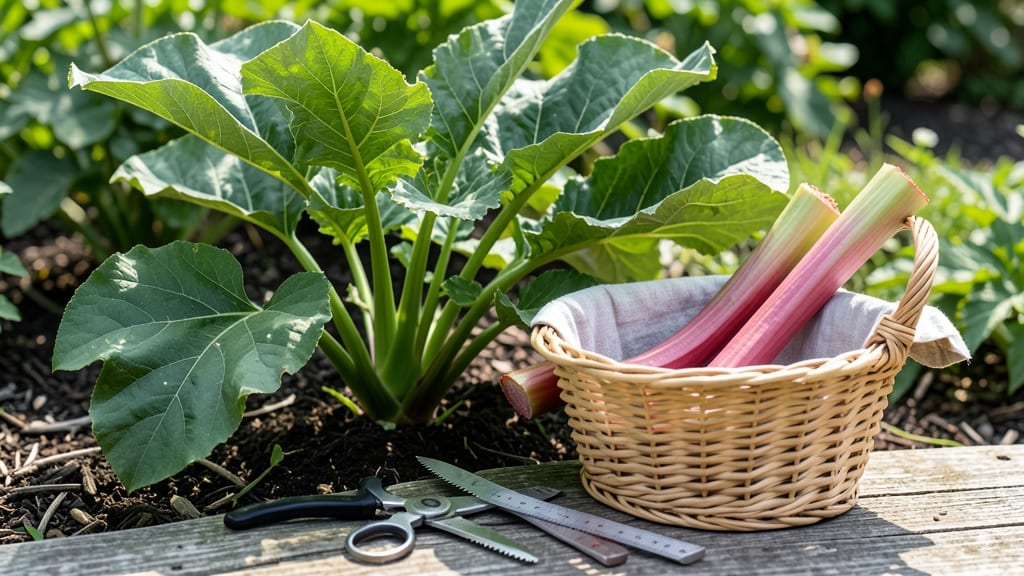
You can harvest rhubarb in September in mild climates, but timing and plant health are everything 🌱 — one wrong move and you risk weakening the crown before winter.
Picture this: It’s early September, your rhubarb stalks are still plump and vibrant, and you’re eyeing that last batch of tart, pink perfection. But before you reach for the shears, ask yourself—is your climate still cooperating?
In USDA Zone 6a and warmer, a light frost might not arrive until late October, giving you a narrow window to harvest without stressing the plant.
Harvesting too late—or too aggressively—can leave your rhubarb vulnerable to frost damage or even kill the crown before it’s ready for dormancy. The key is cutting stalks early in the day, avoiding more than one-third of the plant at once, and stopping entirely if temperatures dip below 20°F.
Below, I’ll break down the exact conditions for a safe September harvest, how to tell if your plant is still up for it, and what to do if the season turns against you—so you can enjoy that final bounty without risking next year’s crop.
When September harvesting is safe: climate and plant maturity factors
September can still offer a rhubarb harvest if your climate and plant conditions align. The key factors are temperature thresholds, frost risk, and your plant's maturity stage.
In cooler regions, like USDA zones 3-5, September harvests are risky due to early frost, while zones 6-9 often allow safe late-season picking. Understanding these variables ensures you don’t damage your plant or waste potential yields.
Your rhubarb plant’s age plays a critical role in determining whether a September harvest is viable. First-year plants need full focus on root establishment, so harvesting should be avoided entirely. Mature plants (2+ years old), however, can often produce a modest late-season harvest if they’ve been well-cared-for.
Younger plants may struggle to recover from late harvests, leading to weaker growth next spring.
Temperature is the most critical factor. Rhubarb thrives in cool weather and begins stressing when nighttime temperatures dip below 40°F (4°C). If frost is forecast within 2-3 weeks, prioritize harvesting before temperatures drop.
In Southern climates (zones 8-10), where frost arrives later, September harvests are often safe well into the month.
Here’s a quick reference to guide your decision-making:
Regional variations make all the difference. In Northern climates (zones 3-5), where frost arrives by late September, limit harvesting to early in the month. Pacific Northwest gardeners often enjoy safe harvests until mid-September, while Southern gardeners (zones 7-10) can extend harvests into early October.
Always check your local frost date averages to plan accordingly.
Plant maturity isn’t just about age—it’s also about stalk development. By September, your rhubarb may produce smaller stalks due to shorter daylight hours. Focus on harvesting only the most mature stalks (10-12 inches) to avoid stressing the plant.
If stalks are thin or woody, it’s a sign the plant is preparing for dormancy, and harvesting should stop.
Younger plants (1 year old) should never be harvested in September, as their energy is focused on root growth. Even 2-year-olds may struggle if you’ve already harvested heavily earlier in the season. Always leave at least <
Step-by-step guide: how to harvest rhubarb in September without killing the plant
September can still yield a final harvest of rhubarb if your plant is healthy and your climate cooperates. Mature rhubarb crowns (3+ years old) often produce a late-season flush of stalks, but timing is everything.
In USDA zones 5-8, aim to harvest before the first frost—typically mid-to-late September—while avoiding extreme heat stress that can weaken the plant.
Before harvesting, inspect your rhubarb stalks for firmness and vibrant color. Over-mature stalks (woody or hollow) should be left behind, as they won’t store well and can signal the plant’s energy is depleting. Prioritize young, crisp stalks (10–12 inches long) to maximize yield without stressing the crown.
✂️ Step-by-Step September Harvest Guide
- 1. Check stalk maturity: Select stalks 10–12 inches long, firm to the touch, and vibrant pink/red or green. Avoid woody or hollow stalks.
- 2. Harvest early in the day: Cut stalks at the base with a clean, sharp knife or pruners. Avoid tearing stalks, which damages the plant.
- 3. Limit harvest volume: Never remove more than 1/3 of stalks at once. Young plants (1–2 years old) should yield even fewer stalks.
- 4. Post-harvest care: Water deeply after harvesting to replenish moisture. Apply 2–3 inches of mulch to insulate the crown for winter.
- 5. Store properly: Trim leaves and store stalks in the fridge for 1–2 weeks or freeze for long-term use. Avoid room-temperature storage.
One of the biggest mistakes gardeners make in September is over-harvesting to get one last yield. Rhubarb crowns store energy in their roots, and stripping too many stalks weakens the plant’s ability to overwinter successfully.
If your plant is small or struggling, skip harvesting entirely and focus on soil prep for next spring.
After harvesting, fertilize lightly with a balanced 10-10-10 mix to replenish nutrients. Stop fertilizing by late October to encourage dormancy. In colder climates (zones 3–4), protect the crown with straw or burlap once temperatures drop below 20°F to prevent frost damage.
If your rhubarb looks stressed or diseased after September, it’s a sign to halt harvesting and prioritize recovery. Yellowing leaves or soft stalks indicate the plant is directing energy toward survival, not production. In this case, remove all stalks, compost them, and let the plant rest until spring.
With the right approach, September can deliver one last crop of rhubarb without harming your plant—just follow these steps to balance yield and long-term health. Happy harvesting! 🌱