
How To
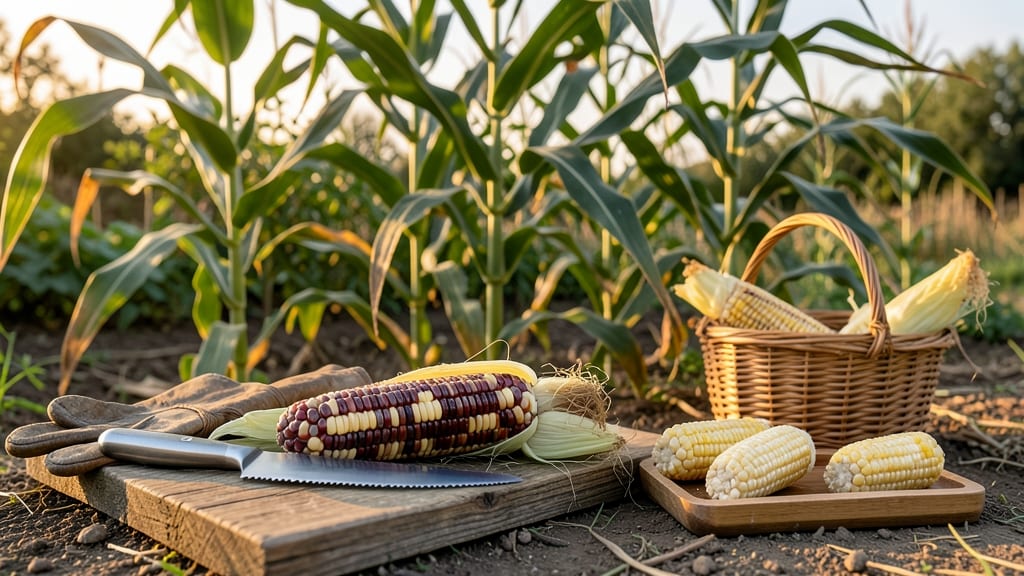
Harvesting Indian corn 🌽 at the right moment means the difference between vibrant, flavorful kernels and tough, dry husks that crumble at the touch.
You’ve nurtured your plants through late summer’s heat, watched the tassels fade from green to brown, and now the question looms: When exactly do you pick? Miss the window, and you’re left with ears that won’t store—or worse, ones that shatter in the husk.
The key lies in three simple cues: the husk’s papery dryness, the silk’s crispy brown strands, and the kernel’s firmness when pressed. But timing also depends on your USDA Zone 6a frost date, because once temperatures dip, even mature ears won’t wait.
Below, I’ll walk you through the exact moment to harvest—plus how to preserve that fresh-picked sweetness for months to come, whether you’re drying, freezing, or storing for holiday centerpieces.
How to identify the perfect harvest time for Indian corn
Timing your Indian corn harvest correctly is the difference between sweet, flavorful kernels and tough, dry ones. Unlike sweet corn, which is best harvested when silks are still damp, Indian corn (ornamental maize) needs to mature fully for vibrant colors and storage potential.
The key is watching for visual and tactile cues that signal peak ripeness—don’t miss these critical signs!
Start by checking the tassels at the top of your Indian corn plants. When they turn brown and crispy, it’s a strong indicator that the kernels are nearing maturity.
This usually happens 110–130 days after planting, depending on your climate. The tassels will eventually dry up completely, signaling the final stage before harvest.
Next, examine the silks (those long, thread-like strands) that emerge from the husk. When they turn brown and brittle, it’s another clear sign that the kernels inside are ready.
If you gently pull on the silks and they break easily, your corn is likely at the perfect harvest stage. Ignoring this cue can lead to overripe ears with hard, unpalatable kernels.
Here’s a quick summary table to help you spot the exact moment to harvest your Indian corn:
| Harvest Cue | What to Look For | Action |
|---|---|---|
| Tassels | Fully browned and dead | Check kernels next |
| Silks | Dry, brown, and brittle | Harvest within 2–3 days |
| Husks | Dry, papery, and tight | Peel back to inspect kernels |
| Kernels | Plump, firm, and dented when pressed | Harvest immediately |
| Leaves | Drying and crispy | Final confirmation of readiness |
Don’t rely solely on days after planting—weather and variety play huge roles. For example, drought stress can accelerate drying, while excessive rain might delay maturity. Always test a kernel by pressing it with your fingernail: if it’s hard and dented, it’s ready.
If it’s still soft or milky, wait a few more days.
Another pro tip? Look for the "milk line" inside a kernel. If it’s white and creamy, the corn is too young. When the kernel turns yellow or translucent, it’s prime for harvest.
This test is especially useful for ornamental varieties, where color vibrancy matters as much as texture.
If you’re in a cooler climate, like USDA Zone 6a or below, aim to harvest before the first frost. Indian corn won’t survive freezing, and the kernels will become mealy and inedible.
In warmer zones, you can wait until the husks are completely dry and the leaves have turned crispy—this often happens in late September or October.
Once you’ve confirmed all signs, harvest by twisting the ear gently from the stalk. Avoid cutting the stalk, as this can damage the plant and reduce future yields.
After harvesting, hang the ears upside down in a dry, well-ventilated area for 2–4 weeks to fully dry. This preserves their color and flavor for months.
Proper timing ensures your Indian corn stays vibrant, sweet, and perfect for decorations or cooking. Miss the window, and you’ll end up with hard, shriveled kernels that lack the rich taste and striking appearance you’re after. Now that you know the signs, you’re ready to harvest like a pro!
Common mistakes that ruin Indian corn harvests (and how to avoid them)
Harvesting Indian corn at the wrong time can turn sweet, vibrant kernels into tough, flavorless husks. Even experienced gardeners overlook subtle signs that signal overripeness or poor storage potential. Let’s fix these common pitfalls before your hard work goes to waste.
One of the biggest mistakes is ignoring the kernel firmness. When kernels become rock-hard, they lose sweetness and moisture. Another overlooked issue is cracked husks, which expose ears to pests and disease. These errors often start with misreading maturity cues or rushing the harvest.
⚠️ Warning: Overlooked Overripeness Signs
Don’t wait until husks crack open or kernels turn glass-like—this means your corn is past its prime. Check for these red flags instead:
- ✅ Husks turn brown and papery (not green)
- ✅ Tassels dry and crisp (no green left)
- ✅ Kernels are plump but firm (not soft or hard)
Harvest 1-2 days before these signs appear for peak flavor!
Weather plays a sneaky role too. Drought stress can cause premature drying, while excessive rain before harvest leads to moldy husks. Both scenarios ruin storage potential. Always monitor your plants’ leaf health—wilting or yellowing signals stress that affects kernel quality.
Even after harvest, mistakes continue. Skipping proper drying (hanging ears in a well-ventilated, dark space) leads to spoilage. Store corn in cool, dry conditions (50–60°F) with low humidity—any warmer or damper, and mold becomes a risk.
To avoid these blunders, harvest in the morning when kernels are coolest and most hydrated. Use a sharp knife to cut stalks 6 inches above ground, leaving husks intact. This preserves freshness and prevents kernel damage.
With these adjustments, your Indian corn will stay vibrant, sweet, and ready for storage—no wasted harvests here! 🌽