
Vegetables
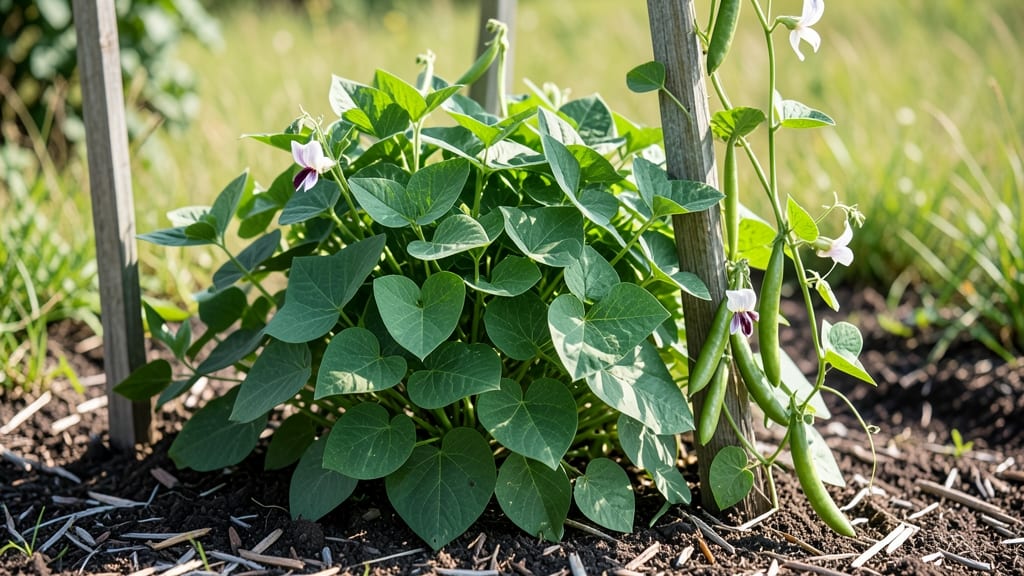
Growing green beans from seed to harvest in just 30 days is faster than you think—if you time it right.
Picture this: crisp, homegrown green beans 🌱 popping up in your garden by early summer, ready to pick in under a month. But miss the planting window, and you’ll end up with leggy vines or bitter pods.
This guide gives you the exact triggers—soil temps, frost dates, and weekly milestones—to turn seeds into a harvest in record time.
Most gardeners overlook the 50°F soil threshold that kicks off germination, or they plant too close together, stunting growth. I’ll show you how to avoid those mistakes with a simple checklist, plus the best varieties for your zone and how to stretch your harvest season by weeks.
By the end, you’ll know exactly when to start seeds, how to spot ready-to-pick pods, and why morning watering makes all the difference. No guesswork—just a foolproof timeline for green beans that taste sweeter than store-bought.

The exact 30-Day green bean growth timeline from seed to harvest
Growing green beans from seed to harvest in just 30 days requires precise timing and ideal conditions. The journey begins with germination and ends with crisp, flavorful pods, but every stage depends on soil temperature, moisture, and sunlight.
Understanding these triggers ensures your beans mature exactly when you need them—ready for the dinner table or market. Let’s break down the week-by-week milestones that turn tiny seeds into a bountiful harvest.
Most green bean varieties complete their lifecycle in 50-60 days, but with the right conditions, you can coax them to harvest-ready pods in as little as 30 days.
The key lies in fast-growing varieties like 'Contender' or 'Blue Lake' and maintaining consistent warmth (above 60°F) and moisture. Skipping these steps can delay growth by weeks, leaving you with bitter or underdeveloped beans. Let’s dive into the exact timeline to maximize your yield.
📋 Summary Table: Green Bean Growth Stages
| Stage | Days After Planting | Key Growth Milestones | Temperature Needs | Soil Conditions |
|---|---|---|---|---|
| Germination | 5-10 | Seeds sprout; first leaves appear | 50-60°F+ | Moist, well-drained |
| Seedling | 10-14 | Stems thicken; true leaves form | 60-70°F | Rich in compost |
| Vine Growth | 14-21 | Vines climb trellis; leaves fill in | 70-80°F | Consistent moisture |
| Flowering | 21-25 | White/yellow flowers appear | 75-85°F | Balanced nutrients |
| Pod Formation | 25-30 | Pods form; harvest-ready in 3-5 days | 70-80°F | Even watering |
In the first 5-10 days, your seeds need consistent moisture and warm soil (above 50°F) to germinate. If the soil is too cold, germination can stall for weeks. Use a seedling heat mat if your climate struggles with early warmth.
Once sprouts emerge, thin them to 3-4 inches apart to prevent overcrowding, which slows growth and increases disease risk. This stage is critical—skip it, and your beans will never reach their full potential.
By day 14, your seedlings should be 2-3 inches tall with true leaves (not the initial seed leaves). If they’re leggy or pale, they’re not getting enough sunlight. Move them to a sunnier spot or provide grow lights for 12-14 hours daily.
This is also when you should fertilize lightly with a balanced 10-10-10 mix to encourage strong root and stem development. Neglecting this step can lead to weak vines that struggle to support pods later.
Between days 14 and 21, your green beans enter their vine growth phase, where they’ll rapidly climb trellises or sprawl if left unchecked. Ensure your trellis is sturdy—beans can reach 6-8 feet tall in ideal conditions!
Water deeply every 2-3 days, focusing on the soil base to avoid w
Critical planting triggers: when and how to start seeds for maximum yield
Timing your green bean seeds perfectly ensures a bountiful harvest in just 50 days. The secret lies in soil temperature and last frost dates, which trigger germination and rapid growth.
Plant too early, and frost will kill tender seedlings; wait too long, and summer heat will stunt production. Let’s break down the exact triggers to maximize your yield.
First, wait until your soil temperature consistently reaches 50°F or warmer. Use a soil thermometer to check—cold soil delays germination for weeks. In most regions, this aligns with 2-4 weeks after your last frost date.
For example, if your last frost is April 15, aim to plant seeds by May 1-15 for optimal results.
- 🌱 Trigger 1: Soil Temp - Plant when soil reaches 50°F+ (use a thermometer for accuracy).
- 🌡️ Trigger 2: Frost-Free Window - Wait 2-4 weeks after last frost to avoid cold snaps.
- ⏳ Trigger 3: Seed Depth - Sow seeds 1 inch deep, 3-4 inches apart for proper airflow.
- ☀️ Trigger 4: Sunlight - Ensure 6+ hours of sun daily for vigorous growth.
- 🌿 Trigger 5: Companion Plants - Pair with marigolds or corn to deter pests naturally.
Once your soil is warm enough, plant seeds 1 inch deep in rows spaced 18-24 inches apart. This spacing prevents overcrowding, which leads to poor air circulation and fungal diseases.
If you’re in a cooler climate, consider using black plastic mulch to warm the soil faster and speed up germination.
Companion planting is another game-changer. Marigolds repel pests like Mexican bean beetles, while corn provides shade for bush varieties. Avoid planting near potatoes or onions, as they compete for nutrients and stunt growth. These strategies can boost your yield by up to 30% with minimal extra effort.
If your seeds don’t sprout within 10-14 days, check for moisture issues or poor seed viability. Keep soil consistently moist (not soggy) and consider testing old seeds—viability drops after 2-3 years. For slow starters, try soaking seeds overnight in lukewarm water to kickstart germination.
With the right triggers—warm soil, frost-free window, and proper spacing—you’ll harvest crisp, homegrown green beans in just 50 days. Start planning now to lock in your planting window and enjoy a garden bursting with flavor! 🌱