
Vegetables
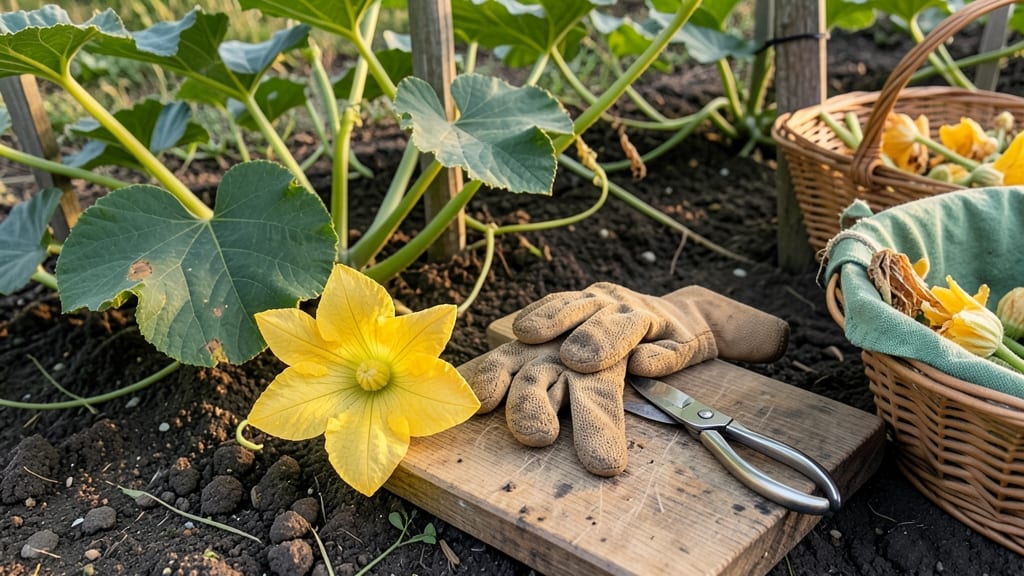
Harvesting squash blossoms at the right moment turns your garden into a gourmet kitchen 🎃 — but timing is everything, and one wrong move can leave you without either flowers or fruit.
Picture this: you’ve spent weeks nurturing your zucchini or summer squash, only to realize the blossoms are either too late or too early to pick. The difference between a perfect meal and wasted effort comes down to knowing when those delicate flowers are at their peak.
Morning harvests yield the freshest, most flavorful blossoms, while evening picks risk missing the window for pollination. And if you’re not careful, you might accidentally damage the plant or skip the best varieties for edible flowers.
In this guide, I’ll walk you through the exact timing, tools, and techniques to harvest squash blossoms without harming your plants — plus how to use them in recipes or preserve them for later.
When to harvest squash blossoms for maximum flavor and pollination
Harvesting squash blossoms at the right time ensures they’re packed with flavor and helps your plants produce more fruit. The best time to pick is early morning, when blooms are fully open and dew has evaporated.
This timing preserves their delicate flavor and prevents wilting before you can use them. Morning harvests also give you the freshest blossoms for cooking or pollination purposes.
Squash blossoms are most flavorful when they’re fully open but haven’t yet started wilting. Look for bright yellow or white petals that are spread wide—this signals peak ripeness. The blossoms should also emit a sweet, subtle fragrance, which is another sign they’re ready for harvest.
If you wait too long, the petals may turn brown or droop, reducing both flavor and pollination potential.
Timing matters because squash plants rely on their blossoms for fruit production. If you harvest too many flowers without ensuring proper pollination, your plant may produce fewer squash. Balance is key: pick enough blossoms for your meals while leaving enough for pollinators like bees to do their job.
Aim to harvest no more than 20-30% of the blossoms on a single plant to maintain fruit yield.
| Factor | Optimal Condition | Why It Matters |
|---|---|---|
| Time of Day | Early Morning (6-9 AM) | Prevents wilting; dew evaporates for freshness. |
| Blossom Color | Fully Open, Bright Yellow/White | Indicates peak flavor and pollination readiness. |
| Fragrance | Sweet, Subtle Scent | Signals maturity and optimal harvest window. |
| Harvest Frequency | 20-30% of Blossoms | Balances flavor needs with fruit production. |
| Avoid After | 4 PM (Heat Stress) | Blossoms wilt faster in afternoon heat. |
Not all squash varieties produce edible blossoms, but popular choices like zucchini, yellow squash, and butternut squash are excellent candidates.
For zucchini, male blossoms (with long stems) are typically harvested for cooking, while female blossoms (with tiny squash at the base) should be left on the plant for fruit production. Always leave at least 3-5 female blossoms per plant to ensure a good harvest of squash.
If you’re harvesting blossoms primarily for pollination purposes, focus on picking male flowers. These lack the tiny squash at their base, making them easier to identify. After harvesting, gently transfer male blossoms to female flowers and shake them to release pollen.
This hand-pollination method is especially useful in greenhouse settings or during cool, rainy weather when bees are less active.
For the best results, use a pair of clean, sharp scissors or pruning shears to snip blossoms just above a leaf node. Avoid tearing the stem, as this can damage the plant and reduce future blossom production.
Once harvested, use squash blossoms immediately or store them in the refrigerator for up to 24 hours to preserve their delicate texture and flavor.
Overharvesting can stress your squash plants, leading to fewer blossoms and reduced fruit yield. If you notice your plant dropping blossoms or producing small, underdeveloped squash, it may be a sign you’re harvesting too aggressively.
Adjust your approach by leaving more flowers on the plant, especially during peak flowering periods in late spring and early summer.
Pay attention to weather conditions, as hot afternoons or humid mornings can affect blossom quality. Harvest on cooler days when temperatures are between 60-75°F for the best flavor and texture.
If you’re growing squash in USDA Zone 6a or warmer, aim to harvest blossoms in the morning during the plant’s active growing season (typically June through August).
Remember that squash blossoms are short-lived once picked, so plan to use them quickly. Whether you’re frying them in batter, stuffing them with cheese, or using them to pollinate your garden, timing your harvest correctly ensures you get the most out of these delicate edible flowers.
With the right approach, you’ll enjoy both flavorful meals and a bountiful squash harvest all season long.
🌱
Step-by-step guide to harvesting squash blossoms without damaging the plant
Harvesting squash blossoms correctly ensures you get the best flavor while keeping your plants healthy and productive. The key is to pick at the right time using the right tools—without causing stress to the plant. Whether you’re harvesting for culinary use or encouraging pollination, precision matters.
Start by choosing the right moment: morning harvests yield the freshest blossoms, and always use clean, sharp tools to avoid tearing stems. Even a small mistake can reduce fruit production, so follow these steps carefully to protect your plants while reaping the rewards of your garden.
- Step 1 Wait for the right time: Harvest male blossoms (with long stems) in the morning when they’re fully open. Female blossoms (with tiny squash at the base) should be left for pollination unless you’re certain you won’t need fruit.
- Step 2 Use clean pruners or scissors: Avoid fingers or dull tools. Cut the stem at a 45-degree angle about 1 inch below the blossom to prevent disease entry and encourage new growth.
- Step 3 Handle gently: Place blossoms in a paper bag or container to keep them dry. Avoid stacking or crushing petals, as this shortens their shelf life.
- Step 4 Leave some for pollination: Never remove more than 30% of blossoms from a single plant. This ensures enough female flowers remain for fruit production.
- Step 5 Store properly: Use blossoms within 24 hours for best flavor. Refrigerate in a sealed container with a damp paper towel to maintain freshness.
After harvesting, inspect your plants for signs of stress like yellowing leaves or dropping blossoms. If you notice these, reduce future harvesting and focus on supporting pollinators like bees to boost fruit set. A healthy plant will reward you with both delicious blossoms and abundant squash.
For gardeners who love zucchini or summer squash, remember that male blossoms appear first and are the best candidates for harvesting. Female blossoms (with tiny squash at the base) should only be picked if you’re certain you won’t need fruit—otherwise, leave them to pollinate and grow.
Pro tip: Use a checklist to track which blossoms you’ve harvested and which remain on the plant. This helps balance your needs for cooking and pollination, ensuring a bountiful harvest all season long. 🌱