
Vegetables
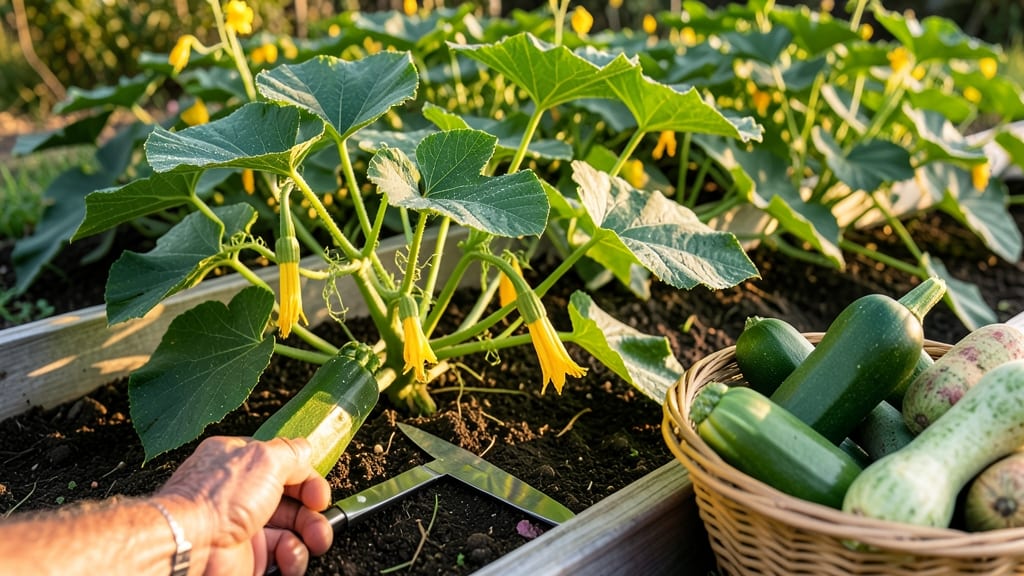
Harvesting summer squash 🎃 at the right moment turns a simple garden task into a game-changer for flavor and texture.
Picking too early means underripe, bitter squash, while waiting too long gives you tough, seedy disappointments. The difference between a perfect harvest and a missed opportunity often comes down to knowing exactly when to reach for your pruners.
You’ll learn three simple tactile tricks—size, skin tenderness, and stem checks—to determine peak ripeness, plus how seasonal timing affects your variety. No more guessing: just confident, delicious squash every time.
From zucchini to yellow squash, I’ll walk you through the signs that say, “Pick me now!” and how to avoid the most common harvest mistakes that waste your hard work.
3 Tactile tricks to identify perfectly ripe summer squash
Summer squash like zucchini, yellow squash, and pattypan reach peak flavor when harvested at the right moment—before they become tough or seedy. The key lies in using your hands and eyes to check for subtle cues that signal readiness.
Unlike winter squash, summer varieties should be picked small and tender, typically between 6-8 inches long, to avoid bitterness or woody texture. I’ve learned the hard way that waiting too long means sacrificing that delicate, buttery taste we all love.
Don’t rely solely on color or size—texture and stem condition are equally important. A perfectly ripe summer squash will have a slight give when pressed gently, a dry stem end, and a skin that’s tender enough to pierce with your thumbnail.
These tactile clues help you avoid the disappointment of overripe squash that’s more suited for storage than the dinner table. Let’s dive into the three foolproof tricks I use every harvest season to ensure I pick my squash at its prime.
🌱 3 Tactile Tricks for Perfectly Ripe Summer Squash
- 1. Thumb Test: Press firmly near the neck of the squash. If the skin gives slightly but doesn’t dent deeply, it’s ready. A firm squash needs more time, while one that dents easily is overripe.
- 2. Stem Check: Look for a dry, woody stem end (not green). This signals the squash is fully mature. A green stem end means it’s still growing and not ready yet.
- 3. Size Guide: Harvest zucchini at 6-8 inches, yellow squash at 5-7 inches, and pattypan when fully colored (usually 3-4 inches wide). Larger sizes mean tougher flesh and more seeds.
Pro Tip: Use a sharp knife or pruners to avoid damaging the vine when harvesting.
For yellow summer squash, the skin should be a vibrant, even hue—no pale spots or streaks. I’ve noticed that pattypan varieties often ripen faster than zucchini, so I check them every 2-3 days during peak season.
The color consistency is a great visual cue, but the thumb test remains my go-to method for confirming ripeness. Overripe squash can develop a hard, fibrous texture and a bitter taste, so timing is everything.
If you’re growing multiple varieties, keep a small harvest journal to track which types ripen fastest in your climate. For example, ‘Golden Zucchini’ often matures 5-7 days earlier than ‘Black Beauty’ zucchini.
Paying attention to these subtle differences helps you stay ahead of the harvest curve. Regular harvesting also encourages your plants to produce more squash, so don’t skip this step!
One common mistake I’ve seen is waiting until squash reaches its maximum size before picking. While it might look impressive, the flavor and texture suffer. For instance, a 12-inch zucchini is often woody and seedy, whereas a 7-inch one is ideal for grilling or sautéing.
The same rule applies to pattypan squash, which should be picked when the ridges are fully defined but still tender.
For container gardeners, space constraints mean you’ll need to harvest even more frequently. Summer squash vines can sprawl, and crowded plants produce smaller, less flavorful squash. If you notice your plants struggling with overcrowding, thin out the vines and harvest every 2-3 days during peak production.
This keeps the plant healthy and ensures a steady supply of tender squash.
Another trick I’ve picked up is to harvest in the morning when the squash is cool and crisp. This makes the thumb test more accurate, as warm afternoon sun can make the skin feel softer than it actually is.
Plus, harvesting early gives you time to prep your squash for meals or storage before the day heats up. I like to place freshly harvested squash in a shady, well-ventilated spot for a few hours to let them firm up slightly before storing.
If you’re unsure whether a squash is ready, cut it open as a last resort. A perfectly ripe summer squash will have minimal seeds and tender flesh. Overripe squash will have a large seed cavity and a harder texture.
While this isn’t ideal, it’s better than ending up with a tough, flavorless squash that’s past its prime. With practice, you’ll develop an instinct for the perfect harvest moment.
Remember, consistency is key when harvesting summer squash. The more you practice these tactile tricks, the easier it becomes to identify the perfect moment. Soon, you’ll be picking squash at its peak tenderness, ready to enjoy in your favorite recipes or share with neighbors. Happy harvesting!
Summer squash harvest timeline: days to maturity by variety
Knowing when to harvest summer squash depends heavily on the variety you're growing. Each type has its own days to maturity, and planting at the right time ensures you'll have tender squash ready for your kitchen when you need them.
For example, zucchini typically matures in just 45–55 days, while yellow squash like 'Golden Zucchini' takes slightly longer at 50–60 days. Understanding these timelines helps you plan your garden layout and succession plantings for a continuous harvest.
Your local climate plays a key role in determining the best planting window. In most regions, summer squash thrives when planted 2–3 weeks after your last frost date, usually between late April and early May.
For example, if your frost date is April 15, aim to plant by May 1. This timing ensures your squash will mature during the warmest months, when they grow fastest and produce the best flavor.
Adjust for cooler climates by starting seeds indoors or using row covers to extend the growing season.
| Variety | Days to Maturity | Best Planting Time | Harvest Window | Notes |
|---|---|---|---|---|
| Zucchini (e.g., 'Black Beauty') | 45–55 days | Late April–May | July–August | Harvest at 6–8 inches |
| Yellow Squash (e.g., 'Golden Zucchini') | 50–60 days | Late April–May | July–August | Skin turns golden when ripe |
| Pattypan (e.g., 'Green Tiffany') | 55–65 days | Late April–May | July–September | Scalloped shape, harvest when firm |
| Crookneck (e.g., 'Early Prolific') | 48–58 days | Late April–May | July–August | Neck curves when mature |
| Summer Crookneck | 50–60 days | Late April–May | July–August | Sweet when fully ripe |
If you're growing multiple varieties, consider planting them in successive batches every 2 weeks. This staggered approach ensures you won’t be overwhelmed with a sudden glut of squash all at once.
For instance, plant zucchini first (maturing in 45–55 days), followed by yellow squash (50–60 days), and finally pattypan (55–65 days). This way, you’ll enjoy a steady supply of fresh squash throughout the summer.
Pay attention to your garden’s microclimate—areas near fences or buildings may warm up faster, allowing for earlier planting. If you notice your squash plants flowering but not setting fruit, it could signal heat stress or insufficient pollinators.
Hand-pollinating with a small brush can help boost production, especially in hotter climates where bees are less active. Keep an eye on the stem ends of your squash; a yellowing stem end often signals it’s time to harvest.
For gardeners in cooler regions, consider using black plastic mulch to warm the soil and extend the growing season. This simple trick can shave off 1–2 weeks from the maturity timeline, giving you an earlier harvest.
Just be sure to remove the mulch once harvests are underway to prevent overheating. With the right timing and care, you’ll be enjoying homegrown summer squash at its peak tenderness all season long.