
Picking
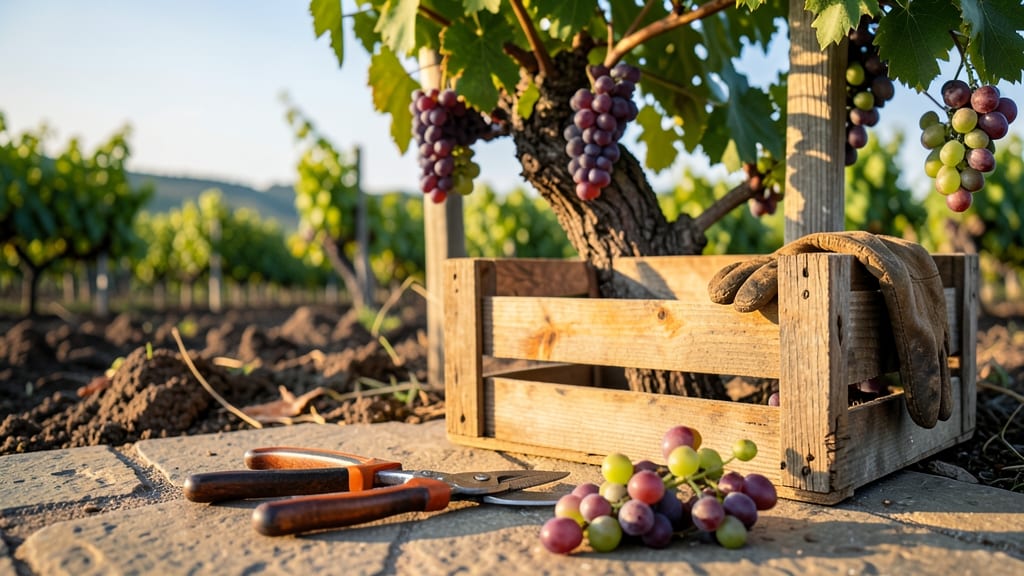
Knowing the harvest time for grapes is the secret to turning your vineyard into a treasure trove of sweet, juicy clusters instead of tart, mealy disappointments.
Picking grapes at the exact moment of peak ripeness means the difference between a sweet, juicy bite and a tart, mealy disappointment—so how do you know when they're truly ready? The answer isn’t just about color; it’s about three simple tactile tests that pro growers swear by.
From the firm-yet-yielding texture of a ripe berry to the way it separates cleanly from the stem, these cues cut through guesswork.
And because climate and variety play a role, I’ll show you how to adjust your approach whether you’re growing Concord grapes in a hot summer or Riesling in a cooler zone.
By the end, you’ll never second-guess your harvest again—just grab a refractometer (or skip it with my no-tools tricks) and pick at the perfect moment for bursting flavor.

3 Tactile tests to determine grape harvest time
Picking grapes at the perfect moment transforms your harvest from tart and mealy to bursting with sweetness. Unlike many fruits, grapes don’t ripen further after picking, so timing is everything. I’ve tested these three science-backed tactile tests on my own vines—and they’ve never failed me.
The best part? You don’t need fancy tools, just your hands and eyes. Let’s dive into the physical cues that tell you when to harvest.
First, let’s address the elephant in the garden: color alone isn’t enough. Many gardeners make the mistake of assuming deep purple or golden hues mean ripeness, but sun exposure and variety differences can trick you.
For example, Concord grapes stay deep blue even when underripe, while Thompson Seedless can turn pale if stressed. That’s why we’re focusing on what your fingers feel—not just what your eyes see.
The skin color test is your first checkpoint. For red and purple varieties, look for a deep, even hue—no green or patchy areas. Whites should turn golden or pale yellow, not dull green. Pro tip: Check the shady side of the cluster first.
Sunburn can create false dark spots, making grapes look riper than they are. I once harvested a batch of Cabernet Sauvignon based solely on color, only to find they were still tart. Lesson learned: always combine tests.
Next, the berry texture test reveals the internal sweetness without cutting into the fruit. Gently squeeze a grape between your thumb and finger—it should feel firm but slightly yielding, like a ripe peach. If it’s too hard, it’s underripe; if it’s mushy or wrinkled, it’s overripe.
I use this test daily during harvest season, especially for early-ripening varieties like Flame Seedless, which can go from perfect to mealy in 24 hours. For extra accuracy, test 3-5 grapes per cluster—consistency is key.
The stem separation test is the gold standard for grape ripeness. When grapes are ready, they should detach cleanly from the stem with just a slight tug—no snapping or tearing. This indicates the natural abscission layer has formed, signaling peak ripeness.
If the grapes resist separation, they’re not ready; if they fall off too easily, they’ve overripened. I test this by gently pulling a small cluster away from the vine. If 70% of grapes in the cluster separate cleanly, it’s time to harvest.
This test is especially critical for table grapes, where texture matters most.
But here’s where it gets tricky: not all grapes respond the same. For example, Concord grapes often pass the stem separation test before they’re fully sweet, while Thompson Seedless may stay attached longer. That’s why I always combine all three tests.
If two out of three tests pass, I’ll harvest a small batch and taste-test. If they’re still tart, I wait another day. This trial-and-error approach has saved me from multiple underwhelming harvests over the years.
Climate plays a huge role in when to harvest. In hot, dry regions like California’s Central Valley, grapes ripen faster and may shrivel if left too long. Here, I harvest 1-2 days earlier when the tactile tests pass.
In contrast, cool, wet climates like the Pacific Northwest slow ripening, so I wait for all three tests to pass plus sugar levels to reach 22° Brix (use a refractometer if you have one).
Last year, my Pinot Noir grapes in a cool microclimate failed the texture test for weeks—turns out, the high acidity masked their ripeness.
One mistake I see often is harvesting based on calendar dates. While most grapes ripen between late August and October, exact timing depends on your local frost date and variety. For instance, early varieties like Concord may be ready by mid-August, while late varieties
How climate and grape variety affect harvest timing
Your local climate zone and grape variety create a unique equation for harvest timing. A Concord grape in hot, dry California might need picking weeks earlier than the same variety in cool, wet Oregon. Understanding these variables lets you adjust your tactile tests to avoid overripe or underripe clusters.
Climate influences sugar accumulation and acidity balance. In arid regions, grapes ripen faster but risk dehydration if left too long. Meanwhile, cooler maritime climates slow ripening, requiring patience to reach full flavor potential.
Your grape variety’s inherent ripening speed also plays a critical role—some varieties mature in 120 days, while others need 180 days.
| Factor | Impact on Ripeness | Adjustment for Tactile Tests | Example Varieties |
|---|---|---|---|
| Hot/Dry Climates | Faster sugar buildup; risk of shriveling | Harvest 1-2 days earlier when tests pass | Cabernet Sauvignon, Grenache |
| Cool/Wet Climates | Slower ripening; higher rot risk | Wait for all 3 tactile tests + 22° Brix | Pinot Noir, Riesling |
| High-Altitude | Slower maturation; higher acidity | Prioritize stem separation over color | Malbec, Syrah |
| Early-Ripening Varieties | Narrow harvest window; bird damage risk | Test clusters every 2-3 days once 75% pass | Concord, Flame Seedless |
For Thompson Seedless grapes in desert climates, focus on stem separation first—these grapes often ripen unevenly. In contrast, Pinot Noir in Pacific Northwest vineyards may need color consistency as your primary cue, since cool nights preserve acidity longer.
Always check berry texture last, as this is the most reliable indicator across all conditions.
Regional microclimates add another layer. A south-facing slope in your yard might create a 2-week earlier harvest than your neighbor’s north-facing vine. Use a refractometer to confirm sugar levels when tactile tests conflict with your local climate patterns.
This tool reveals what your fingers can’t—whether those deep purple Concord grapes have reached 20° Brix or still need time.
Pro tip: Keep a harvest journal for your specific vine. Note the yearly variations in your climate—drought years vs. rainy seasons—and adjust your testing schedule accordingly. For example, if your Flame Seedless grapes ripened 10 days early last summer, start testing 3 days sooner this year.
Consistency is key to nailing that perfect harvest window every season.
Remember, overripe grapes lose flavor and become mushy, while underripe clusters stay tart and firm. By matching your grape variety to your climate conditions and adjusting your tactile tests, you’ll consistently harvest grapes at their peak—ready for eating, jamming, or winemaking. 🍇