
How To
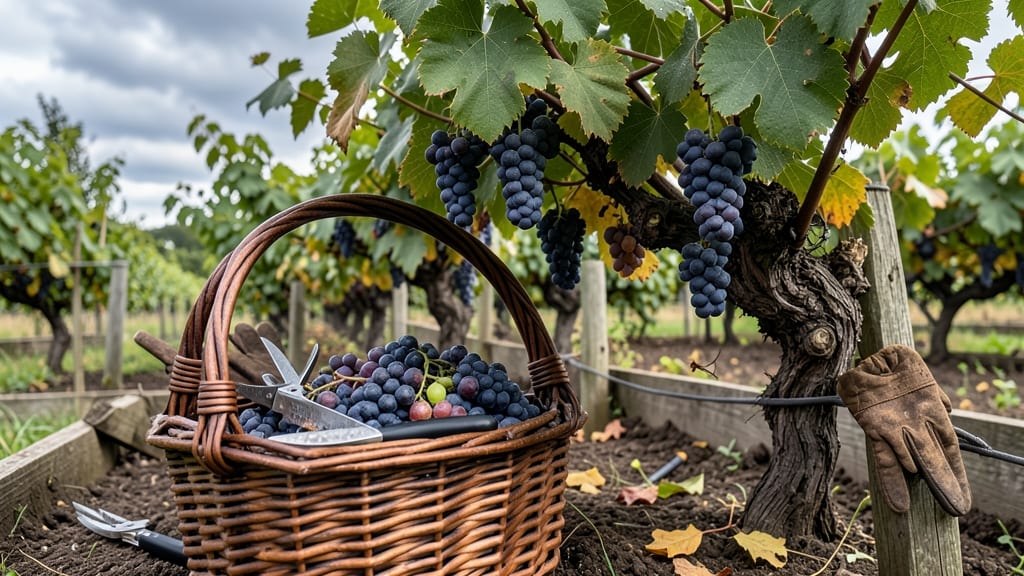
Harvesting Concord grapes at the right time means the difference between rich, jammy flavor and mealy, overripe disappointment — and the key is watching for deep purple color, firm texture, and a clean stem break.
Picture this: you’ve waited all season for those 🍇 clusters to ripen, but one wrong move and you’re left with grapes that turn to mush in your hands. In USDA Zone 6, where frost can sneak in by late October, timing is everything.
Below, I’ll walk you through the exact visual cues to look for — like a color shift from green to deep purple and a sugar test that guarantees peak flavor — plus how to adjust for regional weather quirks.
You’ll also learn the three biggest mistakes that ruin harvests (including why harvesting too early costs you flavor) and how to store or process your grapes for the best results.
How to identify the perfect Concord grape harvest time
Timing your Concord grape harvest is all about reading the vine's signals—not just guessing by the calendar. These grapes ripen late summer to early fall, but overripe fruit turns mealy and loses flavor.
The key is catching them at peak ripeness, when they're deep purple, plump, and ready to detach with a gentle twist. I’ve learned the hard way that waiting too long means shriveled berries, while harvesting too soon gives you tart, underdeveloped fruit.
Start by checking the berry color, which shifts from green to deep purple/black as they ripen. This isn’t just a cosmetic change—it’s a sign the sugar content is peaking. Next, examine the skin firmness: press a grape gently with your thumb.
If it feels firm but yields slightly, it’s ready. If it’s mushy or still hard, hold off for another 3-5 days. Finally, look at the stem attachment: a ripe grape should detach cleanly with a slight twist, while unripe grapes cling tightly.
| Indicator | Not Ready (Green/Red) | Ready (Deep Purple/Black) | Overripe (Mushy/Shriveled) |
|---|---|---|---|
| Berry Color | Green or reddish-purple | Uniform deep purple/black | Dull, wrinkled, or splitting |
| Skin Firmness | Hard or rubbery | Firm but yields slightly | Soft, mushy, or leaking |
| Stem Detachment | Clings tightly; snaps with force | Detaches with slight twist | Drops off easily or rots |
| Berry Size | Uneven, small, or shriveled | Uniform, plump, and full | Shriveled or cracked |
| Taste Test | Tart, underripe | Sweet-tart, balanced | Overly sweet, mealy |
Don’t rely solely on color—some Concord grapes stay greenish in shady spots or cooler climates. Instead, combine the color check with a taste test. Pop a grape into your mouth: ripe ones should be sweet-tart, not tart or overly sweet.
If you’re unsure, wait 24 hours and recheck. Patience here prevents wasted harvests.
Watch the vine’s maturity too. Mature vines produce fruit that ripens more uniformly, while young vines may have uneven ripening. If your vine is 3+ years old, focus on the first clusters to ripen—they’re usually the sweetest.
For younger vines, you might need to harvest in stages, picking the ripest clusters first and leaving the rest to follow.
Weather plays a sneaky role too. Hot, dry spells can concentrate sugars faster, while cool, rainy weather slows ripening. In USDA Zone 6, aim for late August to mid-September, but adjust based on your local climate.
If frost threatens, harvest immediately—even slightly underripe grapes are better than frost-damaged fruit.
Pro tip: Harvest on a cool morning after dew has dried. This keeps grapes firm and fresh longer. Use sharp pruning shears or harvesting scissors to avoid crushing berries. Cut the stem 1-2 inches from the cluster to prevent disease from spreading back to the vine.
I like to place clusters in shallow trays lined with paper towels to catch any drips and keep them organized.
Once you’ve harvested, store grapes in a single layer in the fridge for up to 2 weeks. For longer storage, freeze them or process into jam, jelly, or wine. Overripe grapes? Use them for baking or fermenting—just don’t waste them!
The key to a successful harvest is consistency: check your vines every 2-3 days during peak season. That way, you’ll never miss the perfect window.
If you’re still unsure, grab a refractometer (a tool that measures sugar content). Concord grapes should read 20-24 Brix at peak ripeness. This is the surefire way to confirm ripeness, especially if you’re growing grapes for winemaking or jam.
But even without one, your eyes, fingers, and taste buds are reliable guides—trust them!
Remember, every vine is unique. What works for my Zone 6 Concord might differ slightly in warmer climates. Pay attention to your specific vine’s ripening patterns, and soon you’ll harvest like a pro—with grapes so perfect, they’ll make your neighbors jealous. Happy harvesting! 🍇
Sugar and acidity tests for Concord grapes: the definitive guide
Determining the perfect moment to harvest your Concord grapes depends on more than just color—sugar content and acidity levels are critical for jam, wine, or fresh eating. Aim for 20-24 Brix (sugar) and pH 3.0-3.5 (acidity) to balance sweetness and tang.
These tests ensure your grapes reach their full flavor potential without turning mushy or overly tart.
For precise measurements, a refractometer is your best tool to check Brix levels. This handheld device measures dissolved sugars in the grape juice, giving you an exact reading. Taste tests also work well—ripe Concord grapes should taste sweet with a slight tartness, not overly sugary or sour.
Pair these methods with pH strips to confirm acidity, which affects both flavor and preservation.
| Test Type | Ideal Range | Tools Needed | Best For |
|---|---|---|---|
| Brix Test | 20-24 Brix | Refractometer | Jam, wine, fresh eating |
| pH Test | 3.0-3.5 | pH strips | Flavor balance, preservation |
| Taste Test | Sweet-tart | Palate | Quick quality check |
To perform a Brix test, crush a few grapes and place the juice on the refractometer’s prism. Close the lid and read the measurement through the eyepiece. 20-24 Brix is ideal for Concord grapes—anything below 20 may lack sweetness, while above 24 can indicate overripeness.
For pH testing, crush grapes and dip a pH strip into the juice, comparing it to the color chart. A reading of 3.0-3.5 ensures the right balance of acidity for flavor and shelf life.
If you’re harvesting for wine-making, aim for the higher end of the Brix range (22-24) to develop richer flavors during fermentation. For jam or fresh eating, 20-22 Brix strikes the perfect balance.
Always test multiple clusters—sugar levels can vary even within the same vine due to sun exposure or vine health. Harvest on a cool morning after dew has dried to get the most accurate readings.
Overripe grapes with high Brix (>24) or low acidity (pH >3.5) will lack the bright, tangy flavor Concord grapes are known for. Conversely, underripe grapes (Brix <20) may taste bland or overly tart.
Keep a harvest journal to track Brix and pH levels over the season—this helps you predict the perfect harvest window in future years. Pair your tests with the visual cues (like deep purple color and easy stem separation) for foolproof results.
For home gardeners without a refractometer, a simple taste test works in a pinch. Compare grapes from different clusters—ripe Concord grapes should taste sweet with a crisp, refreshing tartness. If they taste flat or overly sweet, they’re likely overripe.
Store harvested grapes in a cool, dark place (like a fridge) for up to 2 weeks to preserve their freshness and flavor until you’re ready to use them.