
How To
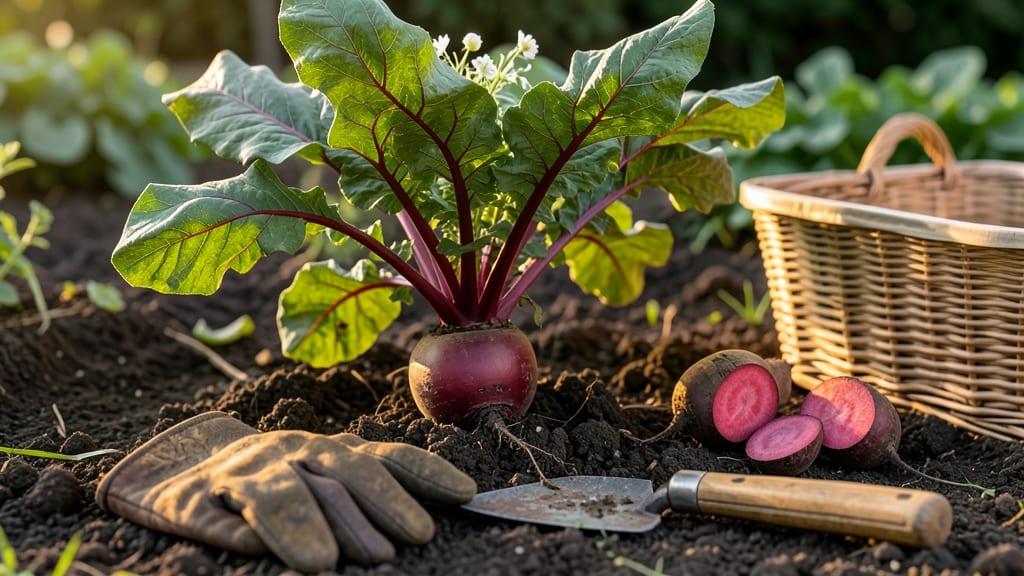
Harvesting beets at the right time ensures tender, sweet roots instead of tough, woody ones — and the key is knowing how long to harvest beets before they overmature.
Picture this: you’ve spent weeks tending your 🍠 beets, and now you’re staring at a patch of earth, wondering if those roots are ready. Too soon, and they’re undersized; too late, and they turn bitter.
The difference between a perfect harvest and a wasted crop often comes down to days, not weeks.
Most beet varieties reach peak flavor between 45 and 70 days, but size, color, and soil conditions all play a role. A golf-ball-sized root with vibrant foliage? That’s your cue. A firm skin that resists gentle pressure?
Even better. Below, I’ll break down the exact signals to watch for — and how to avoid the common mistakes that turn your harvest into a gamble.
You’ll learn how to test soil hardness for the perfect dig, adjust for baby beets vs. full-sized roots, and even troubleshoot over-mature crops. By the end, you’ll know exactly when to pull those 🍠 beets for the sweetest, most flavorful results — every time.
How to determine beet harvest time by size and color
Harvesting beets at the right moment ensures sweet, tender roots instead of tough, woody ones. Most varieties reach maturity between 45-70 days after planting, but exact timing depends on your goals—whether you're growing baby beets or full-sized roots.
The key is watching for three visual cues: root size, leaf color, and soil conditions. Let’s break down how to spot these signs so you never miss the perfect harvest window.
First, consider the growth stage of your beets. Baby beets are ready when they’re about 1-2 inches wide and resemble golf balls in size. For full-sized beets, aim for roots that are 2-3 inches in diameter—this is when they’re at peak flavor and texture.
The leaves also tell the story: healthy, vibrant foliage signals a ready-to-harvest beet, while yellowing or wilting leaves mean it’s past its prime.
Color consistency is another critical clue. Deep, even hues—whether crimson red, golden yellow, or striped—indicate maturity. Uneven coloring or pale patches suggest the beet isn’t fully developed. For striped varieties like Chioggia, the rings should be distinct and vibrant, not fading. Pay attention to these visual cues to avoid harvesting too early or too late.
| Stage | Days After Planting | Root Size | Leaf Height | Color Clues |
|---|---|---|---|---|
| Baby Beets | 45-50 | 1-2 inches | 4-6 inches | Deep, even hues |
| Full-Sized | 60-70 | 2-3 inches | 6-12 inches | Vibrant, consistent |
| Over-Mature | 70+ | 3+ inches | 12+ inches | Pale, woody texture |
For Detroit Dark Red or similar classic varieties, aim to harvest when the roots are 2-3 inches wide and the leaves reach 6-8 inches tall. These beets develop a rich, deep color that’s impossible to miss.
If you’re growing golden beets, watch for a buttery yellow hue and a firm texture—these are often ready slightly earlier, around 55-60 days. Striped varieties like Chioggia should have bold, defined rings and a diameter of about 2 inches for the best flavor.
Don’t overlook the soil condition as a final check. Gently squeeze the beet’s skin—if it feels firm but not hard, it’s ready. A soft skin means it’s underripe, while a hard, woody feel signals it’s past its prime.
Pro tip: Harvest on a dry, sunny day to make digging easier and reduce soil sticking to the roots. This small step can save you time and frustration later.
Timing your harvest correctly also affects storage potential. Beets harvested at peak maturity store better in the fridge for up to 2 weeks or can be cured and stored in a cool, dark place for months.
Over-mature beets, on the other hand, spoil quickly and develop a bitter taste. Keep an eye on your garden’s progress and use the size and color guide above to stay on track.
If you’re unsure whether your beets are ready, dig up one and check its size and texture. This test harvest gives you a clear idea of what’s left to grow. For example, if your sample beet is smaller than a golf ball, give it another week.
If it’s already larger than a tennis ball, it might be time to harvest the whole batch before they become too tough.
Seasonal timing matters too. Spring-planted beets often mature faster in warmer soil, while fall-planted varieties may take longer due to cooler temperatures. Adjust your expectations based on your local climate and the specific variety you’re growing.
For instance, in Zone 6a, spring beets might be ready by early June, while fall beets could extend into October.
Remember, the earlier you harvest, the sweeter and more tender your beets will be. Baby beets are a great way to enjoy them at their peak, but full-sized roots offer a heartier flavor.
Balance your goals with the visual cues we’ve discussed, and you’ll always know exactly when to pull those vibrant roots from the soil.
Now that you’re equipped with the right knowledge, head to your garden and enjoy the rewarding process of harvesting perfectly timed beets—just in time for your favorite recipes or storage prep! 🌱
The soil hardness test: when to dig for perfect beets
Harvesting beets at the perfect moment ensures sweet, tender roots instead of tough, fibrous ones. One of my favorite tricks is the soil hardness test, which reveals when beets are ready to pull.
This method works especially well for baby beets (harvested at 45-50 days) and full-sized roots (60-70 days). The key is checking the soil's resistance—not just guessing by days planted.
To perform the test, gently press your thumb into the soil around the beet plant. If the soil feels firm but not hard and resists slight pressure, the roots are likely mature. For baby beets, aim for a slightly softer feel since their roots are smaller.
This tactile check works best in dry soil—after a light rain or watering, wait 24 hours to avoid false readings.
⚠️ WARNING: Over-Mature Beets ⚠️ Harvest too late, and your beets will develop woody texture and bitter flavors. If the soil feels rock-hard when pressed, your beets have likely bolted (gone to seed) or become inedible.
For fall-planted beets, monitor soil hardness closely—cold temperatures can slow root growth, delaying maturity. Always harvest before the first frost (October 30 in Zone 6a) to avoid damage.
For baby beets, dig when the roots reach 1-2 inches in diameter—they’ll be tender and sweet. For full-sized beets, wait until they’re 2-3 inches wide and the soil hardness test confirms readiness.
Use a hand fork to loosen soil before pulling to avoid breaking delicate roots. Store harvested beets in a cool, dark place (40-50°F) for up to 2 weeks.
Pro tip: If your beets are uneven in size, harvest the largest ones first and leave smaller ones to mature. This staggered approach ensures a continuous harvest. For Chioggia beets (striped varieties), the soil hardness test is especially critical—their thin skins can tear easily if overgrown.
Always harvest on a dry day to make digging easier.
Troubleshooting: If your beets feel soft or mushy when pressed, they’re underripe. Wait 5-7 days and retest. For hard, woody beets, the damage is done—save them for pickling or compost. Regularly checking soil hardness (every 3-5 days near harvest time) prevents over-maturity and guarantees the best flavor.
Remember, the soil hardness test is your secret weapon for perfect beets—no more guesswork, just delicious, homegrown roots every time. Pair this method with visual cues (leaf size, color vibrancy) for foolproof results. Happy digging! 🌱