
How To
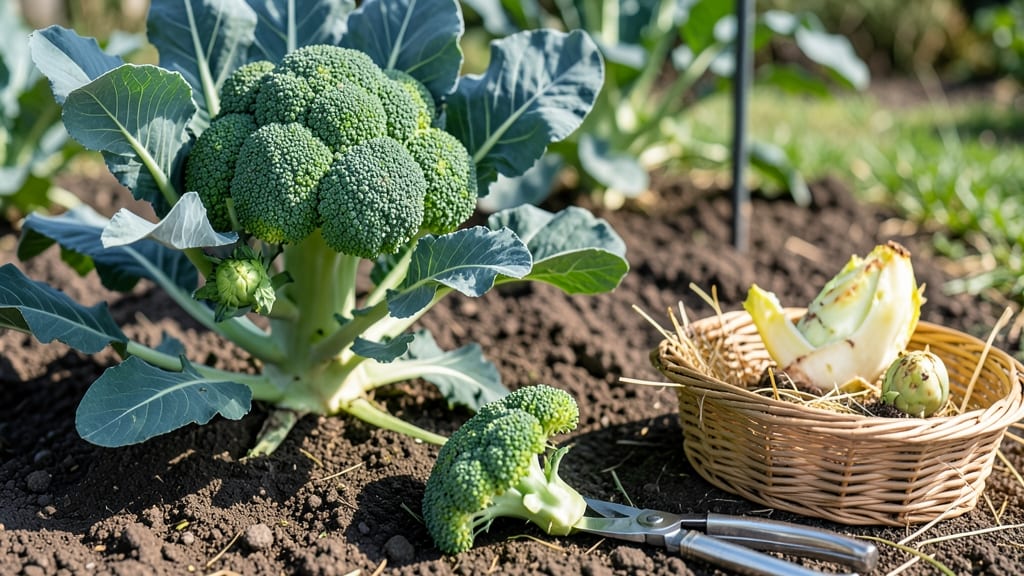
You can harvest broccoli two to five times in a single season with the right care, turning one plant into a steady source of fresh florets for weeks.
Did you know your broccoli plant could produce multiple harvests in a single season? With the right techniques, you can extend your harvest window and enjoy fresh, homegrown broccoli for weeks longer than you think. But how exactly does this work—and what’s the secret to maximizing your yield?
Most gardeners stop at the first harvest, missing out on the side shoots that develop after cutting the main head. These smaller florets, often called "baby broccoli," can be just as tender and flavorful.
The key lies in timing—harvesting the main head at the right moment and giving the plant the nutrients and water it needs to regrow.
In this guide, I’ll walk you through the science behind broccoli regrowth, step-by-step methods to encourage extra harvests, and common mistakes that can ruin your second (or third!) attempt. Whether you’re growing 🥦 in spring or fall, these tips will help you get the most out of every plant.
How many times can you harvest broccoli: the science of cut-and-come-again
Broccoli isn’t just a one-harvest wonder—it’s a cut-and-come-again superstar! After harvesting the main head, your plant can produce 2 to 5 smaller side shoots over weeks or even months.
This biological trick relies on the plant’s ability to redirect energy from the main stem to lateral buds after the primary head is removed. Think of it like a second act for your broccoli—if you give it the right care.
The number of harvests depends on variety, growing conditions, and timing. Cool-season varieties like ‘Calabrese’ or ‘Waltham 29’ often yield 3-5 harvests, while heat-tolerant types might produce fewer.
The key is understanding how your plant responds to light, water, and nutrients after the first cut. Let’s break down the science—and how you can maximize your plant’s potential.
🌱
| Harvest Factor | Details | Impact on Regrowth |
|---|---|---|
| Number of Harvests | 2–5 harvests per plant | Depends on variety and care |
| Time Between Harvests | 3–6 weeks | Shorter gaps = more total harvests |
| Sunlight Needs | 6+ hours daily | Insufficient light = stunted regrowth |
| Temperature Range | 50–75°F (ideal) | Heat >85°F stops regrowth |
| Watering Requirements | 1–1.5 inches/week | Drought stress = bitter side shoots |
| Nutrient Needs | Balanced 5-10-10 fertilizer | Deficiencies = weak regrowth |
When you harvest the main broccoli head, you’re essentially signaling the plant to shift its energy to axillary buds along the stem. These buds, hidden in the leaf axils (the junction where leaves meet the stem), will develop into smaller side shoots.
The first side shoot typically appears 3–4 weeks after cutting the main head, with subsequent shoots following every 2–3 weeks, provided conditions are ideal.
The size and quality of these side shoots depend on how well you’ve maintained the plant. For example, if your broccoli gets consistent sunlight and moisture, the side shoots will be larger and more flavorful.
But if the plant is stressed—whether from heat, drought, or poor soil—the regrowth may be sparse or bitter. That’s why timing your harvests right is crucial.
💧
Environmental factors play a huge role in how many times you can harvest. For instance, cool-season broccoli thrives in temperatures between 50–75°F. If your region hits 85°F or higher, the plant may bolt (send up a flower stalk) instead of producing side shoots.
Similarly, insufficient sunlight (less than 6 hours daily) weakens regrowth, while overwatering or poor drainage can lead to root rot, killing the plant before it can recover.
Even the time of day you harvest matters. Cutting the main head in the morning gives the plant the rest of the day to recover, while harvesting in the evening can stress it.
Always use a clean, sharp knife to avoid damaging the stem, which can introduce diseases that hinder regrowth.
☀️
Not all broccoli varieties are created equal when it comes to regrowth. Sprouting broccoli (like ‘Calabrese’) is the best for cut-and-come-again because it naturally produces multiple heads. Other types, such as Romanesco or broccolini, may only yield one or two harvests.
If you’re growing broccoli for extended harvests, choose a variety labeled as “cut-and-come-again” or “sprouting” for the best results.
To encourage the most side shoots, focus on three key practices: consistent watering, balanced fertilization, and proper spacing. Crowded plants compete for resources, leading to smaller side shoots. Aim to space your broccoli 18–24 inches apart to give each plant room to recover and regrow.
✂️
Step-by-step guide to maximizing broccoli regrowth for extra harvests
After harvesting your main broccoli head, your plant isn’t done producing! With proper care, you can coax 2-5 additional harvests from a single plant. The key is timing—cutting at the right moment and giving the plant the nutrients it needs to regrow.
I’ve learned that side shoots (smaller florets) develop after the main harvest, but only if the plant stays healthy.
To maximize regrowth, focus on three critical steps: pruning correctly, maintaining consistent moisture, and providing balanced nutrients. Skipping any of these can stunt regrowth or even kill the plant.
For example, cutting too late or underwatering can leave your broccoli struggling to recover, while over-fertilizing can burn the roots.
Step-by-Step Guide to Encouraging Broccoli Regrowth
- Step 1: Harvest the main head at the right time
Cut the central floret when it’s 4-6 inches wide and tightly packed. Use a sharp knife to avoid damaging the stem.
- Step 2: Trim side shoots as they form
After 2-3 weeks, small side shoots will appear. Harvest these when they’re 2-3 inches wide to encourage more growth.
- Step 3: Fertilize lightly after harvest
Apply a balanced fertilizer (5-10-10) 1 week after cutting the main head. Use 1 tbsp per plant to avoid overfeeding.
- Step 4: Water consistently (1-1.5 inches per week)
Keep soil moist but not soggy, especially during hot weather. Water in the morning to reduce fungal risks.
- Step 5: Monitor for pests and diseases
Check for aphids or cabbage worms. Remove pests manually or use neem oil if needed.
- Step 6: Repeat for 2-3 more harvests
Continue harvesting side shoots until fall frost or when the plant bolts (sends up a flower stalk).
One common mistake I see is waiting too long to harvest side shoots. If left unchecked, they’ll grow bitter or bolt. Always cut them when they’re tender and compact—this encourages the plant to produce even more shoots.
For example, in my garden, I harvest side shoots every 10-14 days during peak season.
Signs that regrowth is failing include yellowing leaves, stunted shoots, or a woody stem. If you notice these, check for underwatering, over-fertilizing, or pests. Adjust your care immediately—sometimes a simple boost of compost tea can revive a struggling plant.
In my experience, broccoli regrowth thrives when given consistent care and attention to detail.
With these steps, you’ll extend your harvest season and enjoy fresh broccoli for weeks longer than expected. Plus, you’ll save space and resources by maximizing each plant’s potential. Happy gardening!