
How To
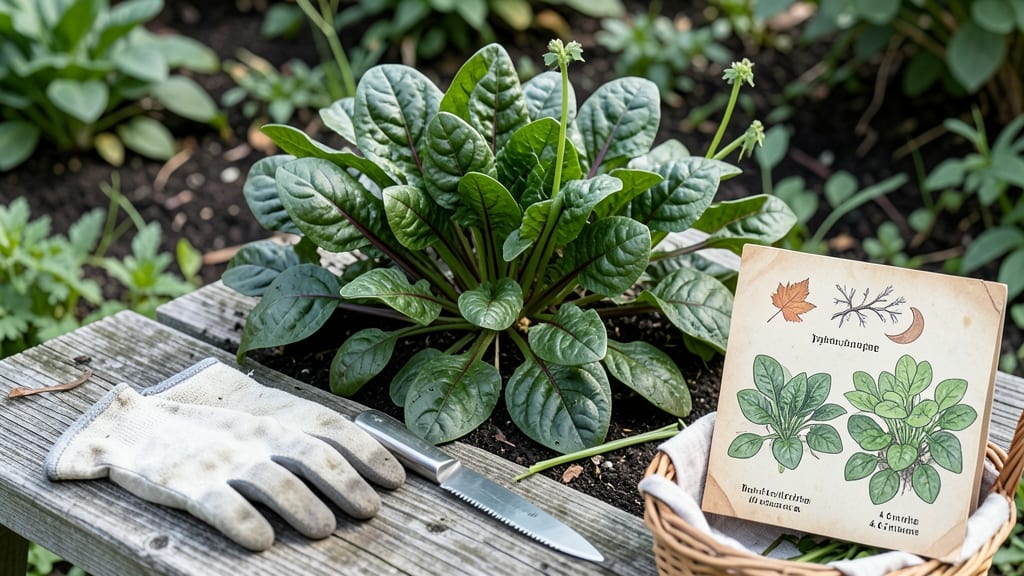
You can harvest spinach up to three or more times in a season by mastering the cut-and-come-again method 🍃 — a game-changer for home gardeners who want fresh greens without replanting.
Wondering why your spinach keeps growing back after harvests? With the right technique, you can enjoy three or more harvests from a single planting—saving money and space while maximizing your garden’s yield.
The key lies in timing and care: harvest outer leaves when they reach 4-6 inches, leaving the inner leaves to regrow. This method works best in USDA Zone 6a during spring plantings (March-April) or late summer (August-September).
In this guide, I’ll break down the science behind regrowth, share step-by-step harvesting tricks, and reveal common mistakes that kill your second (or third!) harvest. Let’s turn your spinach patch into a year-round green machine.
How many times can you harvest spinach: the science behind cut-and-come-again
Spinach is one of nature’s most generous leafy greens, offering gardeners the chance to harvest three or more times from a single planting. This cut-and-come-again method relies on the plant’s ability to regrow after strategic harvesting, but it’s not just luck—it’s rooted in biological science.
Understanding how spinach regenerates helps you maximize yields without stressing the plant.
The key lies in spinach’s rosette growth habit. When you harvest outer leaves, the plant redirects energy to new growth from the basal meristems at the plant’s base. This process works best when you leave the central growing point intact, allowing the plant to recover and produce fresh leaves.
Think of it like trimming your hair—cutting strategically encourages fuller regrowth.
Most gardeners achieve 3-4 harvests per planting cycle, but with ideal conditions—like cool temperatures, rich soil, and proper spacing—you can push that to 5 or more harvests. The secret?
Timing. Your first harvest typically occurs 4-6 weeks after planting, when leaves reach 4-6 inches in length. This aligns with spinach’s ideal maturity window for baby leaves or tender greens.
Here’s where the science gets interesting: spinach varieties behave differently. Baby leaf varieties (like 'Baby’s Leaf Hybrid') regrow faster after harvests because they focus energy on producing small, tender leaves. In contrast, mature leaf types (like 'Bloomsdale Long Standing') take longer to recover but yield larger, heartier leaves.
Your choice depends on whether you prioritize quantity or size in your harvests.
| Factor | Baby Leaf Varieties | Mature Leaf Varieties |
|---|---|---|
| Harvest Frequency | Every 2-3 weeks (3-5 harvests) | Every 3-4 weeks (2-4 harvests) |
| Regrowth Time | 2-3 weeks | 4-6 weeks |
| Leaf Size at Harvest | 2-4 inches | 6-12 inches |
| Best For | Quick, frequent harvests | Large, flavorful leaves |
| Stop Harvesting When | Leaves bolt (flower stalk) | Leaves turn bitter or yellow |
The ideal harvest window for spinach spans 4-6 weeks after planting, but this varies based on your climate. In cooler regions (USDA Zones 3-6), you can extend harvests into late spring or early fall by planting succession crops every 2-3 weeks.
In warmer zones, focus on fall plantings to avoid the heat, which causes spinach to bolt prematurely.
Knowing when to stop harvesting is just as critical as when to start. Watch for signs like yellowing leaves, flower stalks (bolting), or leaves that taste bitter—a clear signal the plant is shifting energy to reproduction.
If you harvest too aggressively or ignore these cues, you’ll weaken the plant, reducing future yields. Aim to leave at least one-third of the foliage intact after each harvest to maintain the plant’s energy reserves.
Soil health plays a huge role in spinach’s ability to regrow. Spinach thrives in loamy, well-draining soil with a pH of 6.5-7.0. Before planting, amend your soil with compost or aged manure to provide essential nutrients like nitrogen (for leaf growth) and potassium (for root strength).
A soil test can reveal deficiencies early, allowing you to adjust with organic fertilizers like fish emulsion or kelp meal.
Light conditions also influence regrowth. While spinach tolerates partial shade, it performs best with 4-6 hours of morning sun. Too much afternoon sun in hot climates can stress the plant, leading to rapid bolting.
If you’re growing spinach in containers, place them in a spot that gets dappled sunlight or use shade cloth during peak heat. This balance ensures your spinach keeps producing tender, crisp leaves rather than tough, fibrous ones.
One common misconception is that you can harvest spinach indefinitely. In reality, most plants will deplete their energy reserves after 4-5 harvests, especially if not given proper care. To extend the season, consider succession planting: sow new seeds every 2 weeks in spring or 3 weeks in fall.
This way, you’ll always have fresh spinach while giving each plant enough time to recover between harvests.
By mastering the cut-and-come-again method, you’ll transform your spinach patch from a one-time harvest to a continuous green machine. Pay attention to the plant’s signals, adjust your techniques based on variety and climate, and soon you’ll be enjoying bountiful, homegrown spinach all season long. 🥬✂️🌱
Step-by-step spinach harvesting techniques for maximum regrowth
Harvesting spinach the right way is the secret to getting three or more harvests from a single planting. The key is using the cut-and-come-again method, which encourages regrowth by leaving the plant's center intact.
This technique works best when you harvest outer leaves first, allowing the inner leaves to continue growing.
Timing is everything—wait until your spinach leaves reach 4-6 inches in length before harvesting. Younger leaves (baby spinach) can be harvested earlier, but mature leaves will give you the best regrowth potential. Always use clean, sharp tools to avoid damaging the plant and spreading disease.
How to Harvest Spinach for Maximum Regrowth
- Step 1: Choose the right leaves – Select outer leaves that are 4-6 inches long and dark green.
- Step 2: Use clean tools – Grab sharp scissors or a pruning knife to avoid tearing leaves.
- Step 3: Cut at the base – Snip leaves 1 inch above the soil to leave the stem intact for regrowth.
- Step 4: Leave the center – Never remove more than 1/3 of the plant to ensure healthy regrowth.
- Step 5: Water immediately – Give the plant 1 inch of water after harvesting to support recovery.
- Step 6: Fertilize lightly – Apply balanced fertilizer (10-10-10) every 4-6 weeks to boost growth.
After harvesting, keep an eye out for new growth emerging from the center. Healthy regrowth will appear within 2-3 weeks, especially if you maintain consistent watering and fertilization. Avoid harvesting again until you see fresh leaves reaching 3-4 inches in length.
For fall plantings, you can often get a second harvest before the first frost. Stop harvesting when leaves start to yellow or bolt—this signals the end of the plant's productive cycle. In warm climates, spinach may even regrow after a light frost, giving you an extra harvest.
Pro tip: If your spinach starts to bolt (send up flower stalks), it’s time to pull the plant. Bolting means the leaves will turn bitter, and the plant won’t regrow well. Always harvest before this happens to maximize your yield.
With these techniques, you’ll turn your spinach patch into a year-round green machine, enjoying fresh harvests well into the season. Happy harvesting! 🥬