
How To
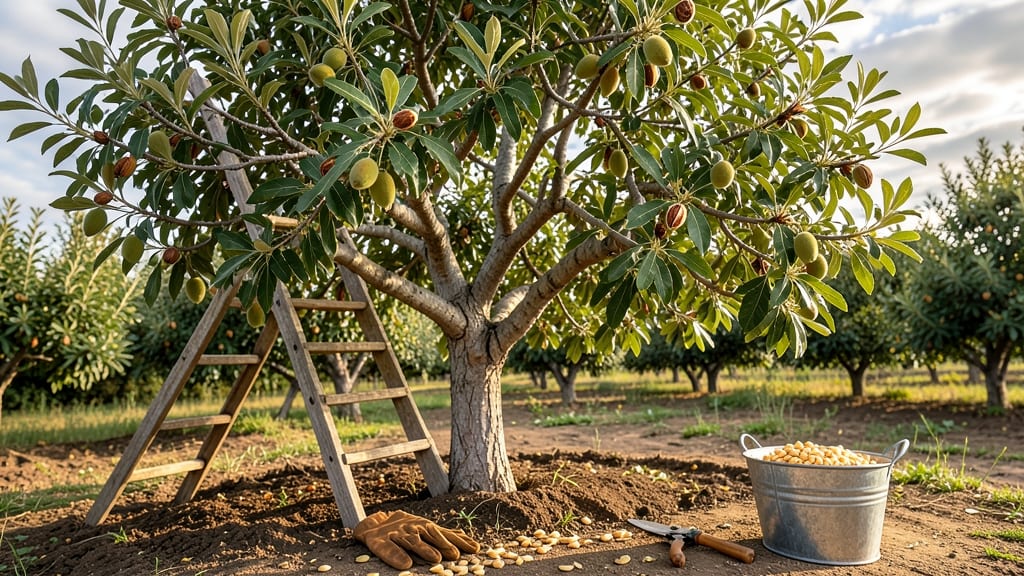
Harvesting almonds when the shells crack open 🌰 is the key to getting plump, flavorful nuts—if you time it right, the nuts drop easily, and if you miss it, they shrivel or attract pests.
Picture this: you’re standing under a towering almond tree in late summer, and the ground is littered with fallen nuts. That’s the moment you’ve been waiting for—but how do you know it’s really the right time?
Too early, and the nuts won’t be fully developed; too late, and they’ll spoil before you can collect them.
In this guide, I’ll walk you through the exact signs to look for (like hull color and nut firmness), the best tools to use, and even how to handle post-harvest drying so your almonds stay fresh for months.
Whether you’re a backyard grower or managing a small orchard, these tips will make your harvest easier and more rewarding.
We’ll also cover common mistakes—like waiting too long or harvesting in wet weather—and how to fix them so you don’t lose a single nut. Ready to turn your tree’s bounty into a smooth, stress-free process? Let’s get started.
Perfect timing for harvesting almonds when shells crack open
Harvesting almonds at the right moment ensures you get high-quality nuts with minimal damage. The key is watching for shell cracks and natural detachment—these visual cues signal peak ripeness. Miss this window, and you risk underdeveloped nuts or overripe ones that spoil quickly.
For me, timing is everything, especially in USDA Zones 7-10, where late summer to early fall marks the harvest season.
Almond hulls start as green and firm but gradually turn brown and papery as they mature. When the hulls split open naturally, that’s your green light to harvest. The nuts inside should feel hard and fully formed, not soft or hollow.
Ignoring these signs can lead to premature harvesting, which yields nuts that won’t store well or taste their best.
Environmental factors like heat and humidity play a huge role in harvest timing. In dry climates, hulls split faster, while high humidity can delay the process. For example, my Nonpareil variety typically harvests in late September, but a Fritz variety might wait until early October.
Always check your specific almond tree variety for localized guidance.
One of the most reliable signs is when nuts begin dropping to the ground naturally. If you see a few nuts on the soil beneath the tree, it’s time to act. This natural drop reduces the risk of shell damage during harvest.
Pro tip: Shake the branches gently to encourage more nuts to fall—just don’t go overboard, or you might harm the tree.
| Sign | Description | Action |
|---|---|---|
| Hull Color | Brown and papery | Check for cracks |
| Shell Hardness | Firm and fully developed | Harvest within 1-2 weeks |
| Nut Drop | Few nuts on ground | Shake branches gently |
| Leaf Condition | Brown and falling | Harvest soon |
| Environment | Dry, warm weather | Harvest in morning |
Temperature also affects harvest timing. In hot, dry conditions, hulls split faster, so monitor your trees daily. If rain is forecasted, harvest immediately to avoid mold or rot.
I’ve learned the hard way that waiting for perfect weather can mean losing your entire crop to pests or spoilage. Always prioritize dry, sunny days for harvesting.
Different almond varieties mature at slightly different times, so knowing your tree’s specific needs is crucial. For instance, Butte variety almonds are ready earlier than Carmel variety.
If you’re unsure, pick a few nuts from different branches and taste-test them. The nut should have a rich, developed flavor, not a bland or bitter taste.
One common mistake is harvesting too late, which leads to overripe nuts that attract pests like squirrels or rodents. These critters can strip your tree bare overnight. To prevent this, harvest as soon as the hulls crack, even if not all nuts are ready.
You can always leave a few behind for a second harvest if needed.
For commercial growers, timing is even more critical. A delayed harvest can mean lower market value due to damaged or spoiled nuts. Always have your harvesting tools ready—like ladders, nets, and gloves—and be prepared to work quickly.
The sooner you harvest, the better the quality of your almond crop will be.
Finally, keep an eye on the moisture levels in the nuts. If they feel damp or sticky, they’re not ready. Fully ripe almonds should have a dry, papery hull that splits easily with your fingers.
This dryness is a clear sign that your almonds are harvest-ready and will store well for months.
Step-by-step guide to harvesting almonds easily from the tree
Harvesting almonds from your tree can feel overwhelming, but with the right tools and techniques, you’ll collect a high-quality crop with minimal effort. The key is timing—wait until the hulls split open and nuts begin falling naturally.
This usually happens in late summer to early fall, depending on your climate zone.
Before you start, gather essential tools like a sturdy harvesting ladder, thick harvesting gloves, and large canvas harvesting bags to collect nuts without damaging them. For larger trees, consider a mechanical tree shaker or a long-handled beater to loosen nuts from higher branches safely.
How to Harvest Almonds in 5 Easy Steps
-
Step 1: Check Readiness
Look for split hulls and nuts that easily detach. Press a few nuts—if they’re hard and fully formed, it’s time to harvest. -
Step 2: Spread Harvesting Nets
Lay canvas or mesh nets beneath the tree to catch falling nuts. Secure edges to prevent nuts from rolling away. -
Step 3: Shake Branches Gently
Use a long-handled beater or shake branches manually to dislodge nuts. Avoid aggressive shaking to prevent shell cracks. -
Step 4: Collect Nuts Promptly
Gather nuts from nets into breathable bags to prevent moisture buildup. Sort out any damaged or partially shelled nuts immediately. -
Step 5: Dry and Store Properly
Spread nuts in a single layer in a dry, shaded area for 3-5 days to dry. Store in airtight containers in a cool, dark place.
For small-scale growers, hand-picking is ideal—it reduces damage and allows you to inspect each nut. If you’re dealing with a large almond orchard, invest in a mechanical harvester or hire help to speed up the process. Always prioritize gentle handling to avoid bruising the nuts.
After harvesting, monitor for pests like squirrels or rodents that may target your stored almonds. Consider storing nuts in mesh bags or sealed containers to deter critters. With these steps, you’ll enjoy a plentiful, high-quality harvest every season!
Pro tip: Harvest on a dry, sunny day to speed up drying and reduce the risk of mold. Avoid harvesting after rain to prevent shell rot or spoilage.