
How To
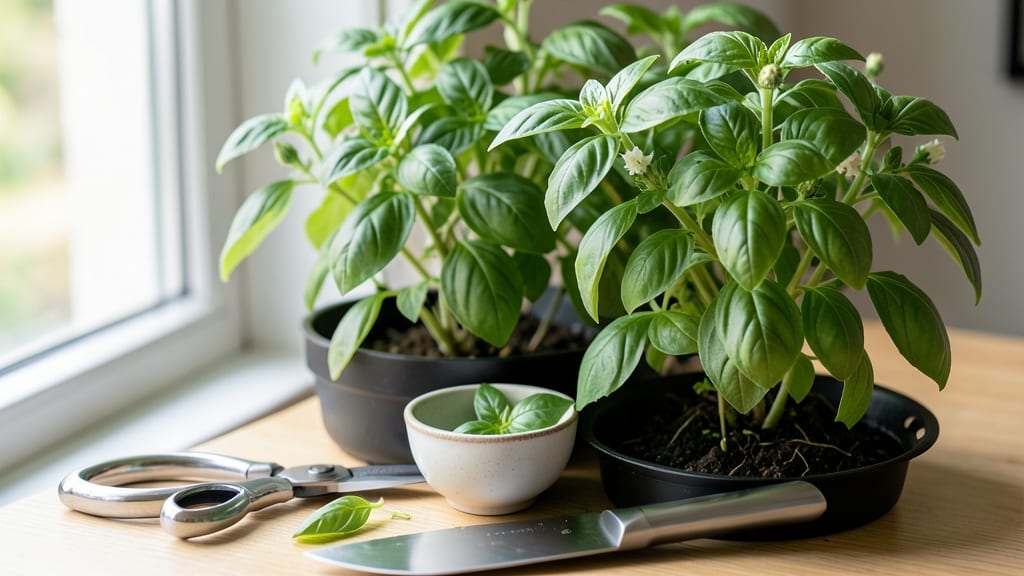
Harvesting basil the right way keeps your 🌿 plants thriving and your kitchen bursting with flavor—no more brittle leaves or wasted stems.
There’s nothing worse than snapping basil stems only to watch the leaves crumble into your hands. But with the right timing and technique, you can turn that frustrating moment into the secret to the most flavorful pesto you’ve ever made.
Most gardeners wait until the plant is tall and bushy, but the best time to harvest is actually when the leaves are fully unfurled and the stems are firm—usually 45 days after planting. This ensures you get the sweetest, most aromatic leaves without sacrificing future growth.
In this guide, I’ll walk you through the exact steps to harvest basil like a pro, from when to pinch to how to store your bounty so it stays fresh for weeks.
When and how to harvest basil for maximum flavor and growth
Harvesting basil at the right time transforms a fragile herb into a flavor powerhouse. The key lies in understanding your plant’s growth cycle and harvesting windows. Morning harvests yield the most aromatic leaves, while evening cuts can leave stems brittle.
I’ve learned the hard way that timing and technique directly impact both flavor and future growth—so let’s dive into the secrets that’ll keep your basil thriving.
Basil plants signal readiness through visual cues like glossy leaves and sturdy stems. When your plant reaches 6-8 inches tall with fully unfurled leaves, it’s prime for harvesting. The morning hours (between 8-10 AM) are ideal because dew has evaporated but temperatures haven’t peaked.
This timing preserves essential oils that give basil its signature sweetness—perfect for pesto or fresh garnishes.
Here’s the game-changer: never harvest more than 1/3 of the plant at once. This rule prevents shock and encourages bushier growth. I’ve seen basil plants go from leggy to lush simply by following this guideline.
The pinch-and-snip method—removing just the top sets of leaves—triggers new branching while maintaining flavor intensity.
- 1 Timing: Harvest in morning sunlight (8-10 AM) when leaves are dry but fresh. Avoid evening harvests—leaves lose flavor oils overnight.
- 2 Tools: Use clean scissors or fingers to pinch stems 1/4 inch above leaf nodes. Never tear leaves—this causes brittleness.
- 3 Avoid: Woody stems (harvest before they harden) and flower buds (bitter flavor). Remove them immediately to redirect energy to leaves.
- 4 Frequency: Harvest every 3-4 weeks for continuous growth. Over-harvesting stresses plants—stick to 1/3 of the plant per session.
- 5 Storage: Rinse leaves in ice water for 10 minutes post-harvest. Pat dry and store stems-down in a paper towel-lined container in the fridge for up to 1 week.
The pinch-and-snip method is my go-to for maintaining basil’s vigor. Start by pinching the top set of leaves just above a leaf node (where new branches form). This encourages the plant to branch out instead of growing tall and leggy.
For larger harvests, use clean pruning shears to cut stems at a 45-degree angle—this prevents water from pooling and causing rot.
Basil’s flavor peaks when harvested before flowering. Once you spot those tiny white or purple buds, the leaves become bitter. I’ve ruined batches of pesto by ignoring this warning—now I check my plants daily during peak season.
Pro tip: Harvest young leaves for the mildest flavor, while older leaves add depth to sauces and soups.
Container-grown basil needs special attention. Since potted plants have limited root space, they’re more sensitive to over-harvesting. I’ve found that weekly light pruning (removing just a few leaves) keeps containers productive without stressing the plant. Always water thoroughly after harvesting to replenish moisture lost during the process.
For year-round basil, indoor growers should harvest less aggressively during winter months. Reduced sunlight means slower recovery—stick to bi-weekly light harvests and supplement with a grow light if needed. My winter basil survives by getting just 4 hours of artificial light daily plus regular pinching.
One common mistake? Harvesting leaves that are still curled or small. These haven’t developed full flavor yet. Wait until leaves are fully unfurled and glossy—they’ll pack the most aromatic punch.
I test readiness by crushing a leaf between my fingers; if it smells strongly sweet, it’s harvest-ready.
Remember: consistent harvesting leads to bushier, more productive plants. By following these steps, you’ll enjoy flavorful basil all season long—without the frustration of crumbling stems. Now grab those scissors and get harvesting! 🌿
Step-by-step basil harvesting techniques to prevent crumbling leaves
Harvesting basil correctly is all about gentle technique and timing. When done right, you’ll preserve leaf integrity while encouraging your plant to grow fuller and more flavorful.
The key is to avoid woody stems and brittle leaves by harvesting at the right stage—typically when your basil plant reaches 6-8 inches tall with fully unfurled leaves.
Most gardeners make the mistake of pulling entire stems, which can shock the plant. Instead, focus on leaf-by-leaf harvesting or using the pinch-and-snip method. This approach stimulates new growth while keeping your leaves crisp and intact.
I’ve found that harvesting in the morning (after dew has dried) yields the sweetest, most aromatic leaves.
Before you begin, gather your tools: a pair of clean, sharp scissors or pruning shears, and a small bowl for your harvest. Avoid using dull tools, as they can crush leaves and introduce bacteria. If you’re harvesting leaf-by-leaf, your fingers will work just fine—but be gentle to avoid tearing.
⚠️ callout warning⚠️ Avoid These Harvesting Mistakes
❌ Over-harvesting: Never take more than 1/3 of the plant at once. Over-harvesting stresses basil and leads to woody stems and brittle leaves.
❌ Harvesting at night: Leaves harvested after dark lose flavor and wilt faster due to lower essential oil production.
❌ Using dirty tools: Always sanitize scissors with rubbing alcohol to prevent disease spread like powdery mildew.
Start by locating the healthiest outer leaves on your basil plant. These are typically larger and more mature, making them ideal for harvesting. Use your thumb and index finger to pinch the stem just above a leaf node (the point where leaves grow out).
This encourages new growth from that node while preserving the plant’s structure.
If you prefer using scissors, hold the stem firmly and cut at a 45-degree angle just above the node. This angled cut helps water drain away from the stem, reducing the risk of rot or fungal infections.
For leaf-by-leaf harvesting, gently twist the leaf off the stem—it should come off cleanly without tearing. If it resists, you’re likely harvesting too early.
For bushier growth, focus on harvesting from the top and outer leaves first. This allows sunlight to reach the inner leaves, promoting even growth. Avoid cutting into the central stem unless you’re pruning for regrowth, as this can weaken the plant.
After harvesting, rinse your leaves gently under cool water to remove dirt, then pat dry with a paper towel to preserve freshness.
If your basil leaves are already brittle or crumbling, it’s often a sign of over-maturity or underwatering. To revive your plant, increase watering frequency and harvest only the youngest, tender leaves moving forward.
For future harvests, aim to pick leaves when they’re fully unfurled but still soft—this ensures both flavor and texture remain intact.