
How To
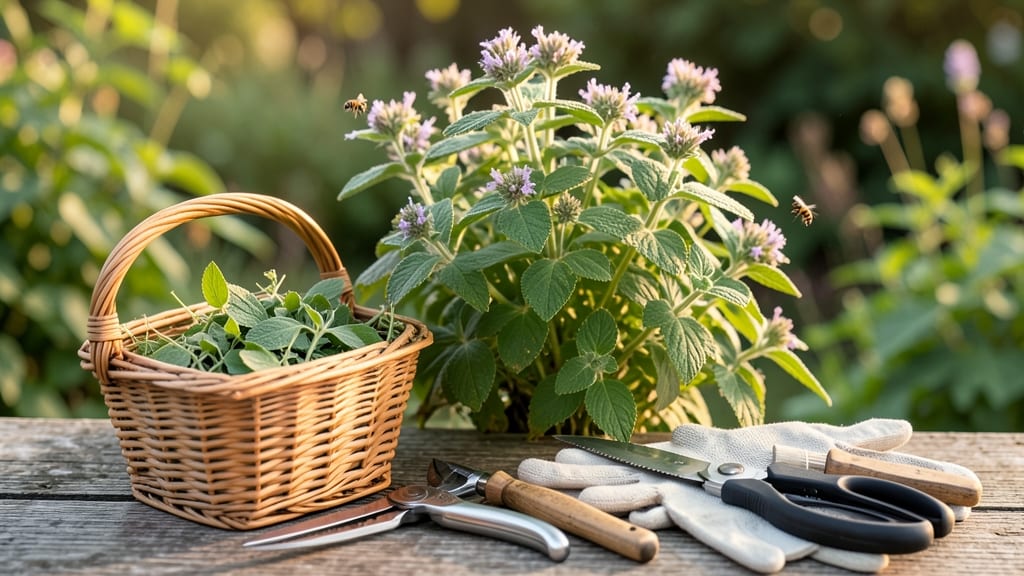
Harvesting catnip for cats at the right moment means the difference between a feline frenzy and a flop—soft leaves and a strong, sweet scent are your secret weapons.
If your cat goes wild for catnip but you’re struggling to grow it right, timing your harvest is everything. June to September is prime time in USDA Zone 6a, but the key is watching for those fuzzy, aromatic leaves that make your whiskered friend purr with excitement.
You’ll need sharp scissors, a dry day, and a little patience—skipping these steps can leave your catnip weak and your kitty underwhelmed. Freshly picked leaves are more potent, but drying them properly preserves the magic.
Below, I’ll walk you through the step-by-step process, from spotting the perfect harvest to storing it so your cat stays obsessed all year. No guesswork, just happy cats and happy gardeners.
When and how to harvest catnip for maximum potency
Timing your catnip harvest is the secret to unlocking its full feline appeal. The best time to harvest is when the plant reaches 6-12 inches tall and the leaves feel soft but slightly fuzzy.
This usually happens 60-90 days after planting, depending on your climate. The leaves should also emit a strong, sweet scent when crushed—a sure sign your catnip is at peak potency.
Harvesting too early means weak potency, while waiting too long can make the leaves tough and bitter. The ideal harvest window is just before the plant starts flowering, when the essential oils are concentrated in the leaves.
If you miss this window, the plant will still produce catnip, but its effects on your cat may be less dramatic.
Now that you know when to harvest, let’s talk about how. The method you choose can make or break the potency of your catnip. Whether you’re harvesting for fresh use or drying, the key is to handle the leaves gently and avoid damaging the plant.
Below is a quick reference to help you decide the best approach for your needs.
| Harvest Stage | Plant Height | Leaf Texture | Scent Test | Best For |
|---|---|---|---|---|
| Early Growth | 4-6 inches | Soft, sparse | Mild or no scent | Not ideal for harvest |
| Prime Harvest | 6-12 inches | Fuzzy, dense | Strong, sweet aroma | Fresh or dried catnip |
| Late Stage | 12+ inches | Tough, woody | Weak or bitter scent | Lower potency |
| Flowering | 18+ inches | Hardened leaves | Faint scent | Avoid harvesting |
To harvest, use clean, sharp scissors or pruning shears to snip the stems just above a leaf node. This encourages the plant to branch out and produce more leaves.
For the best results, harvest on a dry, sunny morning when the essential oils are most concentrated. Avoid harvesting after rain, as moisture can dilute the potency and encourage mold.
If you’re harvesting for fresh catnip, use it within a few days for the strongest effects. Fresh catnip is perfect for making catnip toys or sprinkling on scratching posts. For long-term storage, drying is the way to go.
Hang the stems upside down in a well-ventilated, dark place for 1-2 weeks until the leaves are completely dry and crumbly.
Once dried, store your catnip in an airtight container, away from direct sunlight and moisture. A glass jar with a tight-sealing lid works perfectly. Label the jar with the date to keep track of freshness.
Properly stored catnip can retain its potency for up to 12 months, though it may lose some strength over time.
For maximum potency, avoid overharvesting. Never take more than one-third of the plant at a time, and always leave some leaves to keep the plant healthy.
If you’re growing catnip in a container, be extra careful not to disturb the roots, as catnip has a shallow root system.
After harvesting, give your catnip plant a little extra care to encourage regrowth. Water it deeply and apply a light fertilizer if needed. With proper care, your catnip plant can produce multiple harvests throughout the growing season, giving your feline friend plenty of fun for months to come.
Remember, the key to a successful harvest is patience and timing. If you wait until the leaves are just right—soft, fuzzy, and fragrant—your catnip will be irresistible to your cat and packed with the best effects. Happy harvesting! 🌿
Best practices for drying and storing catnip to keep cats obsessed
Once you’ve harvested your catnip leaves at the perfect stage, preserving their potency is key to keeping your feline friend fixated. The drying process concentrates the nepetalactone oils that cats can’t resist, but improper methods can ruin all your hard work.
Whether you choose air-drying or a dehydrator, each approach has unique advantages—and potential pitfalls.
After drying, storing your catnip correctly ensures it stays fresh and aromatic for months. Humidity and light are your biggest enemies here, so I’ll walk you through the best containers and conditions to maintain that irresistible scent.
Plus, I’ll show you how to test potency before offering it to your cat—because even the best-stored catnip can lose its magic over time.
Air-Drying vs. Dehydrator: Which Wins for Catnip?
Air-Drying
- Pros: Low-cost, no equipment needed
- Cons: Slower process (3-7 days), humidity risks
Best for: Small batches, traditionalists, or those without a dehydrator.
Dehydrator
- Pros: Faster (4-6 hours), consistent results
- Cons: Requires equipment, higher energy use
Best for: Large harvests, impatient gardeners, or humid climates.
💡 Pro Tip: Bundle stems with rubber bands before drying to maintain shape and speed up the process.
For air-drying, hang your catnip bundles upside down in a dark, well-ventilated space like a closet or pantry. Avoid direct sunlight, which can degrade the oils and turn leaves bitter. If you live in a humid climate, consider using a fan on low to circulate air and prevent mold.
The leaves are ready when they’re crispy to the touch and easily crumble between your fingers.
Using a dehydrator is my go-to method for large batches. Set it to 95°F (35°C) and spread leaves in a single layer on the trays. Avoid overcrowding, or you’ll end up with damp, moldy catnip.
Check after 4 hours—they’re done when leaves snap cleanly when bent. Store immediately in airtight containers to lock in freshness.
Once dried, store your catnip in airtight glass jars or vacuum-sealed bags to block moisture and light. Keep it in a cool, dark place, like a pantry or basement, where temperatures stay below 70°F (21°C).
Label your jars with the date—properly stored catnip stays potent for 6-12 months, though potency fades after 3-4 months.
To test potency before offering it to your cat, crush a small pinch between your fingers. If it releases a strong, sweet, minty aroma, it’s still fresh. If the scent is faint or musty, it’s time to harvest a new batch.
For extra assurance, sprinkle a tiny amount on a dark surface—if your cat ignores it, the catnip has lost its magic.