
How To
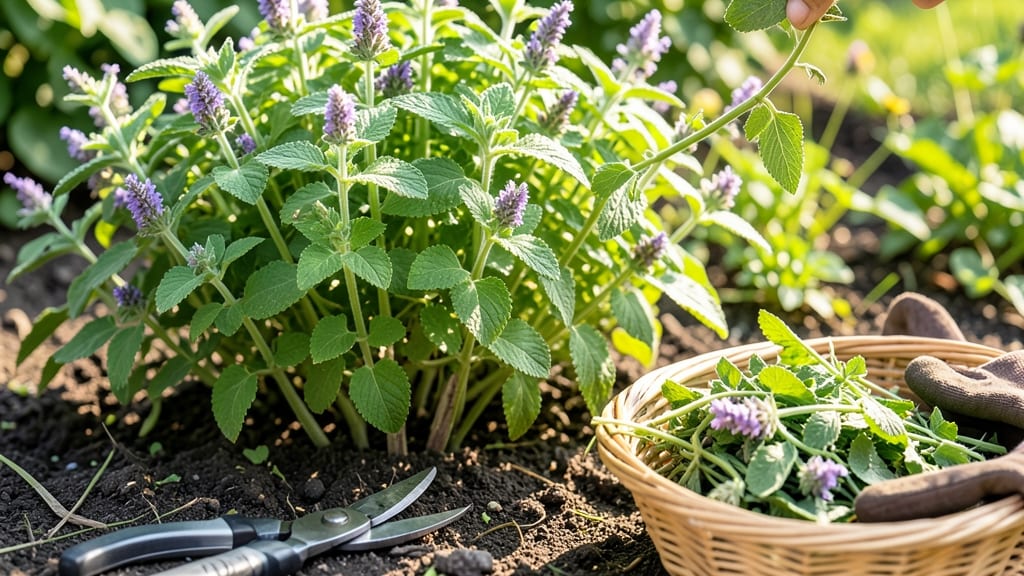
Harvesting catnip at the right time means leaves that crumble easily between your fingers—the key to potency and flavor.
Catnip isn’t just for playful kittens 🐱—it’s a versatile herb with calming properties for humans too. But timing your harvest wrong can turn your catnip crop into brittle, worthless leaves. Learn the exact moment to harvest when leaves crumble easily for maximum potency and yield.
You’ll discover how to spot the perfect growth stage, from dark green, fuzzy leaves to that unmistakable minty scent. Too early, and the flavor fades; too late, and the stems become woody. The right balance ensures your harvest stays fresh, aromatic, and packed with benefits.
Inside, I’ll walk you through step-by-step harvesting techniques, post-harvest care, and how to maximize your yield—whether you’re growing it for your cat’s amusement, pest control, or herbal remedies.
When to harvest catnip for maximum potency: the crumble test
Harvesting catnip at the right moment transforms your garden into a potency powerhouse. The key? A simple crumble test that reveals when leaves are packed with nepetalactone, the compound cats (and humans) love.
Skip this step, and you risk harvesting bitter, low-quality leaves that crumble into dust instead of holding their shape.
Timing matters because catnip’s aromatic oils peak during its active growth phase. Harvest too early, and the leaves lack flavor; too late, and the plant shifts energy to flower production, reducing potency.
The crumble test cuts through guesswork by combining visual cues with a tactile check—your fingers become the best tool in your gardening toolkit.
Visual cues include dark green, fuzzy leaves and stems that are slightly woody but still flexible. When you brush the foliage, a strong minty aroma should fill the air—this is your plant’s way of saying, “I’m ready!” Ignore these signs, and you might end up with leaves that lose potency faster during drying.
| Stage | Leaf Texture | Stem Condition | Aroma Test | Harvest Ready? |
|---|---|---|---|---|
| Early Growth | Soft, pale green | Very flexible, almost bendy | Mild, barely noticeable | ❌ No |
| Active Growth | Dark green, fuzzy | Slightly woody, flexible | Strong minty scent | ✅ Yes |
| Late Growth | Brittle, drying edges | Woody, stiff | Faint or none | ❌ No |
| Flowering | Crumbly, yellowing | Hard, hollow | Weak, earthy | ❌ No |
To perform the crumble test, pinch a leaf between your thumb and forefinger. If it crumples easily but holds shape, you’ve hit the sweet spot.
This texture indicates the leaf is fully developed yet still rich in oils. If it snaps like dry paper, you’ve waited too long—potency has already diminished.
Seasonal timing also plays a role. In USDA Zone 6a, aim for harvests between late June and early September, when days are long and growth is vigorous. Early morning harvests yield the freshest leaves with the highest oil content, as evening dew can dilute potency.
Harvesting at the right stage isn’t just about potency—it’s about drying success. Leaves harvested too early may wilt or mold during drying, while overripe leaves turn to dust. The crumble test ensures you’re harvesting leaves that dry evenly, retaining their color and aroma for months in storage.
Pro tip: Rotate your harvests by cutting stems from the outer edges inward. This encourages bushier growth and extends your harvest window. Avoid cutting into the central stem, as this can stunt the plant’s ability to produce new leaves.
Once you master the crumble test, you’ll never second-guess your harvest timing again. Your catnip will stay fresh, potent, and ready for drying, whether you’re making cat toys, herbal teas, or natural pest repellents. Happy harvesting!
🌿
Step-by-step catnip harvesting techniques for beginners
Harvesting catnip at the right time ensures maximum potency and freshness. The best leaves are dark green, slightly fuzzy, and crumble easily when rubbed between your fingers.
This tactile test is your secret weapon for perfect timing—avoid harvesting too early (leaves will be tender and weak) or too late (they’ll turn woody and bitter).
Your harvesting method depends on your goals: hand-picking leaves for fresh use or pruning stems for drying. Both techniques require clean, sharp tools to prevent plant damage or disease.
I’ll walk you through each method, including how to handle your harvest to keep it fresh and aromatic for as long as possible.
How to Harvest Catnip: Step-by-Step
-
Step 1: Choose Your Method
- Hand-picking: Pinch off individual leaves or small sprigs with your fingers.
- Pruning: Cut stems at a 45-degree angle 1-2 inches above a leaf node using clean pruning shears.
-
Step 2: Use the Right Tools
- Pruning shears (for stems) or sharp scissors (for leaves).
- Glove (optional, to protect hands from fuzzy leaves).
- Clean basket or paper bag to collect harvest.
-
Step 3: Harvest in the Morning
- Harvest after dew has dried (around 9-11 AM) for maximum oil content.
- Avoid harvesting after noon to prevent leaf wilting.
-
Step 4: Avoid Over-Harvesting
- Never remove more than 1/3 of the plant at once.
- Leave lower leaves to fuel regrowth.
-
Step 5: Handle Post-Harvest Immediately
- For fresh use: Rinse leaves in cool water and pat dry.
- For drying: Hang stems upside down in a dark, well-ventilated space.
After harvesting, catnip leaves dry best when bundled and hung in a cool, dark spot. They’re ready when crispy and brittle (about 1-2 weeks). Store dried catnip in airtight containers away from light to preserve its aroma and calming properties for up to 1 year.
Fresh catnip can be used in homemade cat toys, pest-repellent sprays, or even herbal teas. Just remember: the younger the leaves, the stronger the effect—so keep harvesting consistently throughout the growing season!
With these techniques, you’ll turn your catnip patch into a year-round source of fresh or dried leaves—perfect for both furry friends and human remedies. Happy harvesting! 🌿✂️