
How To
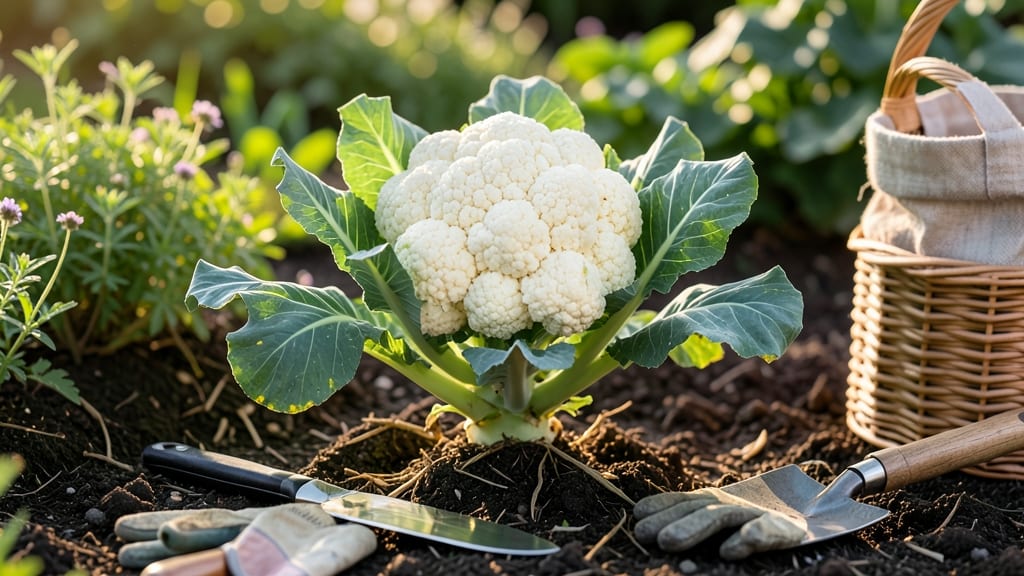
Harvesting cauliflower at the right time ensures the best flavor and texture—those tight, creamy curds are worth the patience.
Picture this: you’ve nurtured your 🥬 plants all season, and now the moment arrives. But wait too long, and those perfect heads turn woody and bitter. Or pick too early, and you’re left with undersized, loose curds.
The difference between a crisp, tender harvest and a disappointing one comes down to timing, technique, and a few key tricks.
In this guide, I’ll walk you through exactly when to harvest—looking for firm, fully colored heads—and how to do it without damaging the plant. You’ll also learn what to do with your harvest afterward to keep those curds fresh and flavorful for weeks.
Whether you’re a first-time gardener or a seasoned grower, these steps will help you avoid common mistakes and maximize your yield. Let’s get started!
When and how to harvest cauliflower for maximum flavor
Harvesting cauliflower at the right moment transforms your garden from a patch of green to a treasure trove of crisp, flavorful curds. The key lies in timing—wait too long, and you’ll end up with woody, bitter heads, while harvesting too early means small, underdeveloped buds.
I’ve learned the hard way that patience and attention to detail are everything when it comes to this cool-weather crop.
Perfectly timed harvests start with understanding your cauliflower variety. Some types, like Snowball Y Improved, mature faster than others, such as Purple of Sicily. Always check the seed packet for days to maturity, but don’t rely solely on that—visual cues are your best friend.
Look for firm, compact heads that feel heavy for their size, with leaves beginning to yellow around the base.
Before you grab your pruners, gather the right harvesting tools. A sharp pruning shears or knife ensures clean cuts, while a glove protects your hands from the plant’s rough leaves. Avoid pulling the head—this can damage the plant and leave it vulnerable to pests.
Instead, cut about 1-2 inches below the curd to encourage any side shoots to develop into secondary heads.
| Harvest Cue | What to Look For | Action |
|---|---|---|
| Head Size | 3-6 inches in diameter | Harvest immediately |
| Color | Fully developed (white, purple, or green) | Check for consistency |
| Firmness | Tight, compact, no soft spots | Gently squeeze to test |
| Leaves | Yellowing and dying back around head | Ready for harvest |
| Stem Test | Snaps easily when twisted | Indicates maturity |
Weather plays a crucial role in harvesting. Aim to pick your cauliflower on a cool, cloudy day—this helps preserve moisture and prevents the curds from drying out or becoming bitter.
If you must harvest in hot weather, do it early in the morning or late in the evening to avoid stressing the plant. Never harvest after a heavy rain, as this can make the soil too muddy and lead to rot.
Once you’ve cut the head, don’t wash it immediately. Instead, store it in a plastic bag in the refrigerator for up to a week. If you’re not using it right away, you can also blanch and freeze the curds to lock in freshness.
For best results, trim any loose leaves and remove the outer layer of the head before cooking—this ensures the inner core remains tender and flavorful.
After harvesting, keep an eye on your cauliflower plant for any side shoots. Many varieties, like Romanesco, produce secondary heads. If you notice new buds forming near the base, continue to care for the plant by watering deeply and providing balanced fertilizer.
With the right conditions, you might get a second (or even third) harvest!
One common mistake I see is waiting until the curds start to open. By then, the flavor has already deteriorated, and the texture becomes tough. Another pitfall is using dull tools, which can crush the delicate curds.
Always keep your pruners or knife sharp and clean to make precise cuts that heal quickly.
If your cauliflower heads are yellowing or developing brown spots before they’re fully mature, it could be a sign of heat stress or bolt risk. In this case, harvest immediately, even if the head isn’t perfect.
Some varieties, like Orange Cauliflower, are more heat-tolerant, so choosing the right type for your climate can make all the difference.
For gardeners in warmer climates, consider growing fall or winter varieties to avoid the heat. Plant them in late summer so they mature during cooler months. This strategy not only extends your harvest season but also ensures sweeter, more tender curds that aren’t stressed by high temperatures.
Remember, the goal is to harvest your cauliflower at peak flavor, which means paying close attention to the plant’s signals and acting quickly. With practice, you’ll develop an eye for the perfect moment—when the head is firm, fully colored, and ready to enjoy. Happy harvesting! 🥬
Common harvesting mistakes and how to avoid them
Even with perfect growing conditions, harvesting mistakes can turn your cauliflower curds into tough, bitter disappointments. I’ve seen gardeners lose entire harvests by ignoring subtle signs or using the wrong techniques. The good news? Most of these pitfalls are easy to avoid once you know what to watch for.
One of the biggest mistakes is waiting too long to harvest. Those over-mature heads become woody and develop tiny flower buds, ruining texture and taste. On the flip side, harvesting too early gives you small, loose curds that lack flavor.
Timing is everything, and I’ll show you exactly how to spot the perfect moment.
Another common error is using the wrong cutting technique. A jagged cut or pulling the stem can damage the plant and leave your cauliflower vulnerable to pests. Even worse, improper handling can bruise the curds, shortening their shelf life. Let’s fix these mistakes before they happen.
Avoid These Harvesting Mistakes
• Over-mature heads become woody and bitter—harvest when curds are 3-6 inches and firm to touch.
• Improper cutting damages plants—always cut 1 inch above the curd with a sharp knife.
• Heat stress causes bolting—provide afternoon shade in hot climates.
Environmental factors like heat stress and pests can also sabotage your harvest. I’ve had cauliflower plants bolt prematurely in summer heat, turning heads yellow and unusable. The solution? Monitor weather patterns and provide shade cloth when temperatures exceed 85°F (29°C).
Pests like cabbage worms can also chew through curds, so I recommend using row covers or organic sprays like neem oil.
Another overlooked issue is improper storage after harvest. If you don’t handle cauliflower correctly post-harvest, it can spoil within days. Always store harvested heads in the crispest part of your fridge—wrap them in a damp towel to retain moisture.
For longer storage, try blanching and freezing, which preserves flavor for months.
Finally, don’t forget about regrowth potential. Many gardeners assume once you harvest a cauliflower head, the plant is done. But with the right varieties and care, you can encourage successive harvests.
After cutting the main head, keep the plant well-watered and fertilized—sometimes, smaller side shoots will form and produce additional curds later in the season.
By avoiding these common mistakes, you’ll enjoy crisp, flavorful cauliflower all season long. The key is staying vigilant about timing, technique, and environmental conditions. Now that you know what to watch for, your next harvest will be your best yet! 🥬