
How To
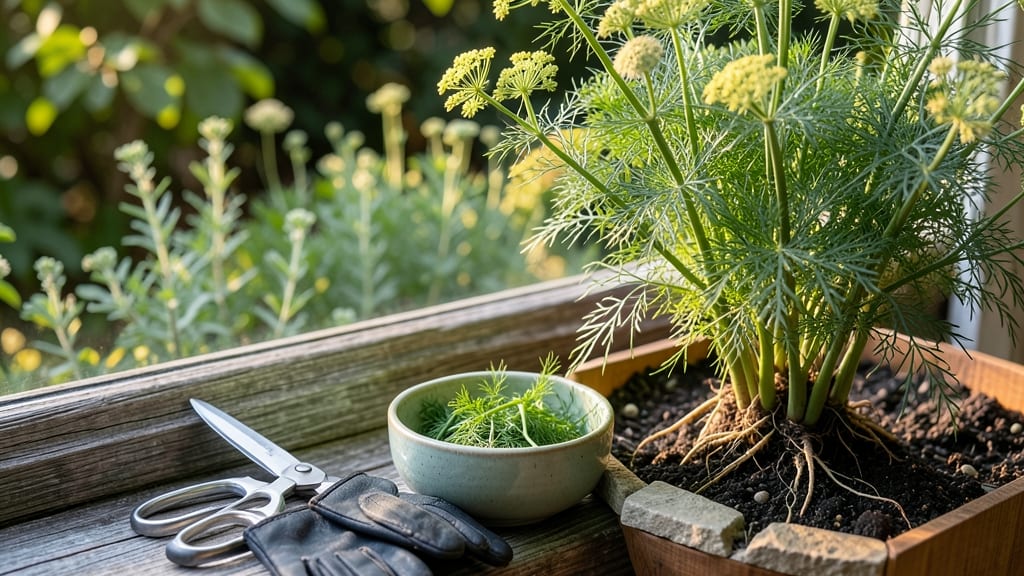
To harvest dill herb at its peak flavor and encourage continuous regrowth, timing and technique matter more than you might think.
Picture this: you’ve grown your 🌿 dill for months, only to watch it bolt and turn bitter before you’ve even used half of it. That’s the difference between a well-timed harvest and a wasted plant.
The secret? Cutting leaves when they’re young and vibrant—but not so early that you stunt the plant’s growth.
In this guide, I’ll walk you through the exact best times to harvest, the tools you’ll need, and the pruning tricks that keep your dill bushy and productive all season.
You’ll also learn how to store your harvest for freshness, whether you’re drying it, freezing it, or using it right away in your favorite dishes.
By the end, you’ll know not just when to harvest, but how to do it so your dill keeps giving you flavorful leaves from June through September—without the frustration of a plant that gives up too soon.
Best time to harvest dill for maximum flavor & plant health
Harvesting dill at the right time ensures bold, aromatic flavor while keeping your plant healthy and productive. Unlike many herbs, dill thrives when harvested multiple times during its growing season, but timing matters.
Cut too early, and you’ll miss peak flavor; wait too long, and your plant may bolt prematurely, reducing future harvests.
The ideal harvest window for fresh dill leaves begins when plants reach 4–6 inches tall and have 4–6 pairs of leaves. This usually happens 6–8 weeks after sowing, depending on your climate. For seed harvests, wait until the seed heads turn brown, but this sacrifices leaf production.
Morning is the best time to harvest—leaves are fully hydrated and packed with flavor after a night of moisture absorption. Avoid harvesting in the evening or after rain, as damp leaves can develop fungal issues like powdery mildew.
- 🌱 Seedling Stage (0–4 weeks): Avoid harvesting—focus on establishing roots. Pinch off only damaged leaves to encourage bushiness.
- 🌿 Vegetative Growth (4–6 weeks): Harvest outer leaves first when plants hit 4–6 inches tall. Use clean scissors to cut just above a leaf node.
- 🌸 Early Flowering (6–8 weeks): Stop harvesting leaves if flowers appear—prioritize seed production or prune flowers to extend leaf harvests by 2–3 weeks.
- 🌾 Seed Maturity (8–10 weeks): Harvest brown seed heads for drying. Cut entire stems, hang upside-down, and remove seeds once dry.
- ⚠️ Avoid Bolting: If your dill bolts early (sends up a tall flower stalk), it’s signaling stress from heat or drought. Mulch and water deeply to delay bolting and prolong leaf harvests.
Weather plays a critical role in harvest timing. Hot, dry spells can cause dill to bolt prematurely, so mulch with straw or compost to retain moisture. Conversely, cool, cloudy days slow growth—harvest less frequently to avoid over-stressing the plant.
For continuous regrowth, never remove more than one-third of the plant at once. Use sharp pruning shears (not your fingers) to make clean cuts just above a leaf node. This encourages lateral branching, giving you multiple harvests per season.
Watch for visual cues like yellowing leaves or stunted growth, which signal over-harvesting. If your dill starts to taste bitter, it’s likely bolting—time to shift focus to seeds or let the plant recover for next year.
Pro tip: Harvest dill in stages—take a few leaves from multiple plants rather than all leaves from one plant. This distributes stress and keeps your harvest consistent all season. Store harvested dill in the fridge for up to 1 week or freeze in oil for long-term use.
By mastering these harvest windows and plant signals, you’ll enjoy fresh, flavorful dill from early summer to fall—without sacrificing your plant’s health or future yields. Happy harvesting! 🌿
Step-by-step harvesting techniques for continuous dill regrowth
Harvesting dill the right way makes all the difference between a single-use plant and one that keeps producing flavorful leaves all season. The key is timing and technique—cut too much at once, and you’ll stunt growth; use the wrong tools, and you risk damaging the stems.
I’ve tested these methods in my garden, and they’ve kept my dill thriving for three full harvests in one season.
When your dill reaches 4-6 inches tall with at least 6-8 mature leaves, it’s ready for its first harvest. This is when the flavor is most intense, and the plant has enough energy to regrow.
Avoid cutting into the main stem unless absolutely necessary, as this can weaken the plant. Instead, focus on the outer leaves and side shoots.
How to Harvest Dill Herb for Continuous Regrowth
-
Step 1: Choose the Right Tools
Use sharp, clean pruning shears or a small knife to make clean cuts. Avoid fingers or dull scissors—they crush stems and invite disease. -
Step 2: Harvest in the Morning
Pick leaves after dew dries (around 8-10 AM) when oils are most concentrated. Avoid harvesting after rain or in the evening. -
Step 3: Cut at the Right Angle
Snip just above a leaf node (where leaves meet the stem) at a 45-degree angle. This encourages new growth from that spot. -
Step 4: Never Take More Than 1/3
Remove only outer leaves or side shoots—never more than one-third of the plant at once. This prevents shock and promotes bushiness. -
Step 5: Prune Flower Stems Early
If flower buds form, snip them off immediately. Allowing dill to flower reduces leaf production and makes leaves bitter. -
Step 6: Water and Fertilize After Harvesting
Give your plant 1 cup of water and a light fertilizer (5-10-10) within 24 hours to encourage regrowth.
One of the biggest mistakes I see is over-harvesting all at once. If you cut too aggressively, your dill may bolt prematurely (send up a tall flower stalk) or produce fewer leaves. Instead, think of harvesting like trimming a bush: a little at a time keeps it lush.
I harvest my dill every 7-10 days during peak season, and it never fails to bounce back.
For seed harvests, wait until the plant bolts naturally and the seed heads turn brown and dry. Snap off the seed heads by hand and let them dry in a paper bag for 1-2 weeks.
Once dry, crush them to release seeds for next year’s garden. This method ensures you get both fresh leaves and seeds from the same plant.
If your dill starts to look leggy or sparse, it’s a sign you’ve been harvesting too much or not enough. Adjust by reducing frequency or adding a light fertilizer to encourage new growth.
With the right care, your dill can keep producing flavorful leaves for months, even after the first frost.