
How To
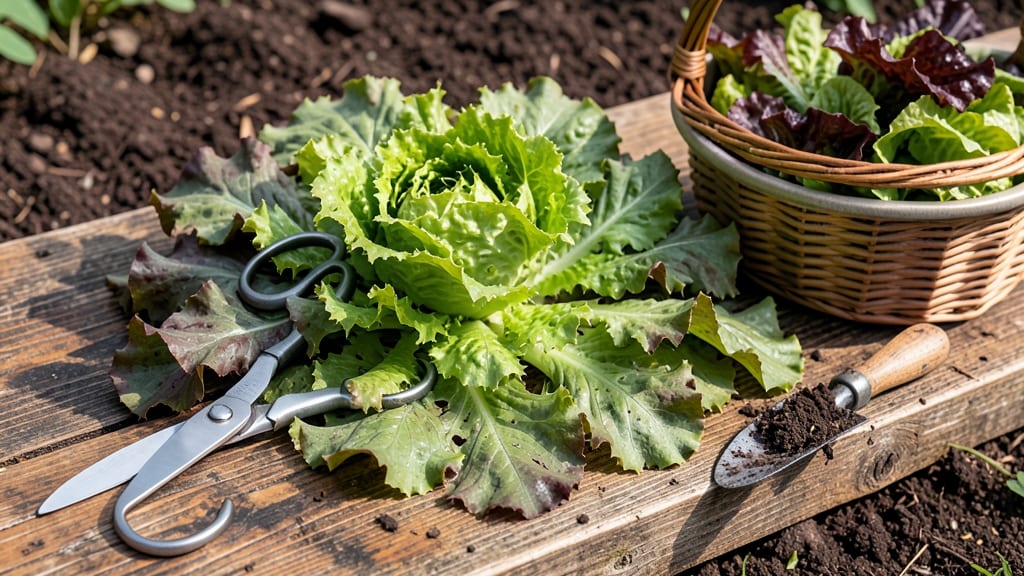
To harvest loose leaf lettuce 🥬 the right way means cutting stems at the base without damaging the plant—this simple technique keeps your garden producing fresh greens for weeks.
Picture this: you’ve nurtured your lettuce through spring rains and warm afternoons, only to watch it bolt or wilt if you pull leaves too aggressively. The secret isn’t just when you harvest—it’s how you do it to encourage regrowth.
In this guide, I’ll walk you through the exact steps: the best tools to use, the ideal timing (hint: it’s not when the leaves are fully mature), and how to avoid common mistakes that leave your lettuce struggling to bounce back.
By the end, you’ll know how to extend your harvest season, maximize your yield, and keep your 🥬 thriving like a pro—no guesswork required.
Step-by-Step guide to cutting lettuce stems for continuous harvest
Harvesting loose leaf lettuce the right way isn't just about picking leaves—it's about encouraging your plant to regrow. When you cut stems correctly, you trigger new growth while avoiding damage that can kill your plant.
I’ve learned that timing and technique are everything, and even small mistakes can lead to bitter, stunted lettuce.
Most gardeners make the mistake of cutting too close to the center or using dull tools, which stresses the plant. Instead, focus on outer leaves first and always use sharp, clean scissors.
This method lets you enjoy fresh greens for weeks without replanting. Let’s break down the exact steps to maximize your harvest.
How to Harvest Loose Leaf Lettuce for Regrowth
- 🌱 Step 1: Wait for the Right Size
Harvest when outer leaves reach 4-6 inches. These leaves should be fully expanded but still tender—not woody or bitter. Check the color consistency; vibrant green or deep red/purple means it’s ready. - 💧 Step 2: Water the Soil First
Water the base of the plant 1-2 hours before harvesting. This prevents the soil from drying out during cutting and keeps the stems firm. Avoid soggy soil, though—just moist enough to support clean cuts. - ✂️ Step 3: Choose the Right Tool
Use sharp garden shears or clean scissors. Dull tools crush stems, causing rot or stunted growth. Disinfect your tools with rubbing alcohol if harvesting multiple plants to prevent disease spread. - 📏 Step 4: Cut Outer Leaves at a 45-Degree Angle
Hold the leaf firmly and cut the stem 1/4 inch above the base. Angle the cut slightly to increase surface area for faster regrowth. Never cut into the inner rosette—this is where new leaves form. - 🌿 Step 5: Leave the Inner Core Intact
Remove only the outer 1/3 of leaves per harvest. This leaves enough foliage to photosynthesize and fuel regrowth. Think of it like trimming a hedge—you want to maintain the shape while encouraging new growth. - 🌡️ Step 6: Harvest in Cool Weather
Ideal temps for harvesting are 55-75°F. Avoid cutting during heatwaves or frost, as extreme temps stress the plant. Early morning harvests yield the crispest leaves and reduce wilting. - 🌱 Step 7: Fertilize Lightly After Harvesting
Apply a balanced fertilizer (5-10-10) or compost tea to replenish nutrients. Focus on nitrogen to promote leafy regrowth, but avoid over-fertilizing, which can cause bitter flavors.
One common mistake I see is cutting too aggressively—some gardeners remove half the plant at once, thinking it’ll grow back faster. But lettuce regrows best when left with a strong core.
If you take too much, the plant may bolt (send up a flower stalk) or rot from the center.
Another tip: Rotate your harvests around the plant. Always cut from the outer edges inward to maintain a full, bushy shape. This also helps prevent sunburn on newly exposed inner leaves. I’ve found that harvesting every 7-10 days keeps my lettuce productive for months.
For heat-tolerant varieties like romaine or oakleaf, you can harvest slightly more aggressively, but still avoid the center. These types handle stress better than butterhead or bibb lettuce, which are more delicate. Always check your seed packet for specific guidance.
If your lettuce starts to bolt (send up a flower stalk), it’s a sign you’ve harvested too much or waited too long. Bolted lettuce tastes bitter and is past its prime. To prevent this, keep plants well-watered and shaded during hot days, and harvest regularly before they mature.
Finally, store harvested leaves in a perforated plastic bag with a damp paper towel in the fridge. This keeps them crisp for up to 5-7 days while you wait for your next harvest. With the right technique, one plant can give you enough greens for weeks—no replanting needed!
Best practices for maximizing lettuce regrowth after harvest
After harvesting your loose leaf lettuce, the key to continuous growth lies in post-harvest care. I’ve found that proper watering and nutrient management can extend your plant’s lifespan by 4-6 weeks or more.
Start by ensuring the soil remains consistently moist—never soggy—since lettuce roots are shallow and sensitive to drought. A light mulch layer helps retain moisture while keeping roots cool, especially during hot afternoons.
Adjusting sunlight exposure is another game-changer. While lettuce thrives in partial shade, too much direct sun after harvest can cause bitterness or bolting. If your plants are in full sun, consider providing afternoon shade with a lightweight shade cloth (30-50% block).
This simple tweak can prevent stress and encourage tender, flavorful regrowth. I’ve seen heat-sensitive varieties like Buttercrunch bolt within days if left in harsh sunlight.
Now, let’s talk cutting methods—this makes a surprising difference in regrowth. Below is a comparison of tools and their impact on your lettuce’s recovery. The right choice can mean the difference between vigorous regrowth and a struggling plant.
| Cutting Method | Tool Used | Regrowth Impact | Best For |
|---|---|---|---|
| Stem Cutting (1-2 inches above base) | Clean, sharp pruning shears | Fastest regrowth (3-5 days) | Outer leaves only |
| Leaf-by-Leaf Pinching | Fingers or clean scissors | Slower but gentler (5-7 days) | Inner leaves or small plants |
| Bulk Harvest (Cutting entire plant) | Dull scissors or hands | Minimal regrowth (weeks or none) | End-of-season harvest |
Soil nutrition is the final piece of the puzzle. After each harvest, I top-dress with compost or a balanced fertilizer (5-10-10) to replenish nutrients. Lettuce is a heavy feeder, especially for nitrogen, which promotes leafy growth.
Avoid over-fertilizing, though—this can lead to leaf burn or excessive foliage at the expense of tenderness. In container gardens, I swap out the top inch of soil every few weeks to prevent nutrient depletion.
Seasonal adjustments are critical, too. In spring and fall, lettuce regrows quickly with cool temperatures and moderate sunlight. But during summer heat, growth slows dramatically. If you’re harvesting in summer, prioritize shade cloth and frequent watering (every 1-2 days).
I’ve even moved potted lettuce to shadier spots or under patio umbrellas to protect it from wilting.
Finally, watch for pest pressure after harvest—stressed plants attract aphids and slugs. A quick spray of neem oil or a barrier of diatomaceous earth can save your regrowing lettuce. With these tips, my loose leaf lettuce has given me 3-4 harvests per season instead of just one!