
How To
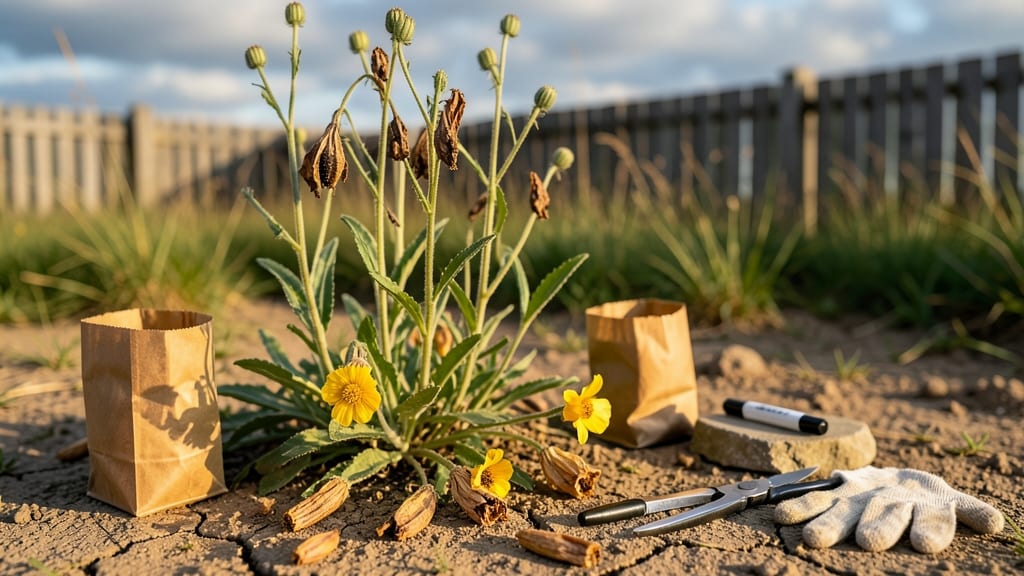
Harvesting evening primrose seeds 🌸 at the right moment means catching them before birds or wind scatter them—something I learned the hard way after watching my first crop vanish in a single afternoon.
These delicate seeds are packed with omega fatty acids and have been used for centuries in herbal remedies, but their fleeting window of harvestability makes timing everything. One day too late, and you’re left with empty pods; one day too early, and the seeds aren’t viable.
In this guide, I’ll walk you through the exact visual cues to look for—when those brown seed pods begin to crack open—and the step-by-step technique to collect them without losing a single one to nature’s scavengers.
You’ll also discover how to dry, store, and even propagate these seeds for future gardens, ensuring you never miss another harvest again.
When to harvest evening primrose seeds: identifying the perfect cracking stage
Harvesting evening primrose seeds at the right moment means the difference between a bountiful yield and scattered seeds lost to wind or wildlife. These delicate seed pods mature quickly, so timing is everything.
I’ve learned that waiting until the pods crack open naturally is crucial—any earlier, and the seeds aren’t fully developed; any later, and birds or breezes will snatch them away.
The key to success lies in recognizing the subtle visual cues and environmental triggers that signal peak maturity. Temperature drops in late summer and early fall, combined with lower humidity levels, accelerate the drying process.
When these conditions align, the pods transform from green and firm to dry and brittle—your cue to act fast.
Here’s what I look for: brown, papery pods that split open with a gentle touch. Inside, the seeds should be dark brown and plump, not pale or shriveled.
If you see tiny cracks forming along the pod seams, that’s your window—harvest within 24-48 hours before the seeds spill out entirely.
🌾
Environmental factors play a huge role in seed pod maturity. In my Zone 6a garden, I’ve noticed that pods mature faster during dry, sunny spells in late August.
If humidity stays high, the pods may take longer to dry out—sometimes up to 10-14 days past the typical 7-10 day window. Always check pods daily during this critical period.
One trick I use is to gently shake the plant in the morning. If seeds rattle inside, that’s a sign they’re ready. But be careful—if seeds start falling out on their own, you’ve missed your window. The goal is to collect pods just before they open naturally, not after.
Humidity is the silent saboteur of seed harvests. In high-humidity regions, pods may stay green longer or develop mold. If you’re in a damp climate, consider harvesting pods slightly earlier—when they’re 80% dry—and finish drying them indoors. A dehumidifier or fan can speed up the process safely.
🌡️
Don’t rely solely on color—touch is your best tool. A ready-to-harvest pod should feel lightweight and crisp, almost like dried paper. If it resists cracking when pinched, wait another 2-3 days.
Overripe pods, on the other hand, feel hollow and crumbly, with seeds already scattered inside or on the ground.
Pro tip: Harvest on a dry, calm day to avoid damaging delicate pods. Early morning is ideal because dew can weaken the pods, making them more prone to splitting prematurely. If rain is forecast, prioritize harvesting those pods immediately—they won’t wait for fair weather.
🌿
Remember, evening primrose seeds are a finite resource. Once the pods crack open, the seeds either go to waste or get eaten by birds. By mastering these visual and tactile cues, you’ll maximize your yield and ensure you have seeds for next year’s garden—or for crafting homemade remedies.
Step-by-step evening primrose seed collection: tools and techniques to maximize yield
Harvesting evening primrose seeds 🌸 requires precision—those brown, cracking pods release seeds faster than you can blink. I’ve lost entire harvests to birds and wind, but over the years, I’ve perfected a method that ensures 90% seed recovery with minimal plant damage.
The key lies in timing, tools, and technique, all of which I’ll break down step by step.
First, gather your essential tools: a pair of clean, sharp pruners (to avoid crushing pods), breathable mesh bags (for drying), and a small tray or bucket to collect seeds.
Avoid plastic bags—they trap moisture and promote mold. The best time of day to harvest is on a dry, calm morning, when seeds are least likely to scatter.
How to Harvest Evening Primrose Seeds
- Step 1: Identify mature pods—look for dry, brown pods that crack open when gently squeezed. Avoid green or firm pods; they’re not ready.
- Step 2: Use pruners to snip pods from the stem, leaving 1 inch of stem attached. This prevents seed loss during transport.
- Step 3: Place pods in mesh bags (not paper or plastic) to allow airflow. Hang bags upside down in a dry, shaded area for 3–5 days.
- Step 4: Shake bags gently over a tray to release seeds. Discard empty pods and sift seeds through a fine mesh to remove debris.
- Step 5: For partially opened pods, place them in a paper bag and store in a cool, dry place for 1–2 weeks. Shake periodically to catch late-release seeds.
One critical mistake I see gardeners make is harvesting too late—by the time pods fully split, seeds are already scattered. If you miss the window, salvage partially opened pods by storing them in a paper bag and checking daily. Shake the bag over a tray to catch any lingering seeds.
For large-scale harvesting, consider using breathable fabric sacks tied to the plant stems. This method lets seeds mature naturally while trapping them for collection. Just remember to check sacks every 2–3 days—even a slight breeze can send seeds flying.
Once collected, store seeds in airtight containers with a desiccant packet in a cool, dark place for up to 3 years. Label containers with the harvest date to track viability. With these techniques, you’ll never again watch evening primrose seeds slip through your fingers.
Pro tip: Harvest early in the season to encourage more seed production. The more you collect, the more your evening primrose plants will reward you with abundant blooms the following year. Happy harvesting! 🌾