
How To
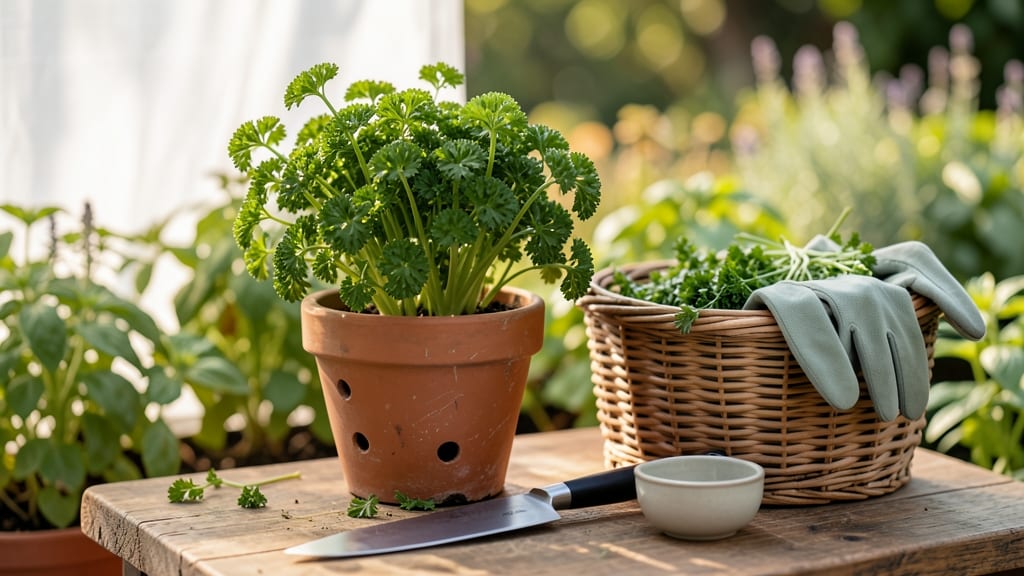
To harvest fresh parsley the right way means cutting stems at the base to keep your plant thriving 🌿 — and yes, you can (and should) do it multiple times all season long.
Picture this: you’ve finally grown a lush parsley plant, but every time you snip a few leaves, it looks ragged and stops growing. That’s because most gardeners don’t know the best way to harvest without sacrificing future harvests.
In this guide, I’ll walk you through the exact timing, tools, and techniques to harvest parsley for regrowth, plus how to store it so it stays fresh longer. Whether you’re a beginner or a seasoned gardener, these tips will help you enjoy a steady supply of flavorful parsley all season.
You’ll learn when to start harvesting, how to cut stems properly to encourage bushier growth, and even how to troubleshoot common issues like leggy plants. Ready to turn your parsley patch into a never-ending supply of fresh herbs?
When and how often to harvest parsley for maximum regrowth
Harvesting parsley at the right time ensures a continuous supply of fresh, flavorful leaves while preventing the plant from bolting too early. Unlike many herbs, parsley thrives when you cut it back regularly—but timing matters.
Curly parsley and flat-leaf varieties both follow similar principles, though curly types may regrow slightly slower after heavy harvesting.
The best time to harvest parsley is when the plant reaches 6-8 inches tall and has at least 6-8 mature leaves per stem. Look for vibrant dark green leaves that are fully unfurled but haven’t yet reached their maximum size.
Harvesting too early stunts growth, while waiting too long reduces flavor and encourages flowering.
Curly parsley can be harvested every 3-4 weeks throughout the growing season, while flat-leaf parsley often tolerates slightly more frequent cuts—every 2-3 weeks. The key is to never remove more than one-third of the plant’s foliage at once, as this stresses the roots and reduces regrowth potential.
Seasonal timing also plays a critical role. In spring and fall, parsley grows more slowly, so space harvests 4-6 weeks apart.
During summer’s peak growth, you can harvest every 2-3 weeks, but avoid cutting back after mid-August in warm climates—this triggers bolting (flowering) and ends leaf production.
🌿 Visual cues are your best guide: Harvest outer stems when they’re 3-5 inches long and have 3-5 leaf sets. Avoid cutting into the central growing point unless you’re harvesting the entire plant, as this halts regrowth.
Always use clean, sharp scissors to make clean cuts just above a leaf node.
| Factor | Curly Parsley | Flat-Leaf Parsley |
|---|---|---|
| Best Harvest Height | 6-8 inches | 6-8 inches |
| Ideal Leaf Size | 3-5 leaf sets | 4-6 leaf sets |
| Harvest Frequency | Every 3-4 weeks | Every 2-3 weeks |
| Max Cut per Session | 30% of foliage | 35% of foliage |
| Last Harvest Window | Before mid-August | Before mid-August |
| Regrowth Speed | Moderate (4-6 weeks) | Faster (3-4 weeks) |
After harvesting, always fertilize lightly with a balanced 5-10-5 NPK to encourage new growth. Water deeply at the base to reduce stress, and avoid overhead watering for 24 hours post-harvest to prevent fungal diseases like early blight.
In container gardens, harvest more frequently—every 2 weeks—since potted parsley grows faster and benefits from regular pruning.
If your parsley starts to bolt prematurely (send up flower stalks), it’s a sign you’ve waited too long between harvests or the plant is stressed. To salvage it, cut the flower stalks at the base and focus on harvesting the remaining leaves.
For next season, plant parsley in partial shade and harvest more aggressively to prevent bolting.
Pro tip: Label your parsley plants with the harvest date to track regrowth patterns. Over time, you’ll notice which varieties regrow best in your climate—some curly parsley types, like ‘Moss Curled’, regenerate faster than others. Adjust your schedule based on these observations to maximize your harvest.
🌱 Remember, parsley is a biennial in most climates, meaning it produces leaves the first year and flowers the second. If you live in a warm winter zone (USDA 8+), parsley may bolt in its first winter.
To extend harvests, plant new seeds every 3-4 weeks from spring to early summer for a continuous supply.
Step-by-step harvesting techniques to preserve parsley health
Harvesting parsley correctly is the secret to a bushier, more productive plant that keeps giving all season. Unlike many herbs, parsley thrives when you harvest it properly—not just whenever you need it. The right techniques prevent legginess, encourage new growth, and keep your parsley vibrant and flavorful for months.
Start by using the right tools and timing to avoid damaging the plant’s root system or triggering bolting. A sharp pair of pruning shears or clean scissors is essential—never rip leaves by hand.
This section breaks down the exact steps to follow, plus post-harvest care tips that make all the difference in regrowth.
How to Harvest Fresh Parsley
- 1 Wait for maturity: Harvest parsley when stems reach 6-8 inches tall and leaves are fully formed. Younger leaves are tender but less flavorful.
- 2 Use clean tools: Disinfect pruning shears or scissors with rubbing alcohol to prevent disease. Dull blades crush stems, slowing regrowth.
- 3 Cut outer stems first: Snip stems 1-2 inches above the soil line at a 45-degree angle. This encourages new side shoots to grow from the base.
- 4 Avoid over-harvesting: Never take more than 1/3 of the plant at once. Over-harvesting stresses parsley and can lead to bolting or death.
- 5 Post-harvest care: After cutting, water deeply and apply a light nitrogen fertilizer (like fish emulsion) to promote regrowth.
Avoid the common mistake of harvesting parsley by pulling leaves—this damages the root system and weakens the plant. Instead, always cut stems at the base to stimulate new growth from the crown.
If your parsley starts looking leggy or sparse, it’s often a sign of over-harvesting or insufficient light.
For curly parsley, focus on harvesting the outer leaves first to protect the plant’s center. This variety is more delicate and less tolerant of aggressive cutting than flat-leaf parsley. Always leave at least half the plant intact to ensure it continues producing.
After harvesting, store parsley in a sealed container with a damp paper towel in the fridge for up to 10 days. For long-term storage, freeze chopped parsley in ice cube trays with water or olive oil to preserve its flavor and nutrients.
With these techniques, your parsley will stay healthy, productive, and lush for years—no more sad, sparse plants! 🌿✂️🌱