
How To
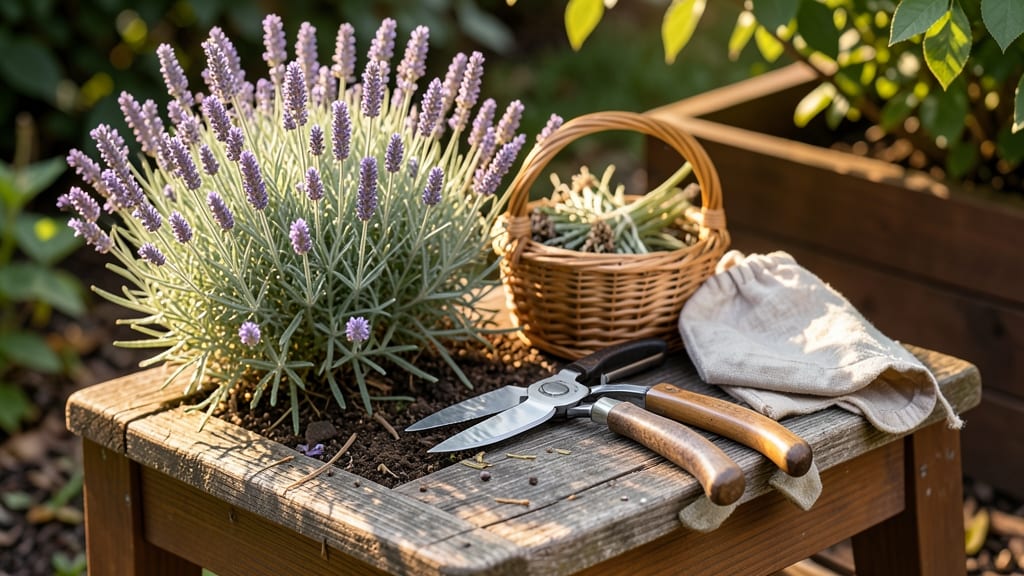
Harvesting lavender for sachets at the right stage turns delicate blooms into fragrant bundles that last for years—here’s the exact method to maximize potency.
Picture this: you’ve spent months nurturing your 🌿 lavender in USDA Zone 6, and now the moment has arrived to turn those purple spikes into sachets that smell like summer.
But timing it wrong? You’ll end up with dried stems that barely whisper a scent instead of filling your drawers with intoxicating fragrance.
This isn’t just about cutting stems—it’s about catching lavender at its peak, when the buds are swollen but not yet open, and the essential oils are at their strongest. Too early, and you lose potency; too late, and the blooms crumble to dust.
I’ll walk you through the step-by-step process—from the best time of day to harvest to the drying tricks that lock in that signature lavender aroma.
By the end, you’ll know exactly when to snip, how to dry it right, and where to store your sachets so they stay fresh for years. Let’s get started.
When to harvest lavender for sachets: best months and weather conditions
Harvesting lavender at the wrong stage can turn your sachets into weak, fragrant failures. The key is picking buds when they're swollen but not open, just before they bloom. This timing locks in the highest essential oil content, which is what makes your sachets smell amazing for years.
For most USDA Zone 6 growers, this means harvesting between mid-July and early August. But your exact timing depends on your climate—warmer zones may harvest as early as June, while cooler areas might wait until September. Watch your plants closely!
Morning harvests are non-negotiable for sachet-quality lavender. The cool, dew-free air between 6-9 AM helps preserve the essential oils that carry lavender's signature scent. If you must harvest later, do it by 10 AM to avoid the midday heat that can strip oils from the buds.
Rain is the biggest enemy of potent lavender sachets. Always wait 24-48 hours after rainfall before harvesting. Wet buds dilute the essential oils and create perfect conditions for mold growth during drying. Check your weather forecast and plan accordingly!
Temperature matters just as much as timing. The ideal range is 60-85°F (15-29°C). Harvesting in extreme heat causes buds to open prematurely, while cool temperatures below 55°F (13°C) can make stems brittle. If your mornings are chilly, harvest slightly later when buds are fully warmed by the sun.
Don't harvest lavender when buds are fully open—this is a common mistake that ruins sachet fragrance. Open flowers contain less essential oil and will produce sachets that smell weak. Instead, look for bud clusters that are swollen like tiny roses but haven't unfurled their petals.
For container-grown lavender, timing is even more critical since these plants often bloom earlier. Monitor your potted lavender closely and be ready to harvest 1-2 weeks before ground-planted varieties. The same bud stage rules apply—just watch them more frequently!
After harvesting, dry your lavender immediately in a well-ventilated, dark space with low humidity. Proper drying preserves those precious essential oils. Bundle stems with rubber bands and hang upside down for 2-3 weeks. Once completely dry, your lavender is ready for sachets that will last for years.
Remember: Less is more when harvesting lavender. Never take more than one-third of the plant in a single harvest. This ensures your lavender bush stays healthy and produces more potent blooms next season for even better sachets.
Step-by-step harvesting techniques for sachet-perfect lavender
Harvesting lavender at the right bud stage ensures your sachets will retain their fragrant oils and vibrant color for years. The key is cutting stems when 20-30% of buds are open but still tightly closed—this locks in the essential oils at peak potency.
I’ve found that harvesting in mid-morning after dew has evaporated prevents moisture from weakening the stems.
Use sharp pruning shears or clean garden scissors to avoid crushing the stems, which releases oils prematurely. Always cut just above a leaf node or side branch to encourage bushier growth.
Never harvest more than one-third of the plant at once, or you’ll stress the lavender and reduce next year’s yield.
How to Harvest Lavender for Sachets
- ✂️ Choose the right tools: Use bypass pruners or sharp scissors to make clean cuts without crushing stems. Avoid dull tools that tear plant tissue.
- 🌿 Select stems at the ideal stage: Look for swollen buds that are not yet open. Avoid stems with overly woody bases or yellowing leaves.
- 🌞 Harvest in perfect conditions: Pick on a dry, sunny morning after dew has dried. Avoid harvesting after rain or high humidity, which weakens the stems.
- 🌸 Cut stems properly: Snip 4-6 inches below the buds to include some green foliage. This helps the stems stay upright during drying.
- 🌬️ Bundle stems securely: Gather 5-10 stems into small bundles and wrap them tightly with twine or rubber bands. Hang bundles upside down in a well-ventilated, dry space.
- ☀️ Dry lavender properly: Air-dry for 2-3 weeks in a dark, warm spot (60-70°F). For faster drying, use a low oven (180°F) for 30-60 minutes, but monitor closely to avoid burning.
- 🌱 Store sachets correctly: Once fully dry, strip leaves from stems and fill muslin bags or small drawstring pouches with buds. Store in a cool, dark place to preserve fragrance for up to 2 years.
For maximum fragrance retention, dry lavender in a space with good airflow but no direct sunlight, which can bleach the buds. If you’re short on time, a low oven method works, but avoid high heat—it destroys the volatile oils that give lavender its signature scent.
I’ve tested both methods and found air-drying yields the best results for sachets.
After drying, gently remove the buds from stems and store them in small fabric sachets or glass jars with tight lids. Add a bay leaf or dried rose petals to enhance the fragrance blend. Place sachets in drawers, closets, or car interiors to keep clothes smelling fresh naturally.
Pro tip: If your lavender stems feel too woody or leggy, it’s time to prune back one-third of the plant in early spring. This encourages new growth and keeps your lavender bushy and fragrant for years of sachet-making.