
How To
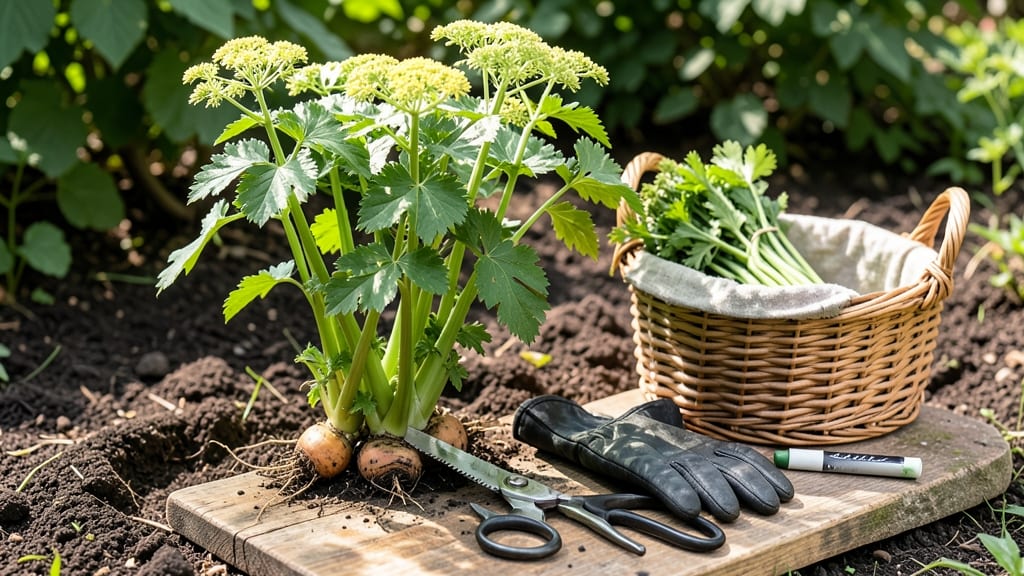
Harvesting lovage at the right time transforms its towering 🌿 stems into a kitchen game-changer—packed with celery-like flavor and medicinal properties.
Picture this: your lovage plants are now 18 inches tall, their leaves unfurled and aromatic, signaling the perfect moment to harvest before they bolt. Miss this window, and you risk bitter stems or wasted potential.
Whether you’re cutting stems for soups, leaves for garnishes, or saving seeds for next year’s garden, timing and technique make all the difference. Below, I’ll walk you through the step-by-step process, from tools to storage, so you never waste a single harvest.
You’ll also discover how to preserve lovage’s bold flavor—whether drying stems for winter teas, freezing leaves for quick cooking, or storing roots for perennial use. Let’s get started.
When and how to harvest lovage stems for maximum flavor
Harvesting lovage stems at the right time unlocks their boldest celery-like flavor while keeping your plant thriving. The ideal harvest window begins when stems reach 18 inches tall, typically in late spring to early summer (June-July in most USDA zones).
For perennials, this happens in year two when growth accelerates, while biennials may need one full growing season to reach harvestable size.
Timing matters because over-mature stems become woody and bitter. I always check for three key readiness signs: stems that snap cleanly (not bend like celery), dark green leaves with a strong aroma, and fully unfurled fronds.
Missing these cues means sacrificing both flavor and plant health—your lovage will struggle to recover if you harvest too aggressively.
How to Harvest Lovage Stems (Step-by-Step)
- Step 1: Choose the right stems – Select mature but flexible stems (18"+ tall) with fully developed leaves. Avoid harvesting flowering stems first, as they redirect energy to seed production.
- Step 2: Use sharp pruners or shears – Cut stems 2-3 inches above ground level at a 45-degree angle to prevent water pooling. Dull tools crush stems, inviting rot.
- Step 3: Leave 3-4 inches of growth – Never remove more than 1/3 of the plant at once. Perennials need regrowth energy, so I always leave at least 3-4 healthy stems to sustain the root system.
- Step 4: Harvest in the morning – Freshly cut stems contain peak moisture and flavor. Rinse gently under cool water, then store upright in a glass of water in the fridge for up to 5 days.
- Step 5: Fertilize after harvesting – Feed with balanced 5-10-10 fertilizer 10-14 days post-harvest to stimulate new growth. Avoid high-nitrogen fertilizers, which promote leafy growth at the expense of stem development.
Seasonal timing varies by climate: In cooler zones (USDA 3-5), harvest June through August when stems mature slowly. In warmer zones (6-9), the harvest window extends to September—but stop by early October to let plants replenish energy before winter dormancy.
I’ve found that late-season harvests (after first frost) yield sweeter stems as the plant converts starches to sugars.
Watch for over-harvesting signs like yellowing leaves, stunted growth, or bare stems. If your lovage looks stressed, pause harvesting for 4-6 weeks and focus on watering deeply (1-2 gallons per plant) and mulching with compost.
Perennials are resilient but won’t recover if you strip them bare—think of it like pruning a tree: you wouldn’t cut all the branches at once!
For maximum yield, I harvest every 4-6 weeks during peak season, always targeting the largest, most mature stems first. This encourages new side shoots to develop, giving you a continuous harvest through late summer.
Pro tip: Mark harvested stems with a ribbon or flag so you don’t accidentally cut the same ones twice!
Did you know? Lovage’s flavor peaks just before flowering. The celery-like aroma intensifies as stems mature, but once yellow flower buds appear, the leaves become bitter and fibrous. If you miss the stem harvest window, don’t despair—save the seeds!
Let a few stems flower, collect the oval brown seeds, and dry them for next year’s crop. 🌿
After harvesting, I always rinse stems thoroughly to remove dirt, then pat them dry with a clean towel. Store them upright in a jar of water in the fridge—this mimics their natural growth state and keeps them crisp for up to 2 weeks.
For long-term storage, dry the stems by hanging them in small bundles in a dark, well-ventilated space for 2-3 weeks. Once fully dried, strip the leaves and store them in airtight containers away from light. 🪴
Remember: Lovage is a perennial powerhouse that rewards patience. If you harvest responsibly, your plant will thrive for decades, producing larger stems and more flavorful leaves each year.
Start with 3-4 plants in your garden, and you’ll have a homegrown herb supply that rivals any store-bought alternative. Happy harvesting! ✂️
Harvesting lovage leaves: best practices for continuous yield
Lovage leaves pack a bold, celery-like flavor that peaks when harvested at the right size. Unlike stems, which are best cut for their thicker, woody texture, leaves should be picked young to maintain their delicate taste.
The ideal leaf size is 4-6 inches long, but never let them grow beyond 8 inches—this is when bitterness creeps in.
Harvesting leaves too aggressively can stunt your plant’s growth, so focus on selective cutting rather than stripping entire stems. This method encourages new leaf production while keeping your lovage bushy and productive. Think of it like pruning—you’re shaping the plant for a continuous harvest all season long.
Pros-Cons Box: Harvesting Lovage Leaves
✅ Pros
- 🌿 Peak flavor: Young leaves (4-6") taste sweeter
- 🌱 Encourages growth: Pinching stimulates bushier plants
- 📅 Continuous yield: Regular harvests extend season
- 💧 Less stress: Selective cutting preserves plant health
❌ Cons
- ⚠️ Over-harvesting risk: Removing too many leaves weakens plant
- 🌡️ Heat sensitivity: Leaves bolt faster in hot weather
- ✂️ Tool marks: Rough cuts can damage stems
- 🌧️ Wet leaves: Harvesting after rain spreads disease
For the best flavor, harvest lovage leaves in the morning after dew dries but before the midday sun intensifies. This timing preserves their oil content, which carries the aromatic compounds.
Use clean, sharp scissors or pruning shears to snip individual leaves just above a leaf node—this encourages new growth from that point.
The flavor profile differs between leaves and stems: leaves offer a milder, sweeter celery note, while stems deliver a stronger, more peppery kick. If you’re growing lovage for culinary use, prioritize leaves for garnishes and salads, while reserving stems for broths and stews.
This division ensures you maximize both flavors without overharvesting either part.
Avoid harvesting lovage leaves during dormant months (winter) or when the plant is stressed by heat or drought. These conditions force the plant to redirect energy to survival, leaving little for regrowth.
Instead, focus on light pruning in early spring to encourage vigorous new growth before the main harvest season begins.
To maintain a healthy lovage plant, never remove more than one-third of the leaves in a single harvest. Space out your cuts by 2-3 weeks to allow the plant to recover. With this approach, your lovage will reward you with lush, flavorful leaves from early summer through fall.