
How To
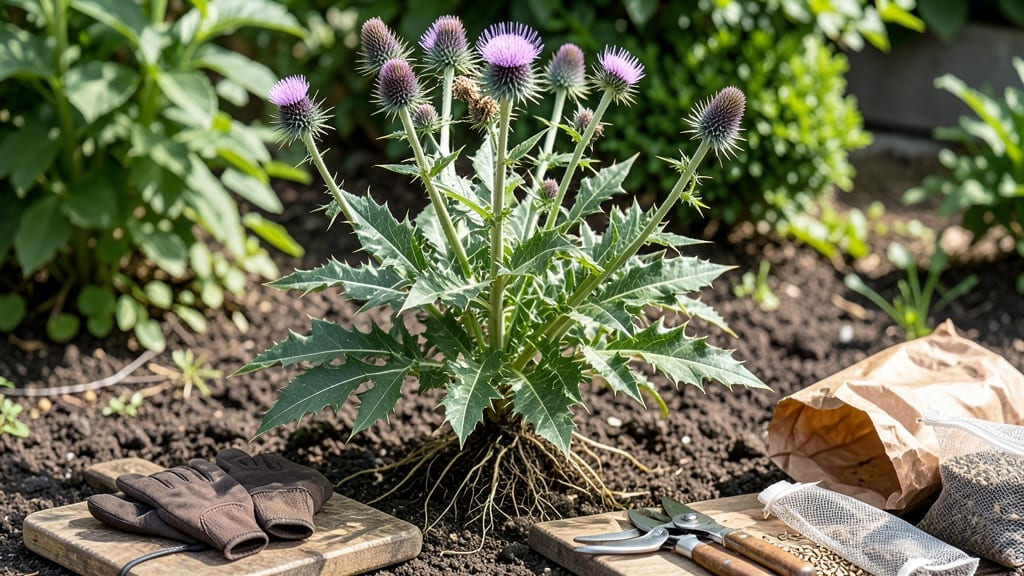
To harvest milk thistle at its peak for seeds or leaves, timing and technique are everything—wait too long, and you lose up to 70% of your yield.
Milk thistle 🌱 isn’t just a hardy perennial—it’s a medicinal powerhouse, but only when harvested correctly. One wrong move, and you’re left with bitter leaves or sterile seeds. The difference between a high-value crop and wasted effort often comes down to knowing when to act.
In this guide, I’ll walk you through the best time to harvest for seeds (late summer to early fall) and leaves (early season), plus the tools and tricks to preserve quality.
Whether you’re growing it for tea, tinctures, or just love its silvery foliage, these steps ensure you get the most from every plant.
You’ll also learn how to spot the perfectly ripe seed heads, avoid common mistakes like harvesting too early, and store your harvest for up to three years. Ready to turn your milk thistle into a garden goldmine?
When to harvest milk thistle seeds for optimal yield and potency
Harvesting milk thistle seeds at the wrong time can mean the difference between a high-yield crop and wasted effort. The optimal harvest window for maximum potency and germination is late summer to early fall, typically between August and October in most climates.
This timing ensures seeds are fully mature while avoiding the risks of frost damage or bird predation.
Milk thistle thrives in USDA Zone 6 and beyond, but your local climate plays a crucial role. In cooler regions, aim for late August to avoid early frosts.
Warmer climates can extend harvesting into early October, but never let seed heads remain on the plant past their peak ripeness—this reduces both yield and medicinal potency.
Identifying the perfect moment to harvest requires checking three key visual cues: brown, dry seed heads, a rattling sound when shaken, and yellowing leaves. These signs confirm the seeds are ready for collection and processing.
Waiting too long can lead to seed shattering or mold growth, while harvesting too early results in low germination rates and weaker medicinal properties.
| Stage | Visual Cues | Action | Best Time |
|---|---|---|---|
| Early Maturity | Green seed heads, no rattling | Wait 2-3 weeks | July-August |
| Peak Ripeness | Brown seed heads, loud rattling | Harvest immediately | Late August-October |
| Overripe | Seed heads cracked, mold risk | Discard or process | November+ |
🌱 Key: Harvest at peak ripeness for best results
Climate variations can shift your harvest window by 2-4 weeks. In dry climates, milk thistle may mature faster, while humid regions can delay ripening due to slower drying.
Always monitor your plants daily during the harvest window—a quick shake test with your ear near the seed head is the fastest way to confirm readiness.
Late harvesting doesn’t just reduce yield—it also diminishes medicinal potency. Silymarin, the active compound in milk thistle seeds, peaks at full maturity. If you wait too long, silymarin levels can drop by up to 40%, making your harvest less effective for teas or tinctures.
For medicinal use, prioritize harvesting at the first signs of full ripeness.
Birds are a major threat to late-season milk thistle crops. Once seed heads turn brown, they become a feast for finches and sparrows. To protect your harvest, cover plants with fine netting or harvest seed heads as soon as they’re ready.
Removing 20-30% of seed heads per week reduces bird damage while keeping your plants productive.
For wildflower gardens, you can leave some seed heads for natural dispersal, but always prioritize harvesting the majority at peak ripeness. This ensures both a reliable seed supply for next year’s garden and a steady yield for medicinal or culinary uses.
Balance is key—don’t over-harvest, but don’t let nature take it all.
Proper timing also affects seed storage life. Seeds harvested at peak ripeness can remain viable for 2-3 years when stored in a cool, dry place. Overripe seeds, however, may only last 6-12 months before losing viability.
Label your seed batches with the harvest date to track freshness and maximize germination rates for future plantings.
If you’re growing milk thistle for both seeds and leaves, prioritize seed harvests in the fall. The plant’s energy shifts toward seed production as it prepares for dormancy, so leaf quality naturally declines. For leaf harvests, focus on early summer when the foliage is most tender and nutrient-dense.
Finally, always harvest on a dry, sunny day to prevent mold growth during drying. Wet seed heads left in the field overnight can develop fungal issues, ruining your entire harvest.
With the right timing and care, you’ll unlock milk thistle’s full potential—whether for medicinal use, wildlife support, or garden propagation. 🌿
Step-by-step milk thistle harvesting guide: tools and techniques
Harvesting milk thistle seeds at the right time ensures maximum yield and potency, but the process requires the right tools and techniques. Start by gathering pruning shears, thick gardening gloves, and a clean drying rack to protect your hands and preserve seed quality.
The spiky seed heads demand careful handling—skipping gloves risks painful pricks and lost seeds.
Once you’ve prepped, focus on removing fully mature seed heads only. These appear brown and crispy, with seeds that rattle when shaken. Early harvesting (green seed heads) reduces potency, while waiting too long invites bird damage or seed loss.
Aim for late August to October in most climates for peak harvest timing.
How to Harvest Milk Thistle Seeds
-
Step 1: Gather Tools
- ✂️ Pruning shears (for clean cuts)
- 🧤 Heavy-duty gloves (thorn protection)
- 📦 Paper bags (seed collection)
-
Step 2: Identify Ready Seed Heads
- 🟤 Brown and dry (not green)
- 🔊 Seeds rattle when shaken
- 🍂 Leaves yellowing (plant senescing)
-
Step 3: Cut Seed Heads
- 🌿 Snip 1-2 inches below the seed head
- 🌡️ Avoid wet mornings (prevents mold)
- 🌧️ Harvest on dry days for easier handling
-
Step 4: Dry Seed Heads
- 🪴 Hang upside-down in a dry, dark space
- ☀️ No direct sunlight (prevents seed degradation)
- ⏳ 2-3 weeks until seeds rattle freely
-
Step 5: Store Seeds
- 📦 Air-tight containers (glass or metal)
- 🌡️ Cool, dark place (below 70°F)
- ⏰ Viable for 3 years if stored properly
After harvesting, dry the seed heads thoroughly in a well-ventilated area to prevent mold. Spread them on a mesh screen or hang them upside down—this preserves seed viability while making extraction easier. Once fully dry, gently rub the seed heads over a paper bag to separate seeds from chaff.
Store your harvested milk thistle seeds in an airtight container away from moisture and light. Proper storage maintains potency for up to 3 years, making them ideal for medicinal teas or garden replanting. Label containers with the harvest date to track freshness.
For leaf harvesting (young, tender leaves), use the same gloves and shears but harvest in early spring before flowering. Cut leaves just above a leaf node to encourage regrowth. Rinse leaves thoroughly to remove any pesticide residue before using.