
How To
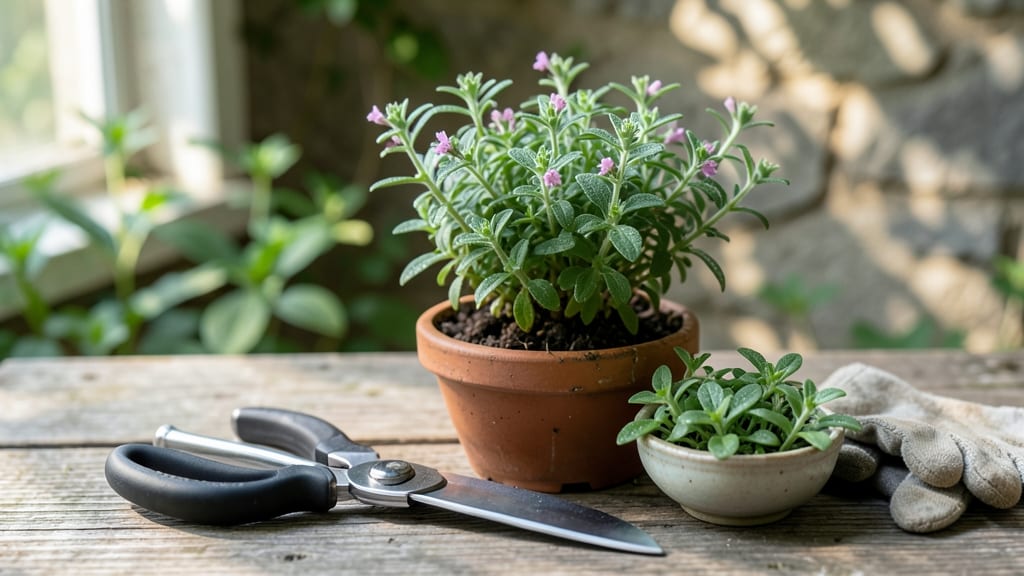
How to harvest oregano without killing the plant keeps your plant thriving and your kitchen stocked with fresh flavor 🌿—but one wrong cut can leave you with a sad, leggy bush.
You’ve probably heard that pruning encourages growth, but oregano is delicate. Cut too much or at the wrong time, and you’ll stress the plant, leaving it weak or even dead. The key is timing, technique, and knowing how much to take without overdoing it.
In this guide, I’ll walk you through the best time to harvest—before flowering, when the leaves are most aromatic—and how to use sharp scissors or clean fingers to trim just enough to keep your oregano bushy and productive.
You’ll also learn how often to harvest, what to avoid, and simple post-harvest care to ensure your oregano keeps growing strong all season long.
The best time and method to harvest oregano safely
Harvesting your oregano at the right time ensures you get the most flavorful leaves while keeping your plant healthy and productive. The best window for harvesting is from late spring through early fall, when the plant is actively growing but hasn’t yet started flowering.
This typically means harvesting between June and September in most climates, depending on your last frost date.
If you harvest too early, your plant may not have enough energy to recover, while harvesting too late—after flowering—can reduce flavor and weaken the plant for the next growing season.
The key is to strike a balance: harvest regularly but never take more than one-third of the plant at once. This rule prevents stress and encourages bushier, more abundant growth.
Now that you know when to harvest, let’s focus on how to do it correctly. Using the wrong technique can damage stems, invite disease, or even kill your oregano. Here’s a step-by-step guide to harvesting oregano without killing the plant:
Use clean, sharp pruning shears or your fingers to pinch stems. Avoid dull scissors, which can crush stems and cause damage.
Look for woody but not brittle stems that are at least 6 inches tall. Avoid cutting into the base of the plant or stems that are already woody and hard.
Make your cut just above a set of leaves (a leaf node) to encourage new growth from that spot. This promotes bushier growth and prevents bare stems.
Remove no more than one-third of the plant in a single harvest. This rule ensures your oregano has enough foliage to continue photosynthesizing and growing.
Stop harvesting once flowers appear. Flowering signals the end of the plant’s prime growth cycle, and leaves lose flavor. Prune flowers to redirect energy back to leaf growth.
Rinse harvested sprigs with cool water to remove dirt, then pat dry. Store in the fridge for up to 2 weeks or dry for long-term use.
After harvesting, your oregano will need time to recover. Within 2-4 weeks, you’ll notice new growth sprouting from the leaf nodes where you made your cuts. This is a sign your plant is healthy and ready for another harvest.
If you notice leggy growth or sparse foliage, it’s time to adjust your harvesting frequency or provide more sunlight.
One common mistake is harvesting too aggressively in late summer or early fall. As temperatures drop and daylight shortens, your oregano enters dormancy. Cutting back too much during this time can weaken the plant, making it harder to recover in spring.
Instead, reduce harvesting frequency and focus on light pruning to shape the plant.
For potted oregano, harvesting is even more critical because space is limited. Follow the same rules—never remove more than one-third of the plant—and consider trimming outer stems first to encourage inward growth. This keeps your potted oregano compact and bushy, perfect for container gardening.
Finally, always harvest on a dry, sunny morning. This allows the leaves to dry quickly and reduces the risk of fungal diseases. Avoid harvesting after rain or in the evening, when humidity is higher. With these techniques, your oregano will stay healthy, flavorful, and productive for years to come.
Common harvesting mistakes that harm oregano plants
Even experienced gardeners accidentally harm their oregano plants during harvest. The most common mistake? Over-trimming—cutting more than one-third of the plant at once can shock it into dormancy or even death. Oregano is a perennial herb, meaning it relies on consistent care to thrive year after year.
Another frequent error is cutting into woody stems. When stems harden, they no longer produce new growth. If you snip too low, your oregano may never recover. Plus, harvesting during dormancy (winter months) weakens the plant, as it’s already conserving energy for survival.
Finally, ignoring regrowth signals can lead to leggy, sparse plants. If you wait too long between harvests, the oregano stretches toward sunlight, producing fewer flavorful leaves. The key is balance—harvesting enough for your needs without overdoing it.
⚠️ How to Harvest Oregano Without Killing the Plant
Mistake: Cutting into woody stems or removing more than 1/3 of the plant at once.
Fix: Always trim just above a leaf node (where new growth emerges) and never take more than 20-30% of the plant per harvest. Use clean, sharp scissors to avoid tearing stems.
Timing Tip: Harvest in the morning after dew dries (between 6 AM and 10 AM) for the freshest flavor and to reduce stress on the plant.
Harvesting during dormancy (late fall to early spring) is another silent killer. Oregano slows growth in cooler months, and pruning then forces it to expend energy it doesn’t have. Instead, focus on light pruning in early spring to encourage new shoots before the growing season peaks.
Pay attention to your plant’s regrowth signals. If leaves grow back quickly after harvest, you’re on the right track. If growth slows or stems become sparse, you’re likely harvesting too much. A healthy oregano plant should bounce back within 2-3 weeks after a proper trim.
To keep your oregano thriving, space harvests 4-6 weeks apart during the growing season. This gives the plant time to recover and ensures a steady supply of aromatic leaves all summer long. With the right technique, your oregano will reward you with year-round harvests and a bushy, vibrant plant.