
How To
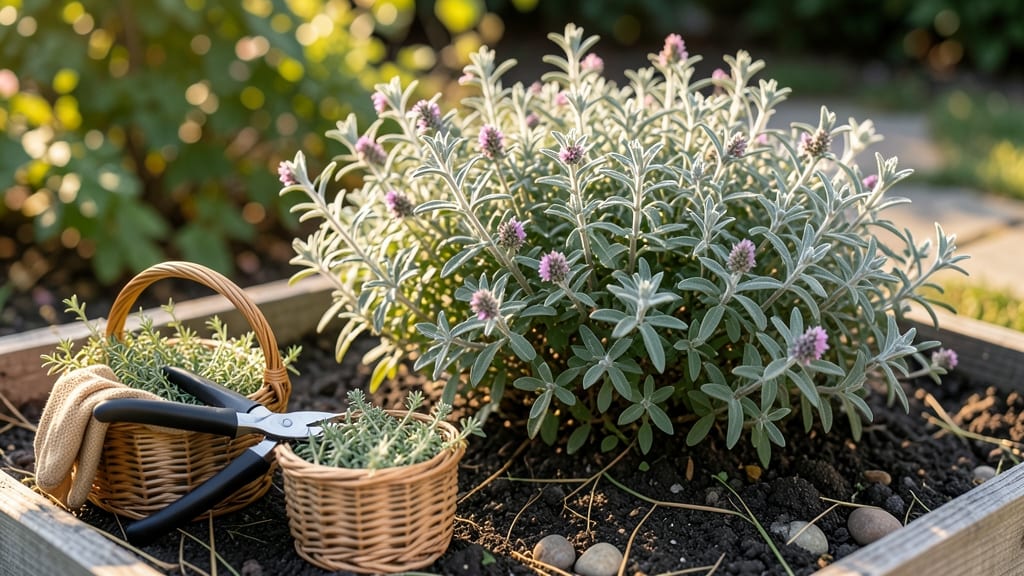
To harvest thyme so it keeps growing, focus on trimming just above leaf nodes when flower stems appear—this encourages bushier regrowth and prevents woody stems.
Harvesting thyme incorrectly can stunt its growth—or even kill it—but the right technique turns pruning into a secret weapon for lush, bushier plants year after year.
Most gardeners assume cutting back hard is best, but over-pruning weakens thyme. Instead, snip stems at the base of flower buds in late spring or early summer, and you’ll see new shoots within weeks.
Below, I’ll walk you through the exact timing, tools, and aftercare steps to keep your 🌿 thyme thriving—plus the common mistakes that sabotage regrowth.
When and how to prune thyme for continuous growth
Thyme thrives when you prune it correctly, but timing and technique make all the difference. Pruning at the right time—just before flowering or in early spring—stimulates bushier regrowth while preserving the plant’s health.
The key is cutting above leaf nodes (where leaves meet stems) to encourage new shoots without stripping the plant of its energy.
Many gardeners mistakenly prune too late in the season or cut stems too short, which weakens thyme. Science shows that thyme responds best to light pruning every 4-6 weeks during its active growing season (spring through early fall). This method keeps your thyme dense, aromatic, and productive for years.
Step-by-Step: How to Prune Thyme for Bushier Regrowth
-
Step 1: Choose the right time
Prune in early spring (March-April) or late summer (August-September) to avoid shocking the plant. Never prune when thyme is flowering heavily unless you want to harvest the flowers. -
Step 2: Select stems to cut
Pick 3-4 healthy stems per plant, focusing on non-flowering branches first. Avoid cutting more than 1/3 of the plant at once to prevent stress. -
Step 3: Use clean, sharp shears
Disinfect your pruning shears with rubbing alcohol to prevent disease. Cut stems at a 45-degree angle just above a leaf node (the bump where leaves grow). -
Step 4: Prune for shape and health
Remove dead or woody stems first, then trim back overly long branches to encourage compact growth. Never cut into old wood—thyme won’t regrow from bare stems. -
Step 5: Post-pruning care
Water deeply after pruning and apply a light mulch (like straw) to retain moisture. Avoid fertilizing immediately—wait 4-6 weeks to let the plant recover.
🌿 Pro Tip: Harvest thyme in the morning for the strongest flavor, and always leave at least half the plant intact to sustain growth.
Pruning thyme in early spring sets the stage for a fuller, more productive plant by the time summer arrives. This is when thyme’s new growth is most vigorous, and cutting back old stems signals the plant to focus energy on leafy regrowth rather than flowering.
For container-grown thyme, prune slightly more aggressively to maintain shape.
If you’re growing thyme for its culinary uses, focus on harvesting tender new shoots rather than just pruning for shape.
These young leaves are the most flavorful, and removing them encourages the plant to produce even more. Never harvest more than 1/3 of the plant in a single session, or you’ll risk weakening it.
For ornamental thyme varieties (like golden thyme or creeping thyme), pruning is all about maintaining shape and density.
Use the same techniques but adjust your cuts to encourage bushier habits rather than just trimming for harvest. Creeping thyme, in particular, benefits from light shearing to keep it compact and prevent legginess.
One common mistake is pruning thyme too late in the season, which can leave it vulnerable to winter damage. By mid-to-late fall, thyme enters dormancy, and heavy pruning can stimulate new growth that won’t harden off before frost.
If you must prune in fall, do it lightly in September to tidy up but avoid major cuts.
Thyme’s regrowth speed depends on light, soil, and water. After pruning, place your thyme in a sunny spot with well-draining soil and water deeply but infrequently. Overwatering can drown thyme’s roots, while underwatering stresses the plant. Aim for 1 inch of water per week during active growth.
With the right pruning technique, your thyme can produce continuously for years. The key is consistency and patience—thyme doesn’t respond well to aggressive pruning, but it rewards gentle, regular maintenance with lush, fragrant foliage all season long.
Start with these steps, and you’ll have a thyme plant that thrives instead of struggles.
Common harvesting mistakes that stunt thyme growth
Thyme thrives when you harvest it correctly, but even small mistakes can weaken your plant or stop regrowth entirely. Cutting too aggressively or harvesting at the wrong time sends your thyme into survival mode instead of encouraging bushier, more productive growth.
I've seen gardeners accidentally turn their thyme bushes into woody sticks by pruning incorrectly—don't let that happen to you!
One of the biggest mistakes is harvesting new growth too early in the season. Young thyme plants need time to establish strong roots before you start pruning. Even mature plants can suffer if you cut back more than one-third of the foliage at once.
The key is patience and precision—harvesting the right stems at the right time keeps your thyme lush and productive for years.
⚠️ How to Harvest Thyme So It Keeps Growing
Never cut below the bottom set of leaves—this removes the plant's energy source. Instead, always trim just above a leaf node (where leaves meet the stem) to encourage new shoots to form. Use clean, sharp pruning shears and harvest in the morning after dew dries for the best flavor and plant health.
Another common error is harvesting flowering stems without realizing they're the plant's energy reserve. When thyme flowers, those stems contain stored nutrients that help the plant survive winter. Removing them too early can leave your thyme weak and stunted.
If you want to harvest floral thyme, wait until the flowers fully open—this ensures you're not depriving the plant of its natural resources.
Over-pruning in late summer or fall is a recipe for disaster. Thyme needs time to harden off before winter, and aggressive cuts too close to frost can leave it vulnerable to cold damage.
If you must prune in fall, do it 6-8 weeks before frost and keep cuts light—focus on tidying up rather than harvesting. This gives your thyme time to recover and prepares it for dormancy.
If you've already made these mistakes, don't panic! Thyme is resilient, and with the right care, you can revive even heavily pruned plants. Start by reducing watering slightly to prevent root rot from stress.
Then, apply a light layer of compost around the base to provide nutrients without overwhelming the plant. Within 4-6 weeks, you should see new growth emerging from the base.
Remember, thyme's secret to long-term growth is consistent, gentle harvesting. By avoiding these common mistakes and following the right techniques, your thyme will reward you with dense foliage, strong aroma, and years of productive harvests.
The more you practice, the easier it becomes to recognize when your thyme needs a little TLC versus a full pruning session. 🌿