
How To
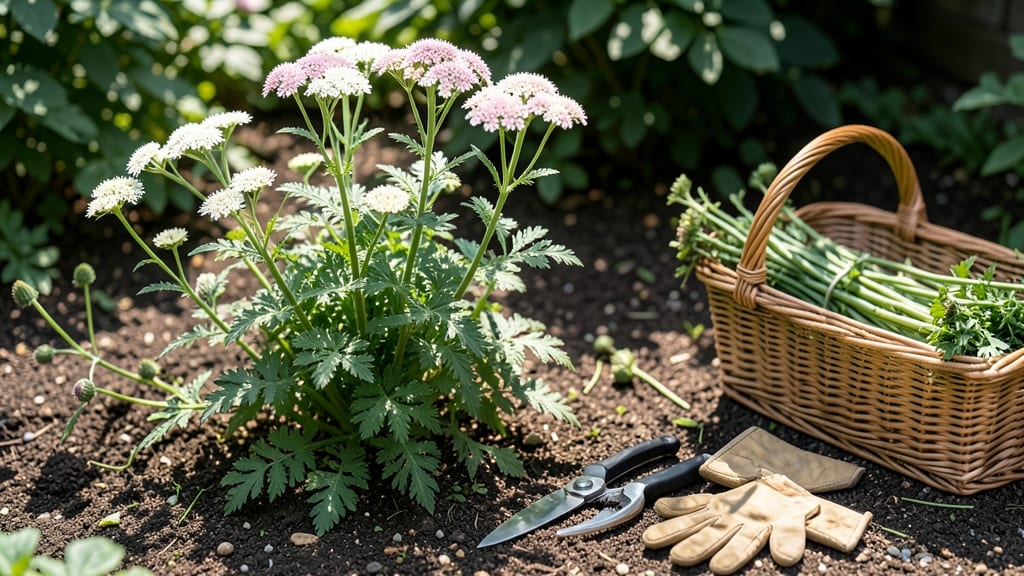
To harvest yarrow at its peak for dried flowers or medicinal leaves, you’ll need to time it right—just before the buds fully open for the brightest blooms and the most potent compounds.
Picture this: you’ve spent months nurturing your 🌼 yarrow, and now it’s ready to reward you with vibrant flowers or healing leaves. But harvest too early, and you’ll miss the flavor; too late, and the potency fades.
The secret lies in knowing exactly when to snip for the best results, whether you’re drying bouquets or crafting remedies.
Yarrow thrives in USDA Zone 6a, and the best time to harvest falls between June and September, when the plant is in full swing. For dried flowers, aim for early morning after the dew dries but before the sun peaks—this preserves color and structure.
For medicinal leaves, younger growth packs the most antioxidants, so focus on the freshest foliage.
Inside, you’ll discover the step-by-step method for cutting stems without harming the plant, how to dry your harvest for long-term use, and creative ways to put your yarrow to work—from garden decor to homemade teas. Let’s get started!
When to harvest yarrow for dried flowers: best timing by growth stage
Harvesting yarrow (Achillea millefolium) at the right time ensures vibrant dried flowers that retain their shape and color for years. The best harvest window for dried flowers is when buds are just beginning to open—typically mid-to-late summer in most climates.
At this stage, the petals hold their structure and won’t crumble during drying, making them perfect for bouquets, potpourri, or herbal remedies.
Timing is everything! Harvesting too early (when buds are closed) or too late (when flowers are fully open) can lead to weak stems, faded colors, or brittle petals. For optimal drying results, aim to harvest on a dry, sunny morning after morning dew has evaporated.
This minimizes moisture content, speeding up the drying process and preserving the natural hues of purple, white, or yellow.
Yarrow thrives in USDA Zones 3-9, but regional climate variations affect harvest timing. In cooler northern zones, harvest between July and early August, while southern gardeners can extend harvesting into September or even October before frost.
Always check your local last frost date to avoid harvesting damaged flowers.
Here’s a quick reference for ideal harvest cues:
| Stage | Harvest Time | Visual Cues | Best For |
|---|---|---|---|
| Bud Stage | Mid-to-late summer | Bud petals slightly open (like a butterfly) | Dried flowers, potpourri |
| Early Bloom | Late summer | Flower heads 20-30% open | Medicinal teas, tinctures |
| Full Bloom | Late summer/early fall | Petals fully open, soft stems | Avoid for drying (use fresh) |
When harvesting, use clean, sharp pruners or scissors to cut stems at a 45-degree angle, about 2-3 inches below the flower head. This encourages new growth and prevents disease.
For larger harvests, focus on outer stems first to avoid overcrowding the plant’s center, which can lead to leggy growth or reduced flowering.
After cutting, remove any damaged or yellowing leaves from the stems to improve airflow during drying. Bundle stems into small groups of 5-10 and secure with a rubber band or twine.
Hang bundles upside down in a well-ventilated, dark, and dry space (like a closet or attic) away from direct sunlight. This prevents fading and preserves the bright colors and delicate structures of the petals.
Drying typically takes 1-3 weeks, depending on humidity levels. Test for readiness by gently rubbing a petal—if it crumbles easily, it’s fully dried. Store dried yarrow in airtight containers away from light to maintain potency for up to 1-2 years.
For longer shelf life, consider vacuum-sealing or using silica gel packets to absorb excess moisture.
Pro tip: If you’re harvesting for both dried flowers and medicinal leaves, prioritize the flowers first. Leaves can be harvested throughout the growing season, but their medicinal properties peak in early summer when they’re most vibrant.
Always leave at least one-third of the plant unharvested to ensure continued growth and flowering.
Remember, yarrow is a self-seeding perennial, so proper harvesting encourages future blooms. With the right timing and care, you’ll enjoy beautiful dried arrangements and potent herbal remedies for years to come. Happy harvesting! 🌼
Harvesting yarrow leaves for medicinal use: leaf selection & processing tips
When harvesting yarrow leaves for medicinal use, timing and technique make all the difference. The youngest leaves—typically found at the tips of new growth—contain the highest concentration of volatile oils and antioxidants.
These compounds are most potent in the morning, when the plant’s natural sugars and essential oils peak after a night’s rest.
For maximum potency, focus on leaves from the upper third of the plant, especially those that are deep green and slightly fuzzy. Avoid older, yellowing leaves, as they’ve lost much of their therapeutic value.
If you’re harvesting for tinctures or teas, aim for a cloudy morning in June or July, when the plant is in its prime.
⚠️ callout warning
- Harvesting after rain – Leaves absorb excess moisture, slowing drying and risking mold.
- Cutting more than 1/3 of the plant – Over-harvesting weakens yarrow and reduces future yields.
- Using dirty tools – Bacteria on scissors or pruners can contaminate your harvest.
Pro Tip: Always sanitize tools with rubbing alcohol before and after harvesting.
To harvest, use clean, sharp pruners or your fingers to gently pinch off leaves just above a leaf node. This encourages bushier growth and prevents disease. For larger batches, opt for hand-pruning—it’s gentler on the plant than shearing entire stems.
Always leave at least half the foliage to ensure the plant continues photosynthesizing.
Once harvested, process leaves quickly to preserve their medicinal properties. Spread them in a single layer on a mesh screen or hang small bundles upside down in a well-ventilated, dark space with temperatures between 70-90°F.
Avoid direct sunlight, which can degrade delicate compounds like achilleine and sesquiterpene lactones.
Drying time varies—young leaves dry in 3-5 days, while thicker stems may take up to 10 days. Test for readiness by crumbling a leaf; it should break easily with no moisture.
Store dried leaves in airtight glass jars away from light and humidity, where they’ll retain potency for up to 1-2 years.
For tinctures or poultices, finely chop dried leaves before storage to maximize surface area. If you’re new to yarrow, start with small batches to test potency—some people experience mild allergic reactions. Always consult a healthcare provider before using herbal remedies, especially if you’re pregnant or on medication.