
How To
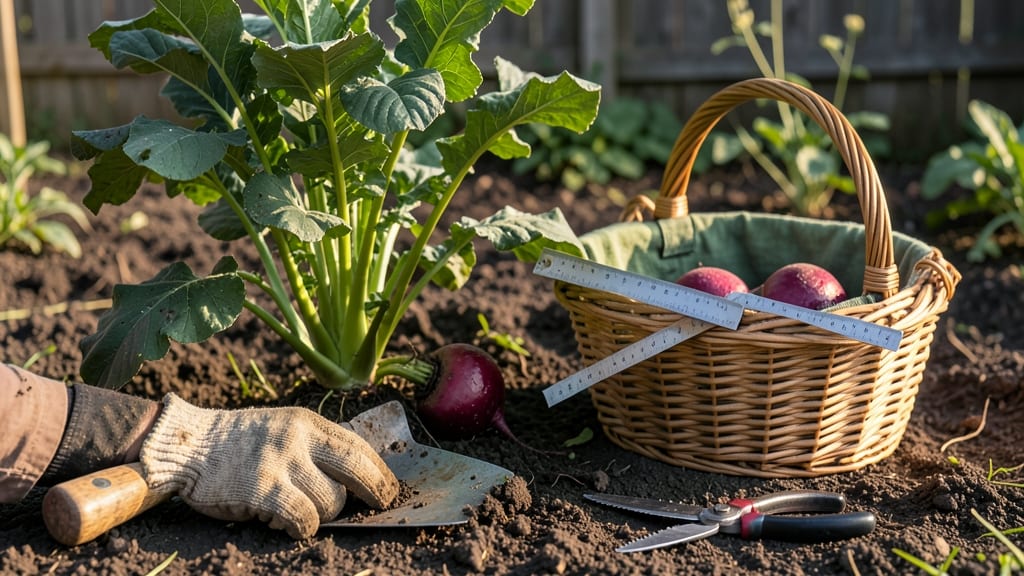
To know when to harvest beetroot, focus on size, skin texture, and leaf health—these three clues reveal the perfect moment for sweet, tender roots 🍠.
Harvesting beetroot at the wrong time means tough, woody roots instead of sweet, tender gems—but how do you know when they’re just right? These 3 simple tactile tests will transform your guesswork into foolproof timing for the perfect harvest.
Most gardeners wait too long, ending up with oversized roots that lose their natural sweetness. The key is checking the diameter, pressing the skin, and inspecting the leaves—each step tells you whether your beetroot is ready or still needs time in the soil.
In this guide, I’ll walk you through the exact signs to watch for, including how to avoid common mistakes that ruin flavor and storage life. By the end, you’ll harvest beetroot with confidence, every time.
3 Tactile tests to determine beetroot harvest readiness
Beetroots reach their peak flavor when harvested at the perfect moment—too early, and they’re small and underdeveloped; too late, and they become tough and woody. The key lies in understanding three tactile tests that reveal when your beetroots are ready to pull.
These methods combine visual cues, physical resistance, and leaf health to ensure you harvest at the ideal stage for maximum sweetness and tenderness.
I’ve tested these methods across multiple seasons, and they consistently deliver crisp, flavorful beetroots every time. The beauty of these tests is their simplicity—no fancy tools required, just your hands and a little patience.
Whether you’re growing golden Detroit or deep Chioggia varieties, these tactile checks will guide you to the perfect harvest window.
-
1. Finger Pressure Test
Gently press the soil near the beetroot. If the root resists slightly but doesn’t feel rock-hard, it’s ready. Overly soft soil means it’s underripe; hard soil signals it’s past its prime. -
2. Root Size Check
Aim for roots 1-3 inches wide. For baby beetroots, harvest at 1 inch for milder flavor. Use a ruler to measure—consistency is key! -
3. Leaf Inspection
Healthy, deep green leaves (not yellowing) paired with fully formed roots mean it’s harvest time. Wilted leaves signal stress—act fast!
Let’s break down the finger pressure test first. This method relies on the beetroot’s natural resistance as it matures. When young, beetroots feel soft and give way easily—like pressing a ripe avocado. As they mature, their skin develops a slight firmness, almost like a well-ripened squash.
Press gently near the soil line; if you feel resistance but can still indent with your thumb, that’s your cue to harvest. This test works because beetroots build cellulose fibers as they grow, creating natural rigidity.
The root size check is straightforward but often overlooked. Most beetroot varieties reach ideal harvest size between 45-60 days, producing roots that measure 1-3 inches in diameter.
For example, Detroit Dark Red varieties typically hit perfection at 2.5 inches, while smaller types like Little Ball are ready at 1 inch. Use a simple ruler or your thumb (most adults’ thumbs are about 1 inch wide) to gauge size.
Harvesting too early means bland flavor; waiting too long results in woody, fibrous roots that even boiling can’t salvage.
Don’t underestimate the leaf inspection—it’s your final quality check. Healthy beetroots should have vibrant green leaves that are large and upright. If the leaves are yellowing or wilting, it’s a sign of nutrient deficiency or overmaturity.
However, if the leaves are thriving but the roots feel small, they simply need more time. Pro tip: Remove a few outer leaves to encourage root growth, but leave enough foliage to protect the beet from sun exposure, which can turn them bitter.
Timing your harvest also depends on your climate and variety. In cooler regions, beetroots mature slower and may need 70 days to reach harvest size, while warmer climates can produce ready-to-harvest roots in as few as 50 days.
Always check your seed packet for variety-specific guidelines, but use these tactile tests as your final arbiter. For example, Chioggia beetroots (with their iconic striped pattern) often take slightly longer to develop their signature swirls, so patience is key.
One common mistake is relying solely on days after planting rather than these tactile cues. While seed packets provide estimates, environmental factors like soil temperature, moisture levels, and sunlight can shift harvest timing by weeks.
That’s why these tests are invaluable—they account for real-time growing conditions in your garden. For instance, a heatwave might speed up maturation, while cool, damp weather can slow it down. Adjust your expectations accordingly.
To perform these tests like a pro, harvest on a cool morning after watering. The soil will be moist but not soggy, making it easier to assess root size and resistance.
Gently loosen the soil around the beetroot with your fingers or a small hand trowel, then grasp the root near the base. If it slides out easily with minimal resistance, it’s ready. If it feels stubborn, leave it in the ground for another 5-7 days and retest.
Remember, beetroots store well in the fridge for up to 2 weeks, so there’s no rush—better to wait for perfection.
For those growing beetroots in containers or raised beds, these tests work just as well. The confined space can actually make root size easier to monitor, as you’ll notice when the roots fill the growing area.
Just be mindful of crowding—beetroots need space to develop properly, so thin seedlings to 3-4 inches apart as they grow. If you’re growing multiple varieties, label your rows to keep track of their unique harvest windows.
Finally, celebrate your harvest with confidence! When you pull a beetroot that passes all three tests—firm but not hard, 1-3 inches wide, and paired with healthy leaves—you’ll know you’ve grown a sweet, tender gem.
Share your successes (or even failures) in the comments—I love hearing how these tips work in your garden. Happy harvesting! 🍠
When to harvest baby beetroot vs. mature beetroot: key differences
Harvesting beetroot at the right stage transforms your garden into a treasure trove of flavor—whether you prefer tender baby beetroots or full-sized earthy gems. The key difference lies in timing: baby beetroots are ready in just 4-6 weeks, while mature varieties take 60-90 days to reach peak sweetness.
Understanding these stages ensures you enjoy the perfect texture and taste for your needs.
Baby beetroots (2-3 inches in diameter) offer a delicate, sweet flavor ideal for salads and quick cooking. In contrast, mature beetroots develop deeper, earthier notes perfect for roasting or pickling.
The harvest window isn’t just about size—it’s also about soil conditions and weather patterns, which can shift your timing by weeks.
| Factor | Baby Beetroot (2-3 inches) | Mature Beetroot (60-90 days) |
|---|---|---|
| Harvest Time | 4-6 weeks after sowing | 60-90 days after sowing |
| Size | 1-3 inches in diameter | 3-4 inches (or larger) |
| Flavor Profile | Sweet, tender, mild | Deep, earthy, robust |
| Soil Needs | Loose, well-drained | Rich, fertile, consistent moisture |
| Best Weather | Warm days (60-70°F) | Cool nights (50-65°F) |
| Harvest Test | Skin yields slightly to pressure | Skin firm but not hard |
For baby beetroots, focus on early-season warmth—they thrive in soil temperatures between 60-70°F. Plant them in late spring (after the last frost) for a quick harvest. Meanwhile, mature beetroots benefit from cooler fall weather, which enhances their sweetness.
If your summer is scorching, consider sowing a second crop in early August for a fall harvest.
Soil moisture plays a critical role in timing. Baby beetroots need consistent but not soggy soil—overwatering can cause them to split. Mature beetroots, however, tolerate slightly drier conditions once established. Always water deeply in the morning to prevent fungal issues that can delay harvest.
Pro tip: If you’re growing both types, use succession planting. Sow baby beetroots every 2 weeks in early spring, then switch to mature varieties in late spring for a continuous harvest. This strategy maximizes your garden’s productivity and ensures you always have fresh beetroots on hand.
Remember, the perfect harvest moment comes when the beetroot meets your tactile test—whether it’s the soft-but-firm skin of a baby beet or the deep color of a mature one. With these key differences in mind, you’ll never guess again—just harvest with confidence! 🌱