
How To
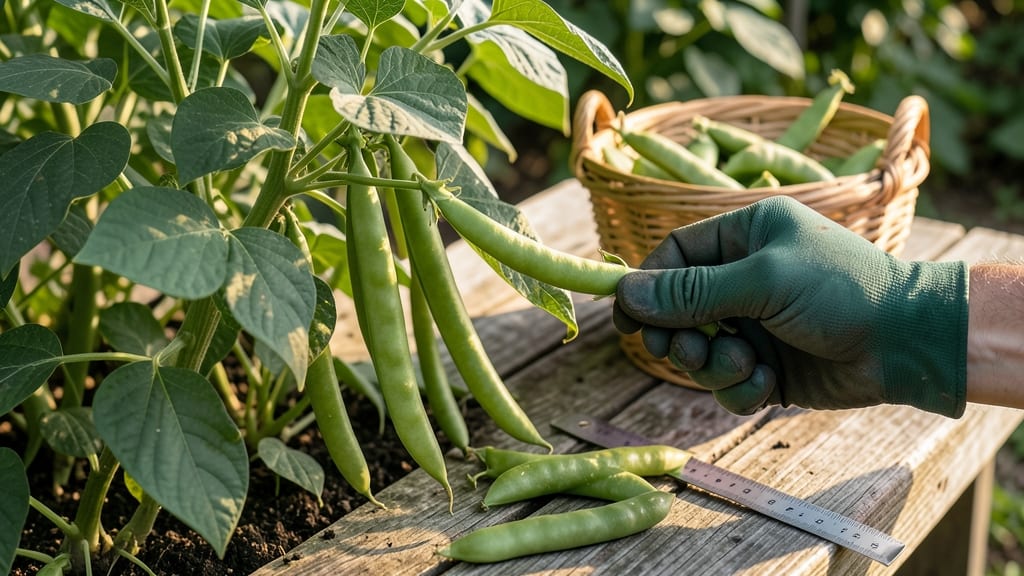
Knowing when to harvest green beans is all about catching them at their peak — when pods are 4–6 inches long, snappy, and still tender 🌱.
Picking green beans at the wrong time can turn crisp, sweet pods into tough, stringy disappointments — so timing is everything. One day too late, and you’re left with overgrown beans that taste bland or even woody.
Most gardeners wait until the pods reach 4–6 inches and snap easily when bent, but color and texture matter just as much. A quick check in the morning (when beans are firmest) ensures you never miss the window.
Below, I’ll break down the exact cues to watch for, seasonal tweaks for June–September harvests, and how to keep your plants producing all season long.


Green bean pod size and color: the exact harvest indicators you need
Timing your green bean harvest correctly means the difference between tender, crisp pods and woody, stringy disappointments. The key lies in understanding three critical factors: pod size, color, and texture.
Each variety—whether bush beans or pole beans—has its own ideal window, but these universal cues will help you nail it every time.
For bush beans, which grow in compact plants, the harvest window is typically shorter—just 3-5 days between ideal ripeness and overmaturity. Pole beans, on the other hand, produce continuously for weeks, giving you more flexibility.
But regardless of type, ignoring these visual signals means missing the sweet spot where flavor and texture peak.
Here’s the exact breakdown of what to look for, including color gradients and size benchmarks that separate perfect pods from past-their-prime ones.
| Harvest Cue | Bush Beans | Pole Beans | Action |
|---|---|---|---|
| Pod Length | 4–5 inches | 5–6 inches | Harvest immediately |
| Pod Width | ½–¾ inch | ⅔–1 inch | Avoid if wider |
| Color Stage | Bright green | Deep green | Pick at peak color |
| Seed Visibility | Barely visible | Barely visible | Stop if seeds show |
| Texture Test | Crisp, snaps cleanly | Firm, snaps crisply | Harvest when firm |
Let’s start with pod length, the most obvious clue. For bush beans, aim for 4–5 inches—any shorter, and the pods may still be too young and bland. Pole beans, which grow taller and produce longer pods, should reach 5–6 inches before harvesting.
Use a ruler if you’re unsure; precision here prevents tough, fibrous beans.
Next, pay attention to color gradients. Immature pods start as a pale green, almost yellowish hue. As they mature, they deepen to a vibrant, rich green.
The moment they reach this peak color is your cue to harvest. If left unchecked, the color may darken further or even develop brown spots, signaling overripeness.
Texture is non-negotiable. A ripe green bean should feel firm to the touch and snap audibly when bent gently. If it bends without resistance or feels mushy, it’s past its prime. For a quick test, pick a pod and give it a slight bend—if it snaps cleanly, it’s ready; if it creaks or breaks, it’s overripe.
Don’t overlook the seeds inside. At peak ripeness, the seeds should be tiny and barely visible through the pod’s skin. If you can see bulging seeds or feel them pressing against the pod walls, the bean has passed its prime.
This is especially true for flat-podded varieties, where seeds expand rapidly once the pod reaches full size.
Seasonal variations can tweak these cues slightly. In hotter months, beans may ripen faster, so check your plants every 2–3 days. In cooler weather, the process slows down, giving you a 4–5 day window before pods overmature.
Always harvest in the morning when pods are cool and crispest—this is when their sugar content peaks.
One common mistake is assuming all green beans follow the same rules. Wax beans, for example, have a yellow streak that darkens to green as they ripen, while stringless varieties may stay lighter in color longer. Familiarize yourself with your specific variety’s traits to avoid misjudging ripeness.
Pro tip: Use a harvest basket with a handle to avoid bruising pods during collection. And always harvest with clean, sharp scissors or pruners to prevent damaging the plant.
A little attention to detail here ensures your green beans stay crisp, sweet, and full of flavor from first harvest to last.
Common harvest mistakes that ruin green beans (and how to avoid them)
Even experienced gardeners sometimes miss the perfect harvest window for green beans, leading to tough, stringy pods or wasted yield. The most common mistake? Waiting too long for beans to reach their ideal size—by then, they’ve already started converting sugars into starches, making them woody and bland.
Another frequent error is harvesting too infrequently, which signals the plant to stop producing. Green beans thrive on regular picking—when you skip harvests, the plant redirects energy to seed development instead of new pods. Even a 2–3 day delay can reduce flavor and texture quality.
Seasonal variations also play a role. In hot summer months, beans mature faster due to increased heat, while cooler spring/fall harvests may take longer. Ignoring these shifts means you might harvest too early or too late, both of which ruin the crop.
⚠️ How to Know When to Harvest Green Beans
Overripe beans: Pods exceed 6 inches, turn dull green, and feel leathery. Seeds bulge visibly, and the bean snaps with a dry, hollow sound.
Underripe beans: Pods are under 4 inches, pale green, and soft or rubbery. They lack the crisp snap and may taste bland or mealy.
Perfectly ripe beans: 4–6 inches long, bright green, firm to the touch, and snap with a crisp, loud "pop" when bent.
To avoid these pitfalls, I recommend morning harvests when beans are cool and firmest.
Use a sharp pair of scissors or pruners to snip pods just above the leaf node—this prevents damage and encourages more growth. Pole beans need slightly more frequent checks (every 2–3 days) than bush beans (every 3–4 days).
If your plants slow down production mid-season, they may need a light fertilizer boost (like a 10-10-10 blend) or more consistent watering. Overhead watering can also cause issues—always water at the base of the plant to keep leaves dry and reduce disease risk.
Pro tip: Harvest every other day during peak production (late summer) to maximize yield. Even if you don’t use all the beans, freezing or blanching extras preserves their fresh flavor. With these adjustments, you’ll enjoy crisp, sweet green beans all season long!