
How To
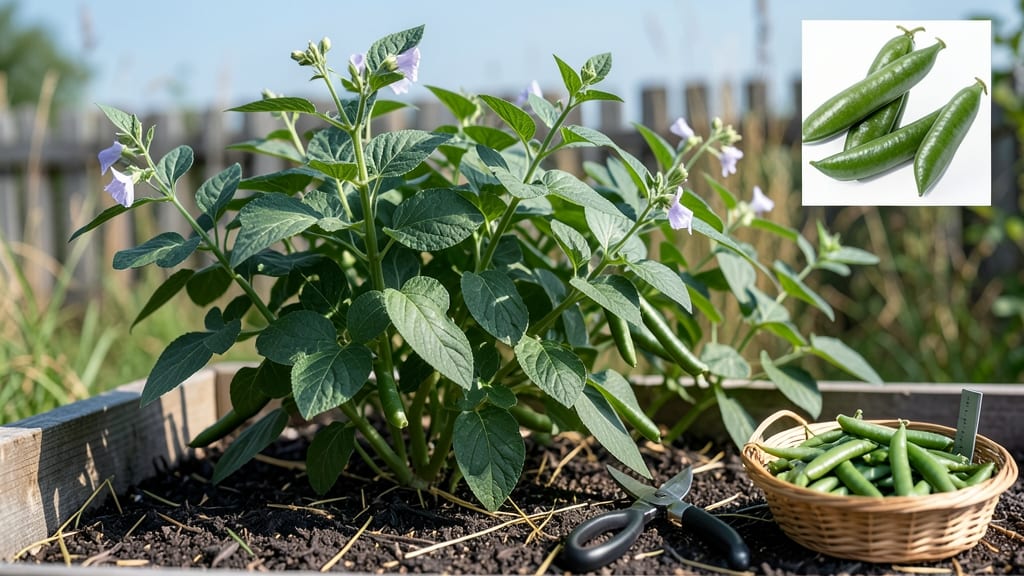
Harvest bush beans when pods are 4-6 inches long and snap crisply at the stem—any later and you’ll end up with tough, stringy pods that taste like disappointment.
Picture this: you’ve been waiting 50 days since planting, and those 🌱 plants are finally covered in pods. But here’s the catch—if you wait just a few more days, those same beans turn woody and lose their sweetness.
The secret? Knowing the three tactile tests that tell you “now” is the moment to pick.
Most gardeners think timing is about days since planting, but the truth is, heat, sunlight, and even your specific variety can shift that window. A 60°F soil start in Zone 6a might mean harvests by early June, while a late spring could push it into July.
The good news? You don’t need a calendar—just your fingers and a little patience.
In this guide, I’ll walk you through how to check for the perfect pod—no guesswork, no wasted harvests. You’ll learn the exact signs to look for, what happens if you’re a day too early or late, and how to keep your plants producing all summer long.
3 Tactile tests to determine perfect bush bean harvest time
Harvesting bush beans at the right moment transforms your garden into a flavor factory. The difference between tender, sweet pods and woody, stringy messes often comes down to simple touch-based checks. These three hands-on tests let you feel your way to peak harvest time without guessing.
First, understand that bush beans mature quickly—usually within 50-60 days from planting. But timing isn't just about days; it's about physical cues that tell you when to grab your pruners or scissors.
Skip these tests, and you might end up with pods that are either underdeveloped or over-matured, both of which ruin the harvest.
🌱 3 Tactile Tests for Perfect Bush Bean Harvest
- Pod Size Comparison: Compare pods to a 2-inch ruler. Ideal pods measure 4-6 inches long—about the length of your palm. Smaller pods are underripe; larger ones are over-mature.
- Stem Snap Test: Gently bend a pod sideways. If it snaps cleanly with a slight crack, it's ready. If it bends without breaking, wait 1-2 days. If it resists snapping, it's past prime.
- Seed Visibility Check: Hold a pod up to light. Seeds should be visible but not fully enlarged. If seeds are tiny dots, the pod is too young. If seeds fill the pod, you've waited too long.
Start with the pod size comparison because it’s the easiest way to gauge readiness. Hold a pod next to your thumb and index finger—if it spans from your knuckle to fingertip, it’s likely ready.
This method works best in the morning hours when pods are firmest after dew has evaporated.
Next, try the stem snap test to confirm tenderness. The clean snap indicates the pod’s cell structure is at its peak, delivering that signature crunch when cooked. If pods feel leathery or hollow, they’ve passed their prime and will taste starchy and bland.
For a deeper check, use the seed visibility test. Shine a flashlight through the pod—you should see small, defined seeds but not a fully developed row. Over-mature beans have large, plump seeds that dominate the pod, making it fibrous and tough.
This test is especially useful for heirloom varieties, which often mature unevenly.
If you harvest too early, your pods will be watery and bland, lacking the sweetness that develops as they mature. But waiting too long turns them into woody sticks with shriveled seeds. The key is consistency—check pods every 2-3 days once they start forming.
Pro tip: Use a small harvest basket lined with a towel to collect pods. This keeps them organized and prevents bruising. Store harvested beans in the fridge crisper drawer for up to 5 days to maintain freshness. For longer storage, blanch and freeze them within 24 hours of picking.
Remember, bush beans thrive on attention. The more you harvest, the more your plants produce. By mastering these three tactile tests, you’ll enjoy a steady supply of fresh, flavorful beans all season long—no guesswork required.
How long does it take for bush beans to reach harvest readiness?
Most bush bean varieties burst into harvest readiness between 45 and 60 days after planting, but this window shifts dramatically based on your climate zone and variety.
In my Zone 6a garden, I’ve seen early varieties like 'Blue Lake' ready in just 50 days when soil stays warm, while slower growers like 'Contender' might take closer to 60 days in cooler springs. The key? Start counting from when your seeds sprout—not when you plant them.
Don’t rely solely on days, though. Temperature plays a huge role—beans grow fastest when soil stays above 60°F (15°C). In hotter Zone 8+ areas, you might harvest as early as 40 days, while northern gardeners could wait until 65 days in cooler seasons.
Even a 10°F (5°C) temperature drop can stall growth by a week or more.
🌱
| Variety Type | Days to Harvest | Ideal Climate | Harvest Window |
|---|---|---|---|
| Early Maturing (e.g., 'Blue Lake') | 45-50 days | Zones 6-10 | June-July |
| Standard (e.g., 'Contender') | 50-55 days | Zones 5-9 | July-August |
| Late Varieties (e.g., 'Tendercrop') | 55-60 days | Zones 4-8 | August-September |
| Heat-Tolerant (e.g., 'Hystyle') | 40-45 days | Zones 8-11 | May-June or Sept-Oct |
Sunlight also speeds up the process. My beans in a south-facing raised bed with 8+ hours of sun hit harvest readiness 10 days faster than those in partial shade. If you’re growing in containers or urban gardens with limited sun, expect to add 5-7 extra days to your timeline.
And here’s a pro tip: if your plants start flowering but pods take longer to form, they might need more phosphorus-rich fertilizer.
For late-season gardeners, don’t panic if your beans take longer. I’ve extended harvests by 2 weeks in cool summers by using row covers to trap heat. Just watch for first frost warnings—once temperatures drop below 50°F (10°C), growth slows dramatically.
In my experience, beans planted by July 15th in Zone 6a rarely mature before frost, so I focus on earlier plantings for reliable harvests.
Remember, frequent harvesting (every 2-3 days) actually speeds up future production. When you pick ripe pods, the plant redirects energy to new flowers, often bringing in a second harvest wave 2-3 weeks later.
This is why my June plantings sometimes yield beans until late August—the more you harvest, the more the plant gives back.
🌿