
How To
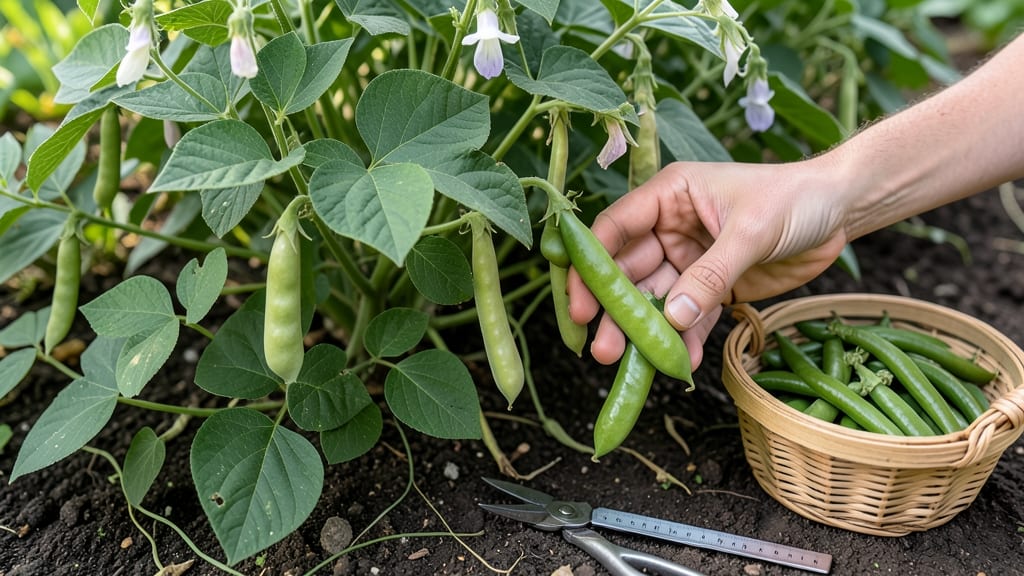
Harvesting beans at the right time means the difference between tender, crisp pods and tough, stringy disappointment — and the key is knowing when those pods are ready.
Imagine biting into a fresh green bean 🌱 that snaps cleanly between your fingers, bursting with sweet flavor. That perfect moment is fleeting: wait too long, and you’re left with leathery pods or even dried-up beans.
The trick? Watching for three simple cues: pod size, color, and a little test that takes less than a second.
Most gardeners wait until beans reach 4-6 inches long and turn a deep, vibrant green — but that’s just the start. The real secret lies in the snap test, where a firm bend should make the pod break cleanly, not bend like a rubber band.
Skip this step, and you might miss the harvest window entirely, especially in Zone 6a where summer heat speeds up maturity.
In this guide, I’ll walk you through the exact signs to look for, the best times of day to harvest (hint: mornings win), and how to extend your harvest season by avoiding common mistakes.
Whether you’re growing bush beans or climbing varieties, these tips will help you turn your garden into a crunchy, flavorful feast.
How to test green beans for harvest readiness: the snap test & size guide
Harvesting green beans at the right moment transforms your garden into a crisp, flavorful feast. The key? Timing based on pod size, seed development, and the legendary snap test. Overripe beans turn tough and stringy, while underripe ones lack sweetness—neither is ideal for your dinner plate.
Most green bean varieties reach peak harvest readiness between 50 to 70 days after planting, but visual cues matter more than calendar dates. Focus on three critical factors: pod length (3-6 inches), seed visibility, and texture.
These clues ensure you pick beans when they’re tender, sweet, and packed with flavor.
Why size matters: Pods shorter than 3 inches are still developing, while those over 6 inches start hardening. Aim for pods that fill out your palm—this is the sweet spot for both texture and taste. Varieties like Blue Lake or Kentucky Wonder thrive in this range.
Next, peek inside the pod: seeds should be visible but not plump. If seeds bulge or turn dark, the bean has passed its prime. This is your last chance to harvest before the pod toughens.
For bush beans, check pods every 2-3 days; pole beans may need daily checks during peak production.
| Harvest Stage | Pod Size | Seed Status | Texture Test | Action |
|---|---|---|---|---|
| Too Early | Under 3 inches | Barely visible | Soft, flexible | Wait 2-3 days |
| Perfect Harvest | 3-6 inches | Visible but flat | Firm, snaps cleanly | Pick immediately |
| Overripe | Over 6 inches | Plump, dark | Tough, fibrous | Harvest for seeds |
The snap test is your foolproof way to check tenderness. Hold a pod near the stem and gently bend it—if it snaps cleanly with a slight crack, it’s ready. A pod that bends without snapping needs more time, while one that resists is past its prime.
This test works for both bush and pole beans, though pole varieties often require more frequent checks.
Color consistency is another clue: deep, even green signals maturity, while pale or mottled pods may indicate stress or disease. Some heirloom varieties like Romano beans develop a yellowish tint at maturity—check your variety’s description to avoid confusion. Always harvest in the morning after dew dries for the crispest texture.
For continuous harvests, pick pods every 2-3 days during peak season. This encourages plants to produce more beans and prevents overripening. Use clean, sharp scissors or pruners to avoid damaging the plant. Never pull pods—this can uproot the plant or leave behind disease-prone stubs.
If you miss the window, don’t despair! Overripe green beans can still be used for soups, stews, or dried beans. But for fresh eating, timing is everything. Store freshly picked beans in the fridge for up to 5 days or blanch and freeze them to preserve crispness.
A well-timed harvest means your garden will keep producing for weeks, not days.
Pro tip: Label your plants if growing multiple varieties, as harvest times can vary. For example, yard-long beans may take longer to reach ideal size. Keep a small notebook nearby to track which plants are ready—your future self (and dinner guests) will thank you!
🌱
Best time of day & seasonal harvest windows for maximum yield
Timing your green bean harvest isn't just about picking pods—it's about capturing their peak flavor and texture. Morning harvests yield the crispest, sweetest beans because cooler temperatures preserve their moisture and natural sugars.
If you miss morning, aim for late afternoon when pods have fully warmed but haven't lost their snap. Avoid harvesting after midday heat, as beans can become tough and bitter from stress.
Seasonal timing varies dramatically between bush beans and pole beans. Bush varieties like 'Blue Lake' produce all their pods at once over 2-3 weeks in late summer, while pole beans like 'Kentucky Wonder' give you a prolonged harvest from midsummer to fall.
In cooler climates (Zones 3-5), start harvesting in July, while warmer regions (Zones 7+) can extend harvests into October with proper care.
Climate plays a surprising role in bean maturity. In hot, dry regions, beans mature 2-3 weeks faster but develop bitter flavors if harvested too early. Use shade cloth during peak heat to slow ripening and maintain sweetness.
Conversely, in cool, cloudy summers, beans take longer to ripen—sometimes up to 80 days—so extend your planting window by 2-3 weeks for a staggered harvest.
Pro tip: Harvest every 2-3 days regardless of variety to prevent overcrowding, which stresses plants and reduces yield. When pods crowd the vine, they compete for nutrients, leading to smaller, tougher beans.
Always use clean pruners or scissors to avoid damaging the main stem, and harvest from the bottom up to encourage upward growth.
Store freshly harvested beans in the fridge for 5-7 days in a paper towel-lined container to preserve crispness. For long-term storage, blanch and freeze pods within 24 hours of harvest. This stops enzyme activity that causes texture breakdown and flavor loss over time.
🌱