
Picking
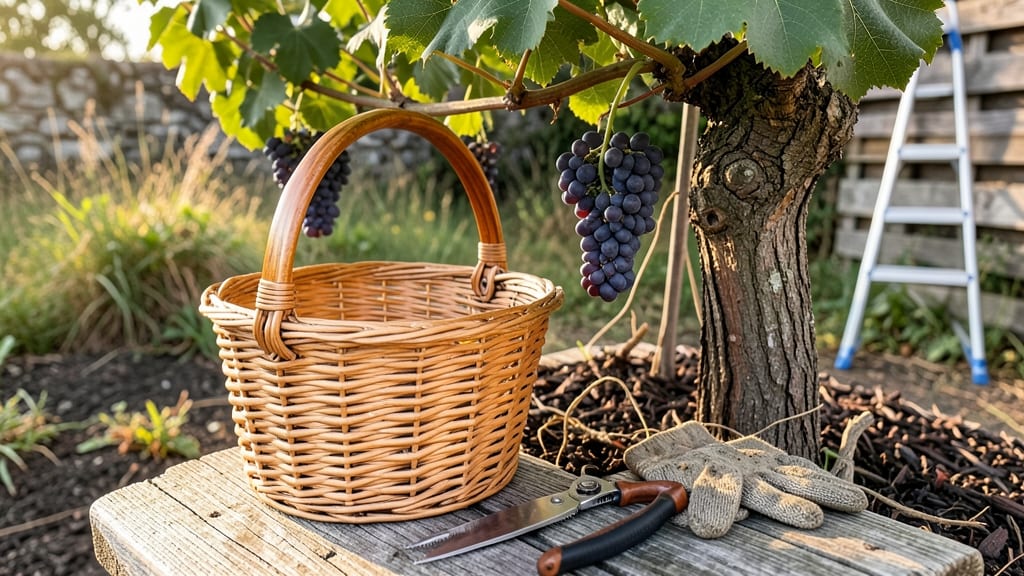
Harvesting muscadine grapes at the right time ensures sweet, flavorful fruit while avoiding rot and pests—but knowing exactly when to pick can be tricky.
Timing your muscadine 🍇 harvest perfectly is the key to peak flavor and disease resistance. Too early, and your fruit will taste tart; too late, and you risk rot or pests ruining your harvest. I’ve learned the hard way that even a week off can make all the difference.
In USDA Zones 7-9, where these grapes thrive, the harvest window typically falls between late August and early October. But climate, variety, and even your local microclimate can shift that timeline by weeks.
Below, I’ll break down the color, sugar, and firmness clues to watch for, plus how to adjust for your specific growing conditions.
You’ll discover how to test ripeness with a simple Brix reading, when to expect harvest in your zone, and the best tools to pick without damaging the vines. Let’s get your muscadine grapes at their sweetest!

How to determine the best muscadine grapes harvest time by color and Brix level
Timing your muscadine grapes harvest is an art and science that balances flavor development with disease resistance. Muscadines ripen later than table grapes, typically between late August and October, but the exact moment depends on color intensity, berry firmness, and sugar content.
Waiting too long risks rot, while harvesting too early delivers tart, underripe fruit. Let’s break down the key indicators to nail your harvest window.
Start by examining the berry color, which is your first visual cue. Mature muscadines transition from green to deep purple or black hues, depending on the variety. Look for uniform coloration across the cluster—no lingering green "shoulders" on the berries.
Varieties like Scuppernong or Carlos will darken dramatically, while others may stay lighter purple. This color shift signals the grape’s sugar accumulation has peaked.
Next, test berry firmness by gently squeezing a grape between your thumb and forefinger. A ripe muscadine should yield slightly but still feel firm—like a ripe plum—not mushy or overly soft. If the skin doesn’t give at all, the grapes need more time on the vine.
Overripe grapes become spongy and prone to cracking, inviting pests and fungal infections like black rot or bird peck. Aim for that sweet spot where the grape detaches easily with a slight twist.
Brix level is the gold standard for determining sweetness and ripeness. This measurement indicates the sugar concentration in the grape juice, with 18-24° Brix being ideal for muscadines. Lower than 18° Brix means the grapes are tart, while readings above 24° Brix suggest overripeness. To test, use a handheld refractometer: crush a grape, place the juice on the prism, and read the Brix value. For best results, test multiple clusters—sugar levels can vary across the vine.
| Maturity Indicator | Ready for Harvest | Not Ready | Action Step |
|---|---|---|---|
| Color | Deep purple/black, no green | Green or patchy color | Wait 3-5 days |
| Berry Firmness | Yields slightly to pressure | Firm or mushy | Test Brix level |
| Brix Level | 18-24° Brix | Below 18° Brix | Wait 5-7 days |
| Seed Color | Dark brown/black | Light tan or white | Harvest soon |
| Detachment | Easy twist-off | Tightly attached | Monitor daily |
Don’t overlook the seed color as a secondary indicator. Inside a ripe muscadine, the seeds should be dark brown or black. Light-colored seeds signal underripe fruit.
This trick works best for seedless varieties or when you’re unsure about other indicators. Pair it with Brix testing for the most accurate results.
Harvesting at the right Brix level isn’t just about sweetness—it’s also about disease resistance. Grapes with higher sugar content are less susceptible to fungal infections like downy mildew, which thrives in moist conditions.
If your local forecast calls for rain after harvest, prioritize picking grapes with 20°+ Brix to reduce spoilage risks. Store harvested grapes in a cool, dry place (50-60°F) to slow ripening and extend shelf life.
Regional climate plays a role in harvest timing. In cooler zones (USDA 7-8), muscadines may ripen earlier (late August), while warmer zones (USDA 9-10) could see harvests stretching into October.
Keep a harvest journal to track yearly variations in your specific microclimate. Note when your vines typically reach peak ripeness and adjust future harvests accordingly.
Pro tip: Harvest on a dry, sunny morning to minimize moisture-related issues. Use clean pruning shears or sharp scissors to cut clusters, leaving a small stem attached. Avoid pulling grapes off the vine, as this can damage the plant.
Once harvested, store grapes in single-layer trays to prevent bruising and improve airflow. This simple step reduces rot and keeps your muscadines fresh for weeks.
If you’re unsure whether your grapes are ready, taste
Critical mistakes to avoid when harvesting muscadine grapes (and how to fix them)
Harvesting muscadine grapes at the wrong time can turn your sweet reward into a tart disappointment. I’ve seen green, unripe grapes taste like overgrown raisins and overripe fruit become mushy overnight.
The key is balancing flavor, texture, and disease resistance—and avoiding these common mistakes will help you nail it every time.
One of the biggest errors is harvesting based on calendar dates alone. Just because it’s September doesn’t mean your grapes are ready—climate, variety, and vine health all play a role.
For example, the ‘Scuppernong’ variety ripens later than ‘Carlos’, sometimes by weeks. Always check ripeness indicators instead of guessing.
Another frequent mistake is using improper tools that damage the vines or fruit. Sharp pruners or shears can crush grapes, while dull tools tear the skin, inviting rot. I recommend using harvesting hooks or scissors designed for grapes to minimize bruising and preserve quality.
Here’s the most critical mistake: waiting until the grapes are too soft. Overripe muscadines split easily and attract pests like birds and insects. The moment they’re firm but yielding to gentle pressure, it’s time to pick. If you miss this window, you risk losing your entire crop to spoilage.
Harvest Too Late = Rot Risk
Overripe muscadines develop soft spots and cracks, making them prime targets for fungal diseases like botrytis. Once infected, the entire cluster can spoil within 24-48 hours. To fix this, harvest in morning hours when temperatures are cooler, and process or store grapes immediately.
🌱 Pro Tip: If you must delay harvesting, pick firm but ripe grapes and store them at 32-34°F to slow ripening.
Many gardeners also overlook the importance of post-harvest care. Muscadines are delicate and bruise easily, so handle them with care. Place harvested clusters in shallow containers lined with paper towels to absorb moisture and prevent mold. Avoid stacking grapes—this traps heat and speeds up spoilage.
Finally, don’t ignore pest pressure during harvest. Birds and insects are drawn to ripe fruit, so cover clusters with lightweight netting if harvesting will take more than a few hours. I’ve lost entire harvests to starlings and wasps—a frustrating but avoidable mistake with the right precautions.
By avoiding these pitfalls, you’ll enjoy sweeter, longer-lasting muscadines that stay fresh for weeks. Next time, trust your senses over the calendar, use the right tools, and harvest with care for the best results. Your taste buds will thank you!