
Vegetables
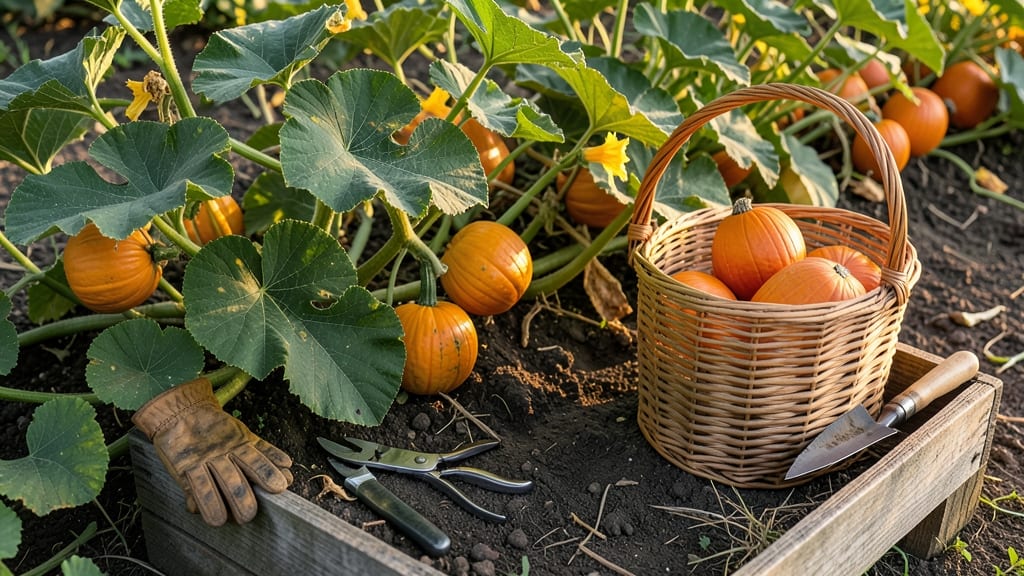
Harvesting pumpkins at the right time—when vines die back and skins harden—can turn your garden into a goldmine of flavor and texture. That perfect moment arrives in late September to October, but miss it, and you risk a mushy mess instead of a prize-worthy 🎃.
Picture this: you’ve nurtured your pumpkins all summer, and now the vines are curling up like old garden hoses, while the rind turns from shiny to dull. That’s your cue—ignore it, and you’ll either pick them too early (watery, bland) or too late (rotting on the vine).
In USDA Zone 6a, where frost sneaks up by mid-October, timing is critical. You’ll learn how to spot the exact signs—a stem drying out, a rind that’s hard as a rock, and a color that’s deepened to its full potential.
Below, I’ll walk you through the step-by-step checks to ensure your pumpkins are ready, plus what to do once they’re off the vine to keep them fresh for weeks. No more guessing—just perfect harvests every time.

How to identify the perfect pumpkin harvest time by vines and skin
Harvesting pumpkins at the right moment transforms your garden into a treasure trove of perfectly ripe fruits. The key lies in observing three critical signs: vine condition, skin texture, and stem changes.
Miss these cues, and you risk underripe pumpkins that rot quickly or overripe ones that turn mushy. Let’s break down how to spot these signs like a pro.
First, watch for vine dieback, the plant’s natural signal that it’s redirecting energy to the fruit. Healthy vines should start yellowing and wilting near the pumpkin’s stem, eventually drying out completely.
This process typically begins 2-3 weeks before peak harvest time. If you see green vines still thriving, your pumpkins need more time on the vine.
Next, focus on the skin’s texture. A ripe pumpkin’s rind transitions from shiny and smooth to matte and dull, almost leathery to the touch. Run your thumb over the skin—if it feels firm and doesn’t dent easily, it’s ready.
Avoid harvesting when the skin still feels soft or slightly waxy, as this indicates immature fruit.
Here’s a quick visual guide to help you spot the perfect harvest time at a glance:
| Sign | What to Look For | Action |
|---|---|---|
| Vine Condition | Yellowing, wilting, or dried near fruit | Check skin hardness next |
| Skin Texture | Matte, dull, and firm (no shine) | Test with thumbnail method |
| Stem Color | Brown and papery (not green) | Harvest within 2-3 days |
| Fruit Weight | Feels heavy for its size | Ready for curing |
The thumbnail test is my go-to trick for confirming ripeness. Press your thumbnail into the pumpkin’s skin near the stem. If it doesn’t puncture easily and leaves a slight indentation, the pumpkin is perfect.
A soft spot or deep puncture means it’s not ready yet. This method works best on sugar pumpkins and smaller varieties like Jack Be Little.
Timing is everything, and harvesting too early is a common mistake. Underripe pumpkins lack sweetness, have thin flesh, and store poorly. On the flip side, waiting too long risks overripe fruit that’s prone to cracking or rotting.
For giant varieties like Atlantic Giant, monitor closely—they mature slower and need extra time on the vine.
Climate plays a role too. In warmer regions, pumpkins may ripen earlier (late August to September), while cooler areas like Zone 4 might see harvests stretching into October. Always check your local first frost date—pumpkins need 10-14 days of warm weather after ripening to cure properly.
Pro tip: Harvest on a dry, sunny day to prevent disease. Use a sharp pruning saw or shears to cut the stem, leaving a 3-inch stem attached. This helps the pumpkin cure faster and store longer. Avoid dragging pumpkins—handle them gently to prevent bruising.
If you’re unsure, err on the side of waiting. A pumpkin left too long on the vine won’t improve, but one harvested too soon might never reach its full potential. Keep an eye on those vines, skins, and stems, and you’ll nail the perfect harvest every time.
Now that you’ve mastered the art of spotting ripe pumpkins, your next challenge is curing and storing them properly. But that’s a story for another time—happy harvesting! 🎃
Best pumpkin varieties and their ideal harvest windows
Not all pumpkins ripen at the same time, and choosing the right variety can make or break your harvest schedule. Sugar pumpkins like Sugar Pie mature fastest, while giant varieties such as Atlantic Giant take nearly twice as long.
Climate also plays a role—cooler regions may need an extra 10-15 days to reach full maturity compared to warmer zones.
Understanding these differences ensures you don’t miss the optimal harvest window when vines yellow and skins harden. For example, carving pumpkins like Howden need slightly longer on the vine than pie pumpkins, but harvesting too late risks soft flesh. Let’s break down the key varieties and their timelines.
🌱 Comparison Table: Pumpkin Varieties and Harvest Windows
| Variety | Days to Maturity | Ideal Harvest Month | Storage Life | Climate Notes |
|---|---|---|---|---|
| Sugar Pie (e.g., Sugar Pie, Cinderella) | 75-85 days | Late September | 2-3 months | Fastest ripening; ideal for cooler climates |
| Carving (e.g., Howden, Jack-Be-Little) | 85-95 days | Early to mid-October | 3-4 months | Needs warm days; extend season with black plastic mulch |
| Giant (e.g., Atlantic Giant, Big Moon) | 100-120 days | Late October | 1-2 months | Longest growing season; plant early in warm zones |
| Miniature (e.g., Baby Boo, Munchkin) | 70-80 days | Early September | 1-2 months | Compact vines; great for containers or short seasons |
If you’re in a shorter growing season (like USDA Zone 4), opt for early-maturing varieties such as Sugar Pie or Baby Boo. These can be planted as soon as soil warms to 70°F and harvested before the first frost.
In warmer climates (Zones 8-10), giant varieties like Atlantic Giant thrive but may need row covers to protect from heat stress.
Pro tip: Track your pumpkin’s growth with a garden journal. Note when flowers appear (typically 45-55 days after planting) and when fruits form. This helps predict your harvest window more accurately.
For example, if flowers appear on June 15, expect fruits to mature by late August to early September for sugar pumpkins.
Harvesting at the right time isn’t just about avoiding mushy flesh—it also affects storage life. Pumpkins picked too early won’t ripen further and spoil faster, while those left too long risk rot or pest damage.
Aim to harvest when the stem dries out and the skin resists your thumbnail. This ensures maximum shelf life and sweetness for cooking or carving.
For long-term storage, cure your pumpkins for 7-10 days in a dry, shaded area before moving them to a cool (50-55°F) space. Sugar pumpkins store longest, while giant varieties may only last 1-2 months due to their thick rinds.
Plan ahead—your harvest timing directly impacts how long you’ll enjoy your pumpkins!